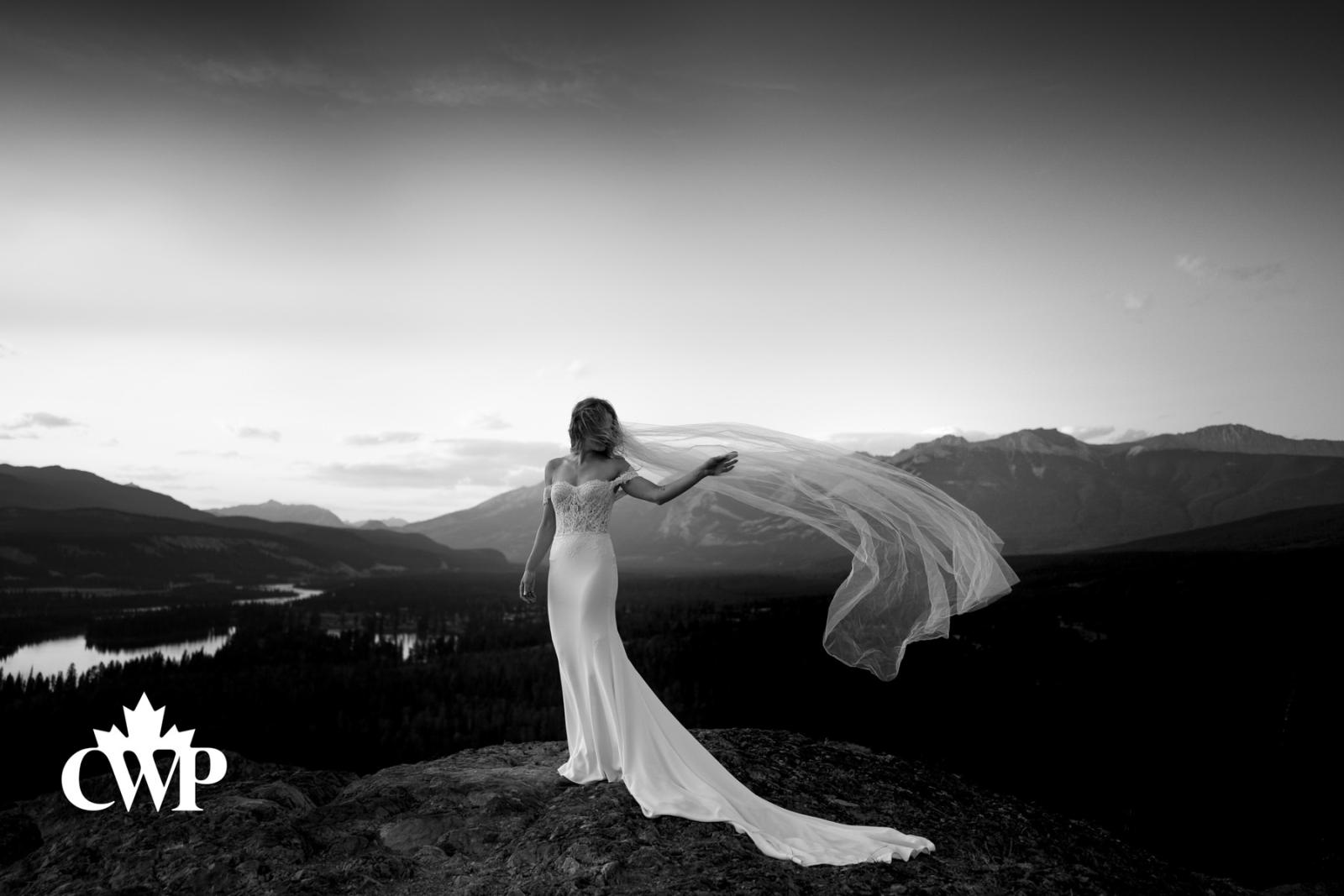
When you look at a photograph by Carey Nash, it often feels like nothing could have gone any other way. The light is clean. The moment is calm. The couple seems perfectly placed within the world around them—whether standing on a windswept ridge in Jasper, beneath the heavy, brooding skies of Scotland, or tucked into the complex geometry of an old European city.
But that sense of inevitability is earned. It is the result of twenty years spent navigating uncertainty—unpredictable weather, unfamiliar countries, crowded streets, and tight timelines. It comes from learning how to stay present when everything around you is in motion. Nash’s work doesn’t chase perfection; it waits for meaning.
In 2025, that approach reached a definitive peak. Not because Nash reinvented himself, but because he refined what he already knew. After two decades in photography, travel through more than eighty countries, and a career that began far from the traditional wedding world, he arrived at something simpler and harder to define: confidence without noise.
That perspective is what sets Carey Nash apart as the 2025 Canadian Wedding Photographer of the Year.
Carey recaps what it means to win this honour here.
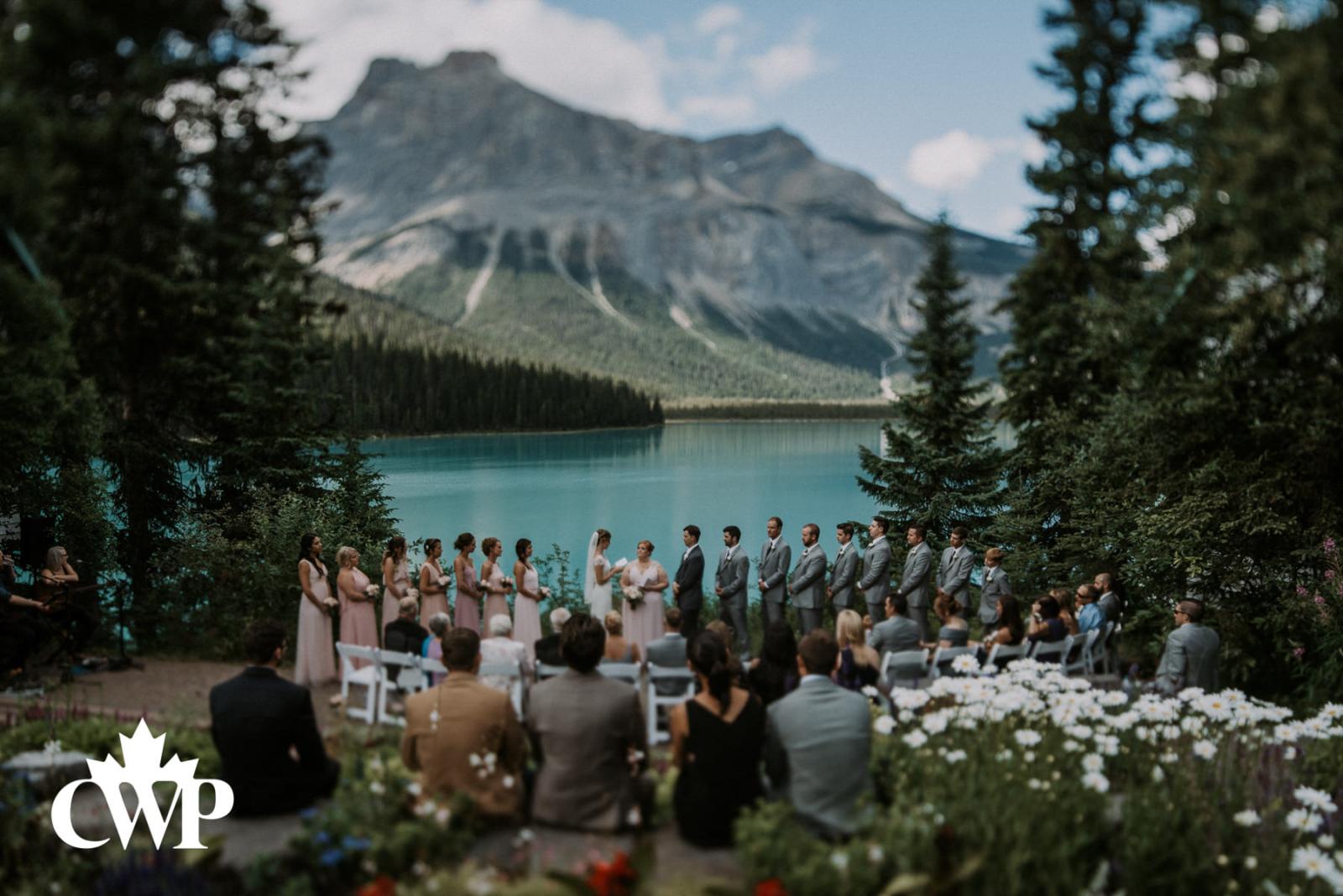
A Victory by Consensus
This title wasn't awarded based on a single viral image or social media following. It was earned through the rigour of the Canadian Wedding Photography Awards, where Nash achieved a staggering feat: 33 individual photos were awarded in 2025.
In an industry often driven by trends, this volume of recognition is rare. More importantly, these awards were decided by a vote of his peers—fellow professionals who understand the difference between a lucky shot and a crafted image. To have thirty-three distinct moments recognized by the industry’s best is a testament not just to artistic vision, but to a relentless consistency across diverse environments.
The Long Way Into Photography
Nash did not take a straight path into weddings. He grew up in Fort McMurray, far removed from the creative centres of the industry, and never imagined himself working in wedding studios or following a conventional artistic education. What he knew, even early on, was that staying put felt wrong.
Throughout his twenties, Nash traveled extensively through Asia and Europe, often for months at a time. He didn’t set out to become a photographer. He wanted to see the world, and photography became a way to make sense of it.
“I didn’t know I wanted to be a photographer,” he says. “I just knew I wanted to keep going.”
A pivotal journey through Myanmar and India in 2002 helped solidify that direction. Traveling alongside French artist Vincent Bousserez and Danish photographer Morten Germund, Nash learned how to translate instinct into images—how to notice light, gesture, and quiet tension, and how to commit to what he saw rather than second-guess it. He had always been drawn to beauty and obscurity. This was the moment he learned how to capture it.
Professional photography followed out of necessity as much as ambition. Early assignments—most memorably photographing Prince Philip on an airport tarmac—forced him to learn quickly that access is fleeting and mistakes are not forgiven. When the moment appears, you need to be ready.
That lesson still guides his work today.
Looking for more inspiration? Check out the Top 30 Wedding Photographers in Canada for 2025 and browse our other curated lists of the best talent in the country.
From Landscape to Feeling
Travel photography remains at the core of Nash’s approach. When he arrives at a wedding, he doesn’t see a timeline so much as a place—light patterns, weather systems, human flow. A storm isn’t a setback. Crowds aren’t an obstacle. They are variables to work with, not against.
Early in his career, that mindset came with ego. Nash wanted scale. He wanted drama. Couples were often placed inside vast landscapes, sometimes serving the image more than the other way around. The photos were impressive, but something was missing.
That changed gradually—and decisively. In his recent work, the environment still matters deeply, but it no longer dominates. The couple carries the weight of the frame. The setting supports the story rather than overpowering it.
This shift has also changed how Nash works on a wedding day. He prepares relentlessly—scouting locations days in advance, studying light—but once the day begins, he keeps things moving. A wedding day has limited energy. Nash protects it.
A Year of Clarity
In 2025, Nash deliberately reduced his workload to around 15–20 weddings. Fewer events, more focus. Clients no longer book him to recreate reference images or follow trends. They hire him because they trust his judgment.
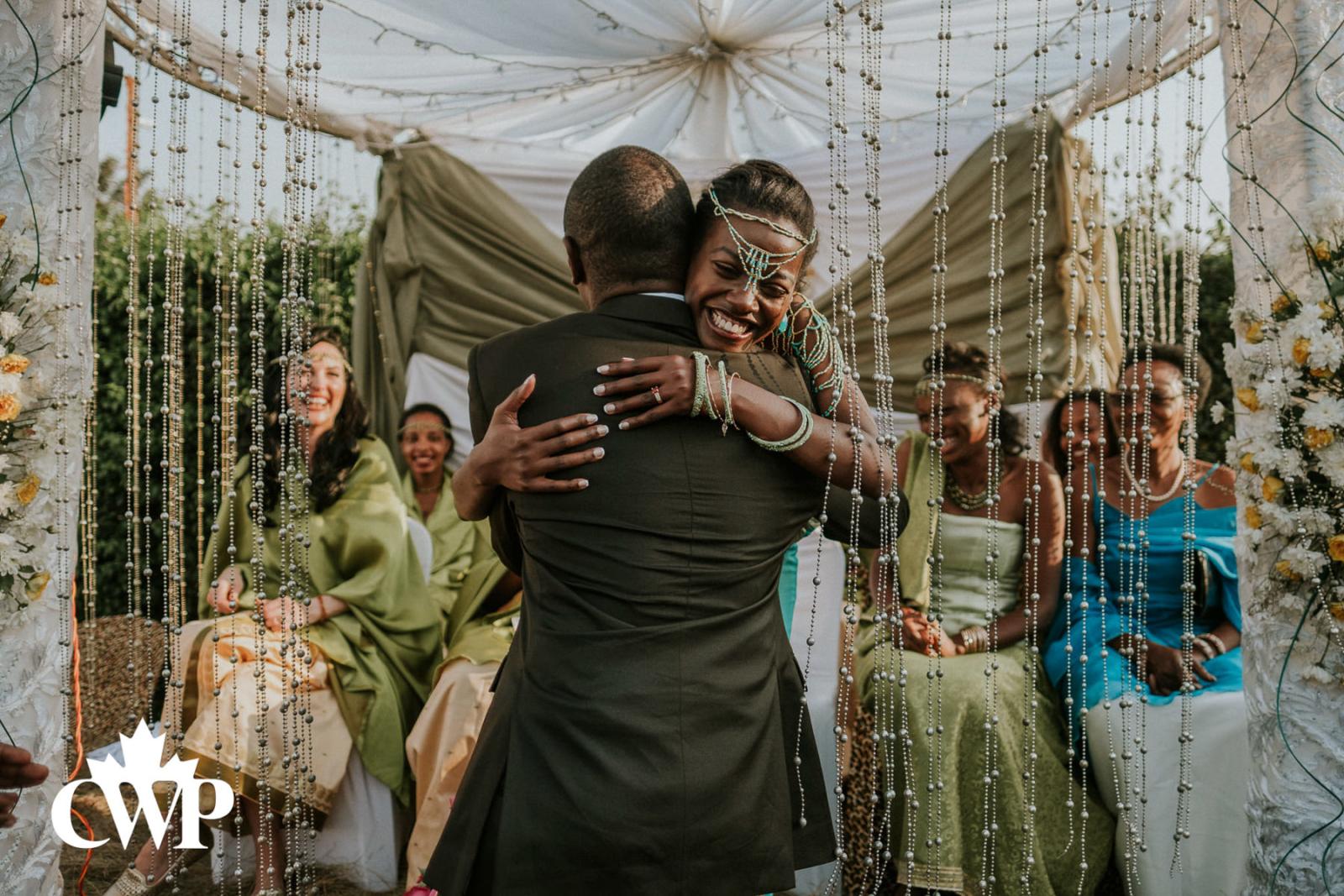
That trust shows in the work. Whether photographing a small celebration in Edmonton or a multi-day wedding in Uganda, the images feel patient and grounded. High contrast, strong composition, and emotional clarity run through all of it. There is no rush to impress—only an effort to observe honestly.
After years of constant travel, Nash has also found balance. He shoots more locally, choosing destination weddings carefully based on creative potential rather than novelty. Ironically, that stability has made the work feel more open. With nothing left to prove, he pays closer attention.
A Closer Look at Just Some of His Award-Winning Work
The following twelve images were among the 33 recognized by the Canadian Wedding Photography Awards in 2025. They represent a career’s worth of refinement—a collection of moments where Nash solved problems regarding weather, crowds, and timing with artistic grace.
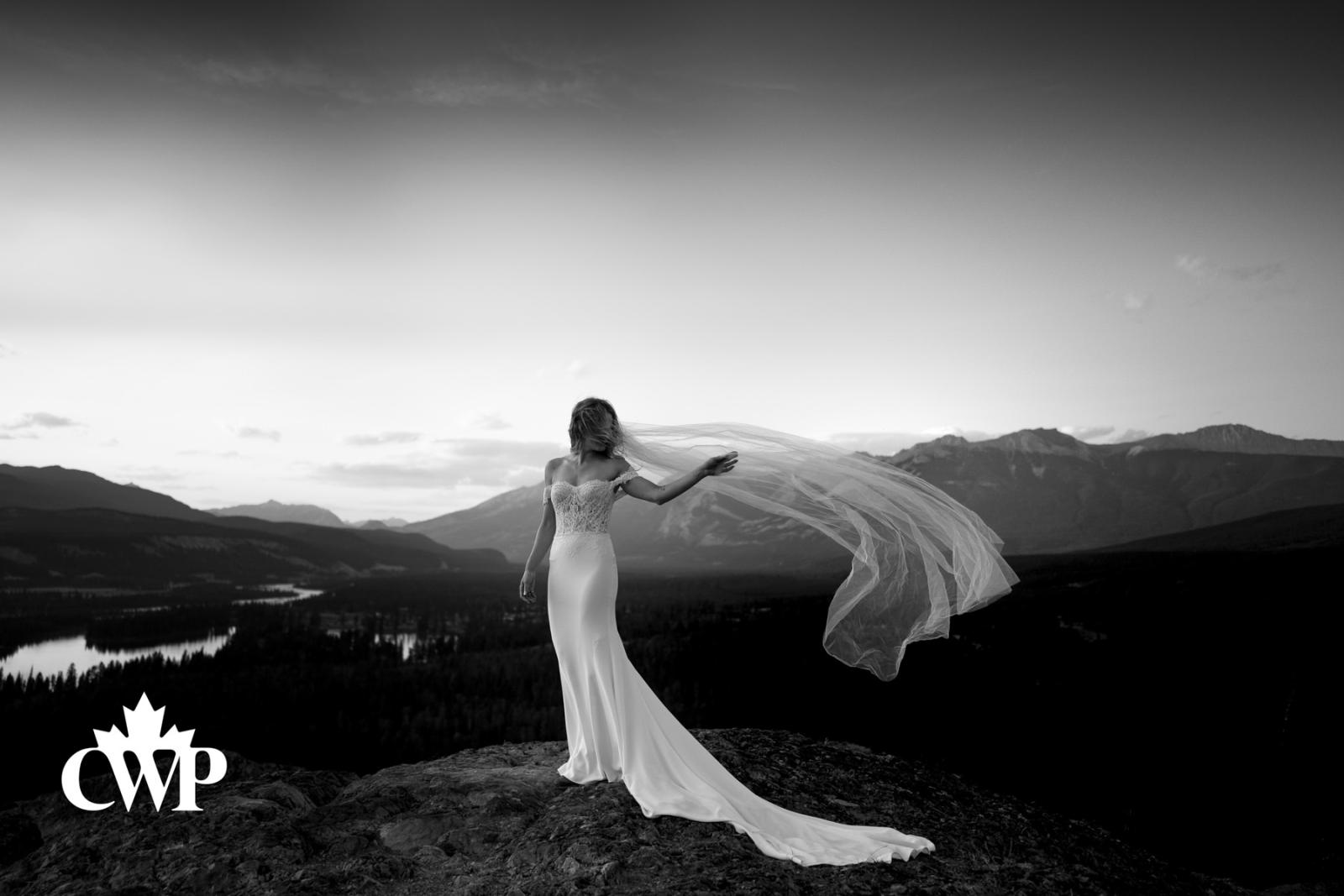
The Summit at Sunset (Jasper, Alberta) At the top of Old Fort Point, the wind whips a bride’s dress as the sun dips below the Rockies. The image looks effortless, but it required a steep, ten-minute hike in wedding boots and formal wear. Nash calls this spot "Sprinkle Mountain." He centres the subject in the frame, breaking traditional photography rules to give the bride a position of power. It is a perfect example of his ability to balance a massive landscape with a strong human connection.
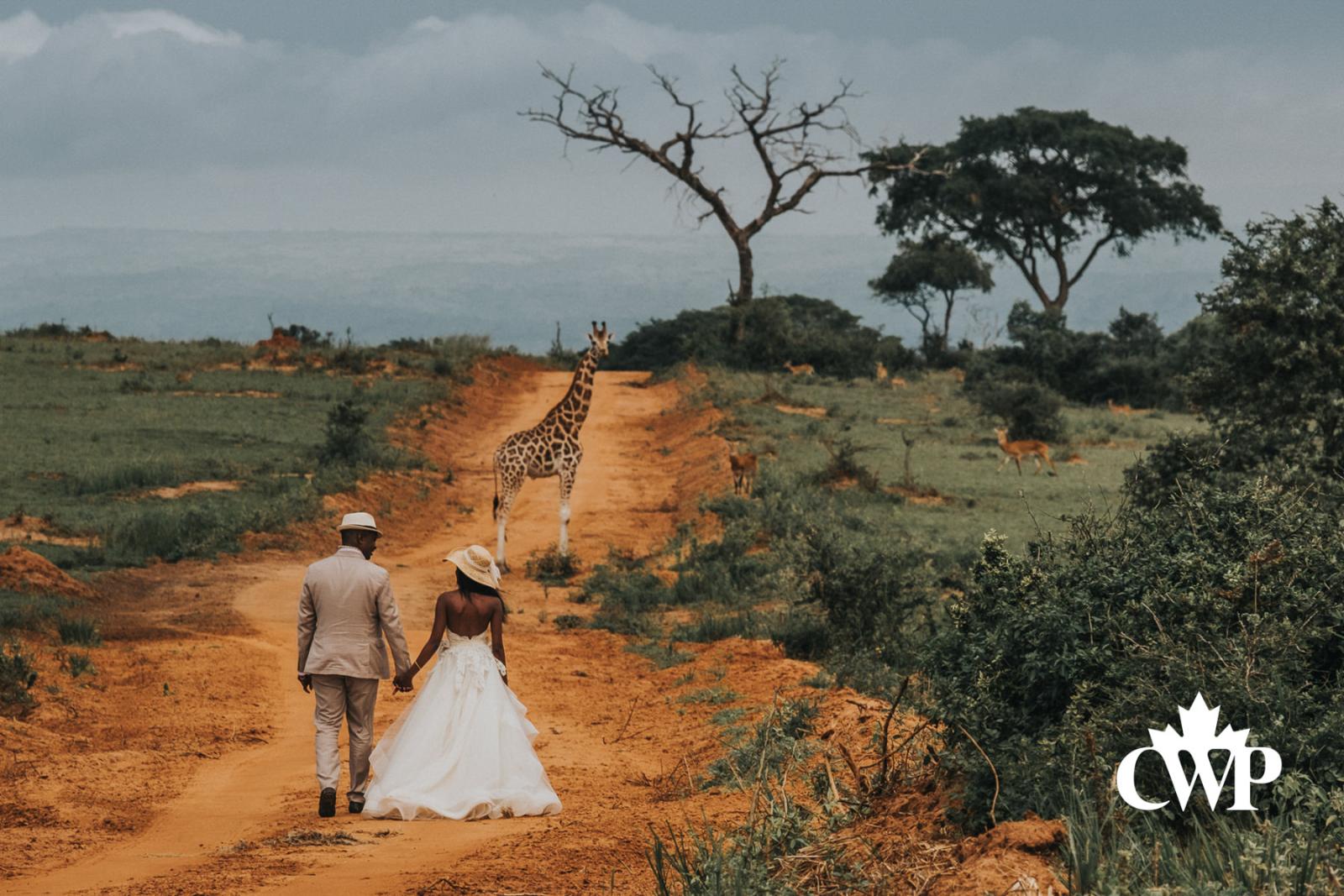
The Safari Interruption (Uganda) The bride had one request: a photo with a giraffe. The reality involved a bout of illness that left Nash feeling terrible in the back of a safari truck. Yet, when the animal finally crossed the red dirt road, instinct took over. Nash scrambled out, directed the couple to walk hand-in-hand, and captured a frame where the wildness of Africa meets the intimacy of a wedding walk. It is a photo born of sheer will.
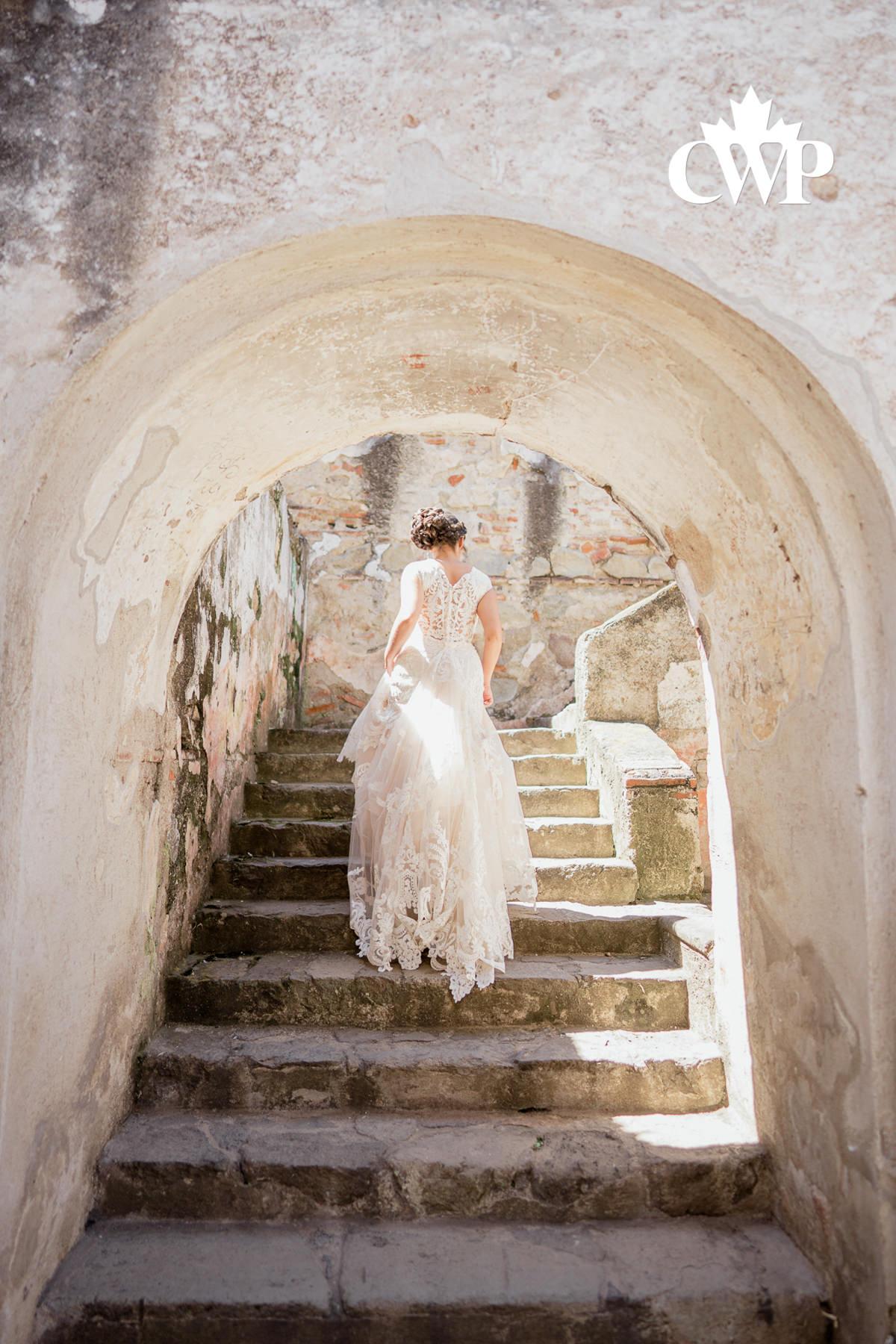
The Anonymous Ascent (Antigua, Guatemala) Shot in an old cathedral, the bride walks up a staircase, trailing her gown. Nash notes that while the bride knows it is her, the image has a certain anonymity that allows any viewer to project themselves into the frame. It is a perfect mix of documentary storytelling and fine art—a moment of transition captured with geometric precision just before the reception began.
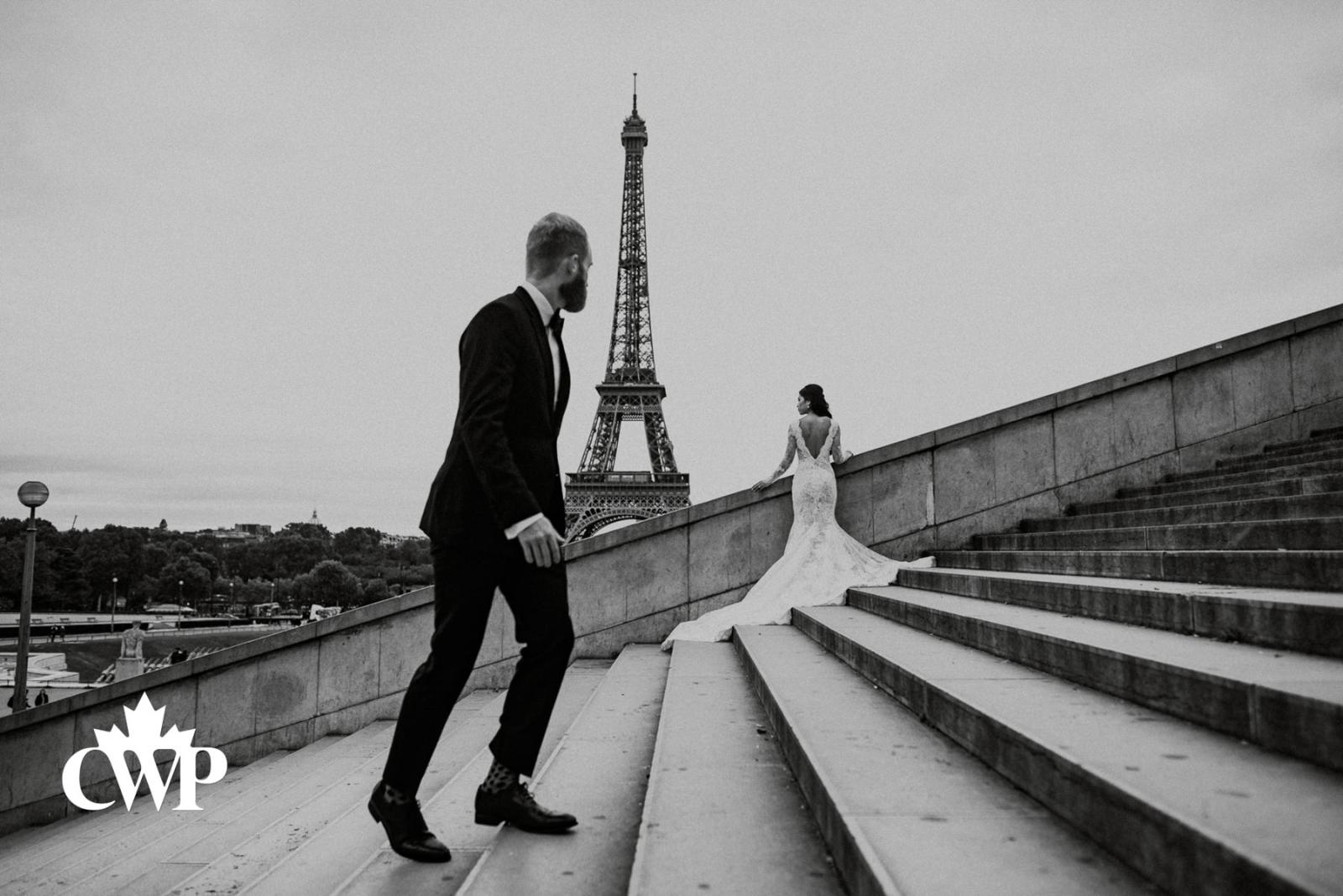
The Trocadero Staircase (Paris, France) In a city photographed millions of times a day, finding a unique angle is difficult. Arriving in the early morning to beat the crowds, Nash utilized the hard lines of the Trocadero architecture to frame the couple. He used a black and white edit to strip away the noise of the city, leaving only the interplay of shadow, stone, and affection.
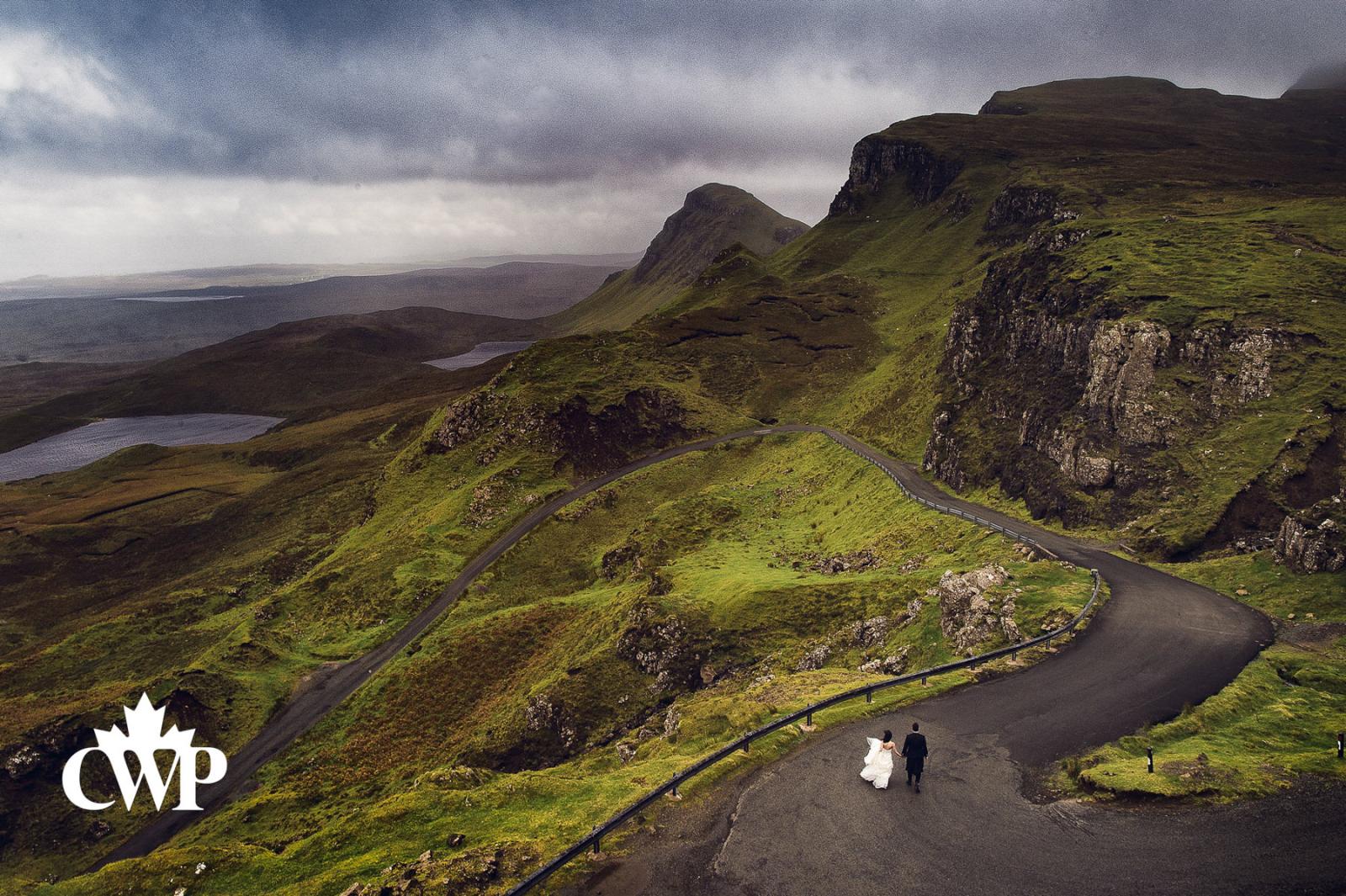
The Highland Rain (Isle of Skye, Scotland) While many photographers run for cover when the weather turns, Nash pushes forward. In this environmental portrait, the famous Scottish drizzle becomes a key part of the photo. The couple, small against the brooding green hills, are not hiding from the elements but existing within them. It captures the rugged romance of the location without hiding the reality of the cold, wet climate.
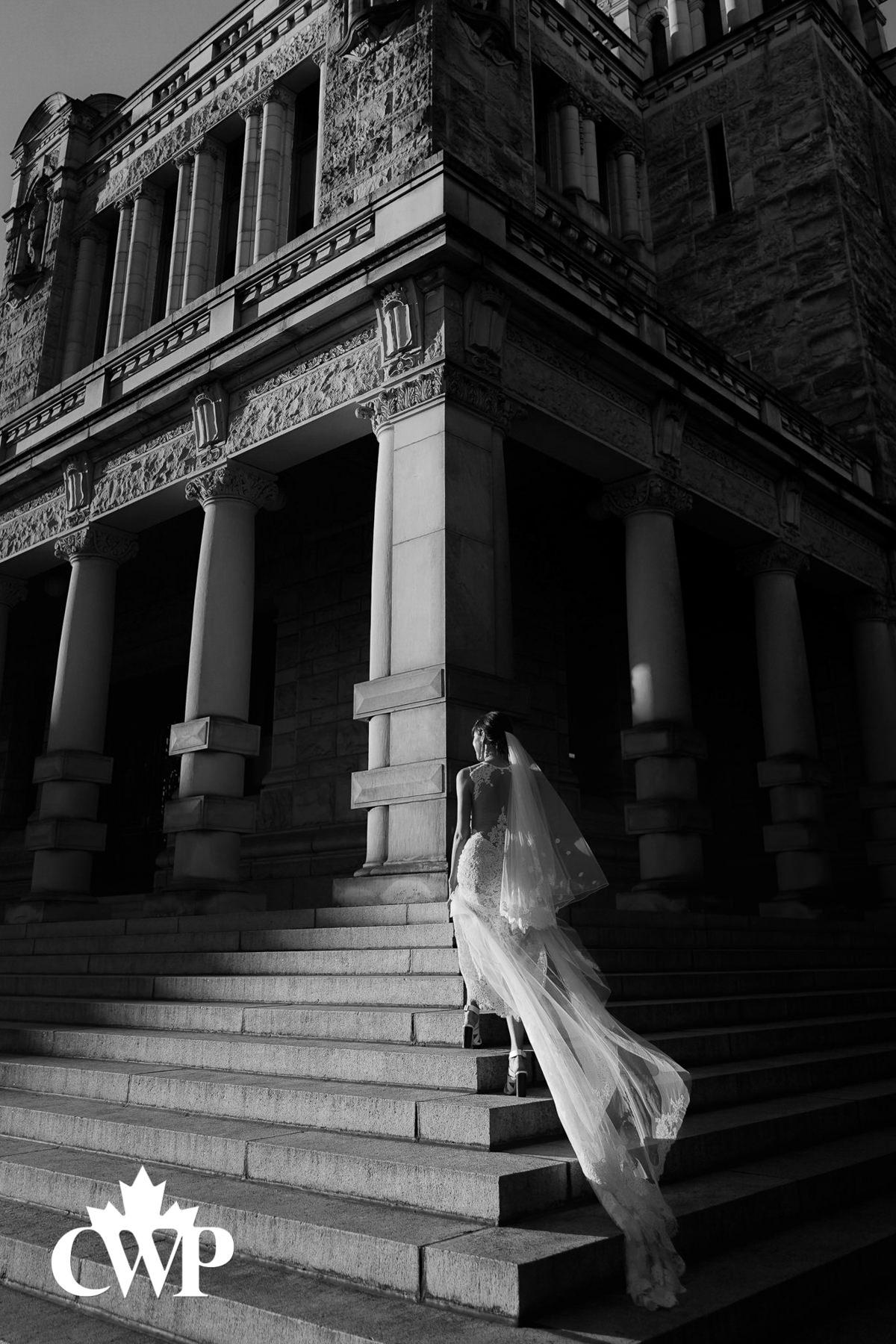
The Legislative Silhouette (Victoria, BC) Facing harsh, direct sunlight, Nash turned a lighting nightmare into a silhouette masterpiece. Using the heavy stone steps of the legislature building to block the glare, he caught the couple in the rim light. The wind caught the dress at the exact moment of exposure, creating a shape and movement that feels sculpted rather than captured.
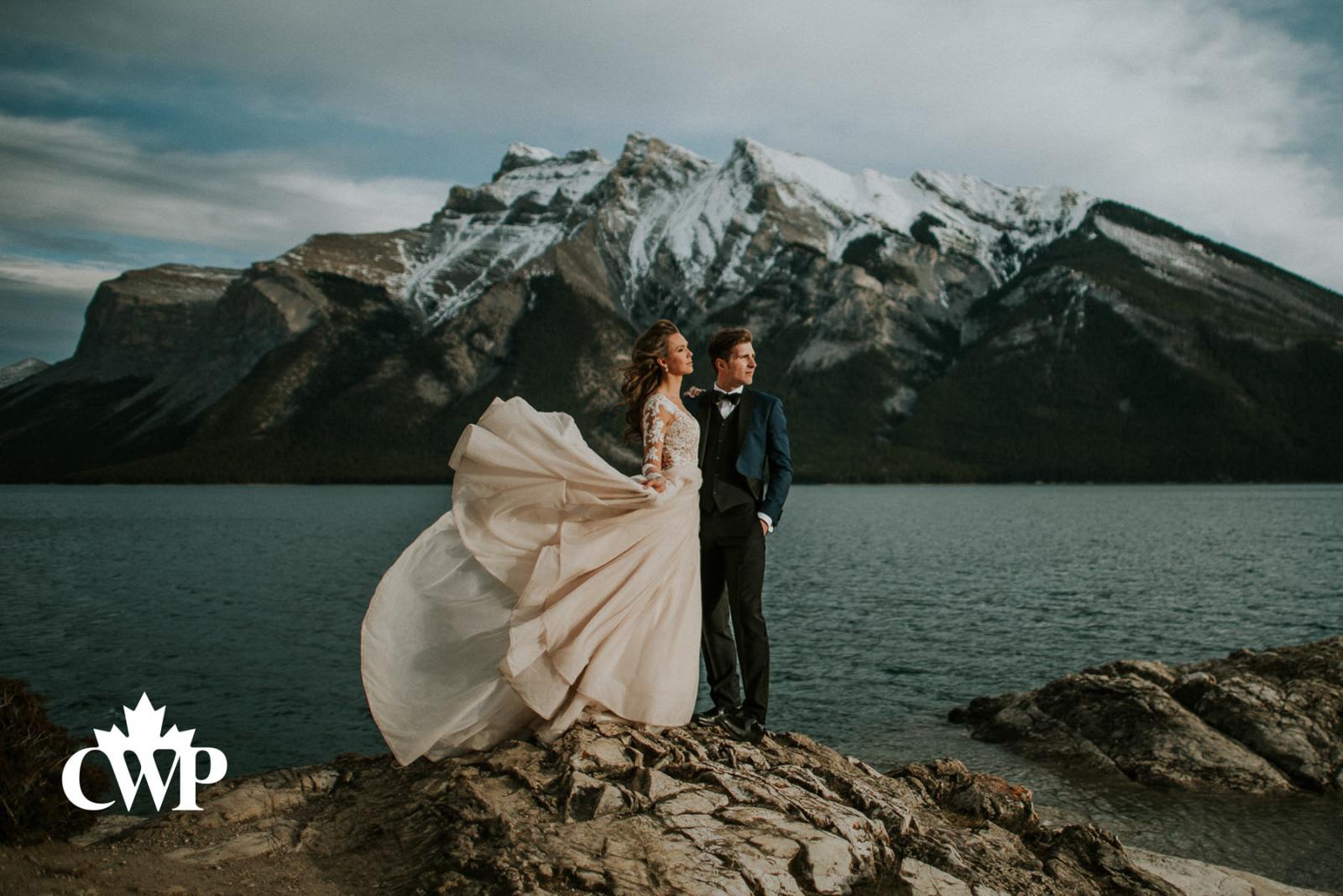
The Sun Break (Lake Minnewanka, Banff) Photography is often a waiting game. On an overcast day in Banff, Nash positioned the couple on a rock outcropping, gambling on the weather. The resulting image captures the fleeting second when the wind picked up and a shaft of sunlight pierced the clouds, illuminating the couple while the mountains remained in moody shadow. It is a scene that existed for only a few seconds.
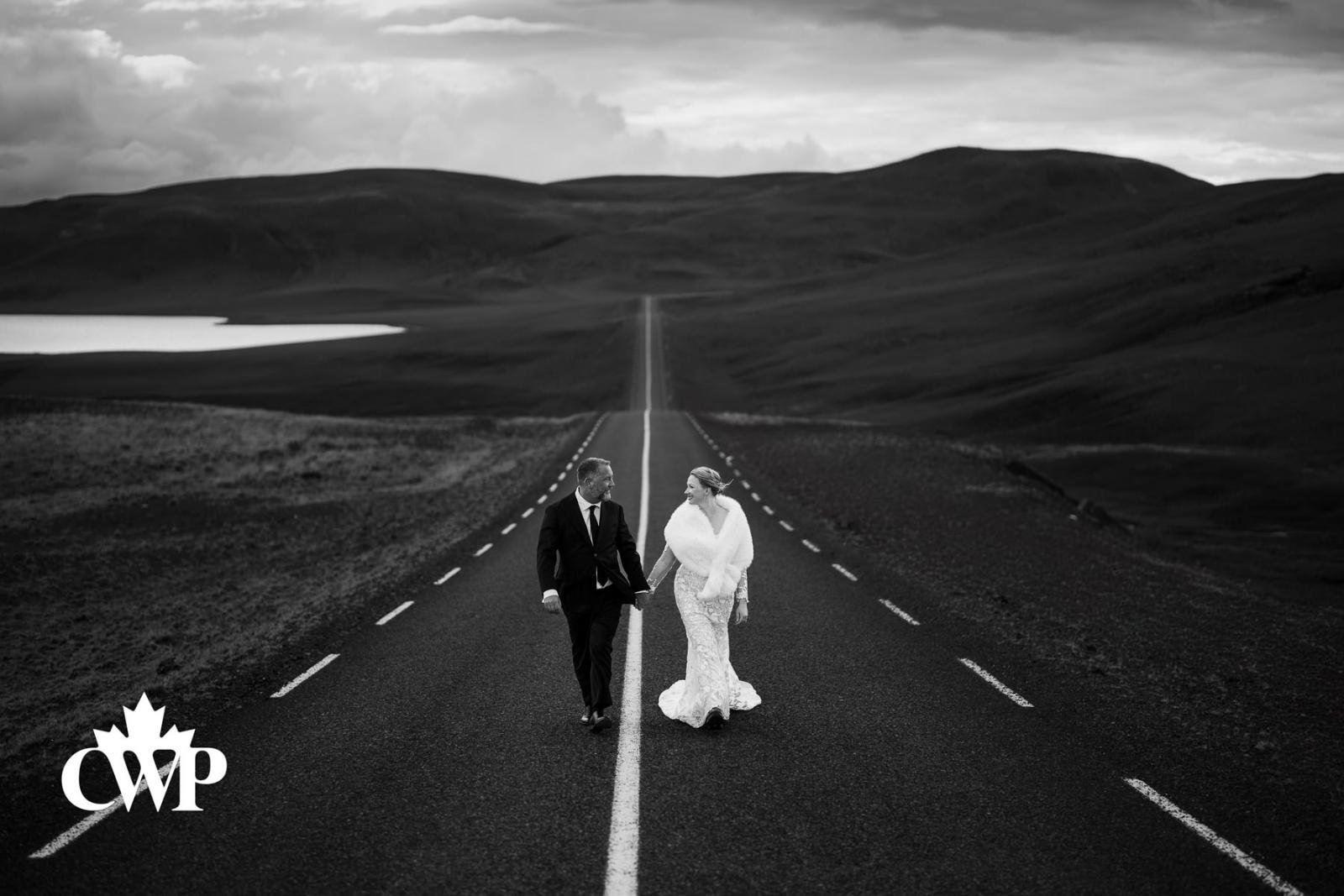
The Road in Isolation (Iceland) Sometimes, the quietest photos speak the loudest. This image features a simple walk down a paved road, the black volcanic landscape offering a stark, minimalist background. There are no epic waterfalls or glaciers in the frame—just the contrast of the dress against the dark earth. It proves that a great location doesn't need to shout to be heard; the lines of the road and the connection between the couple are enough.
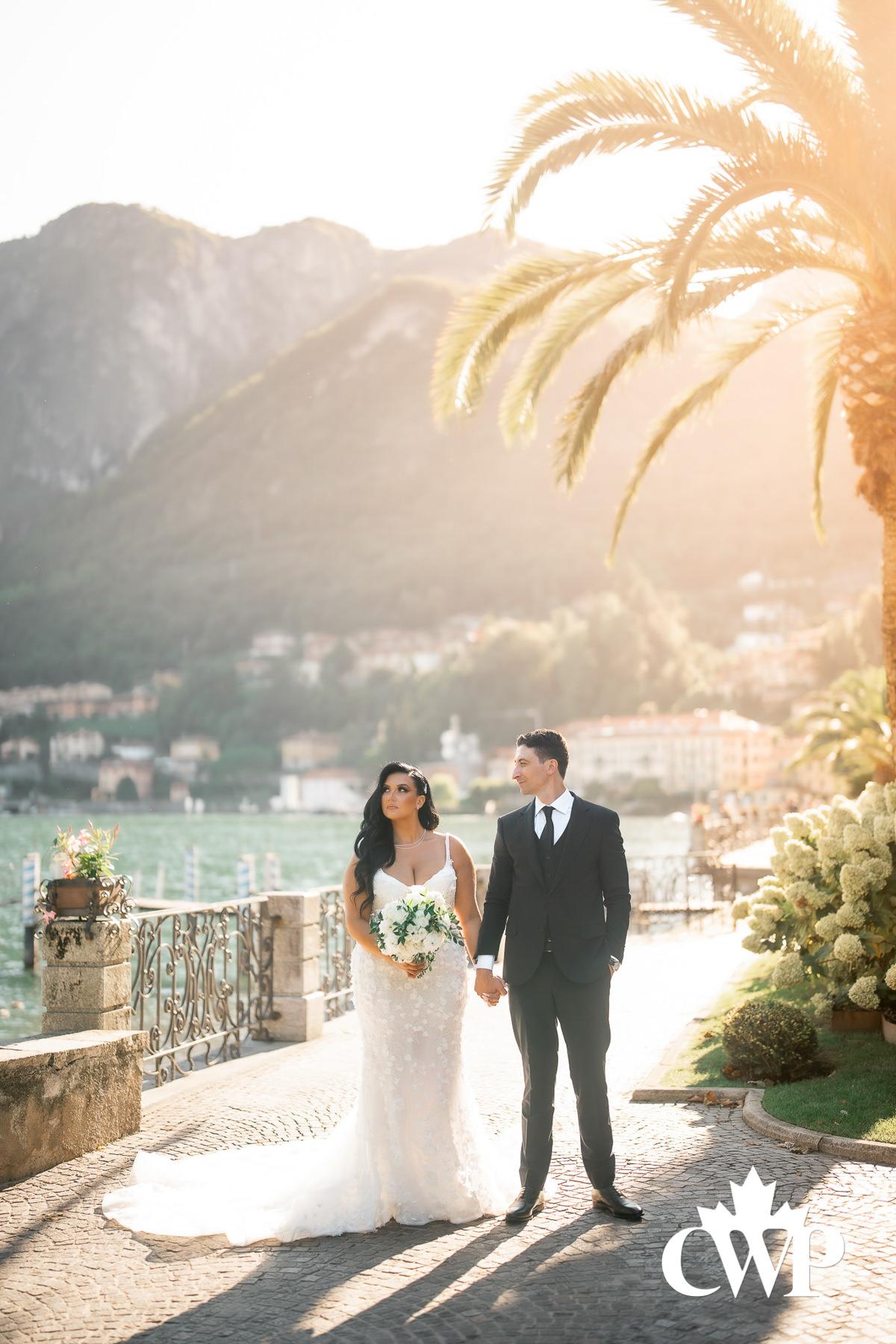
The Human Wall (Lake Como, Italy) In a crowded tourist hotspot, privacy must be manufactured. For this sun-drenched Italian portrait, Nash used the groomsmen as physical barriers to block pedestrians, creating a pocket of privacy for the couple. Framed by palm leaves and hard sunlight, the image feels exclusive and serene, hiding the hustle occurring just outside the frame.
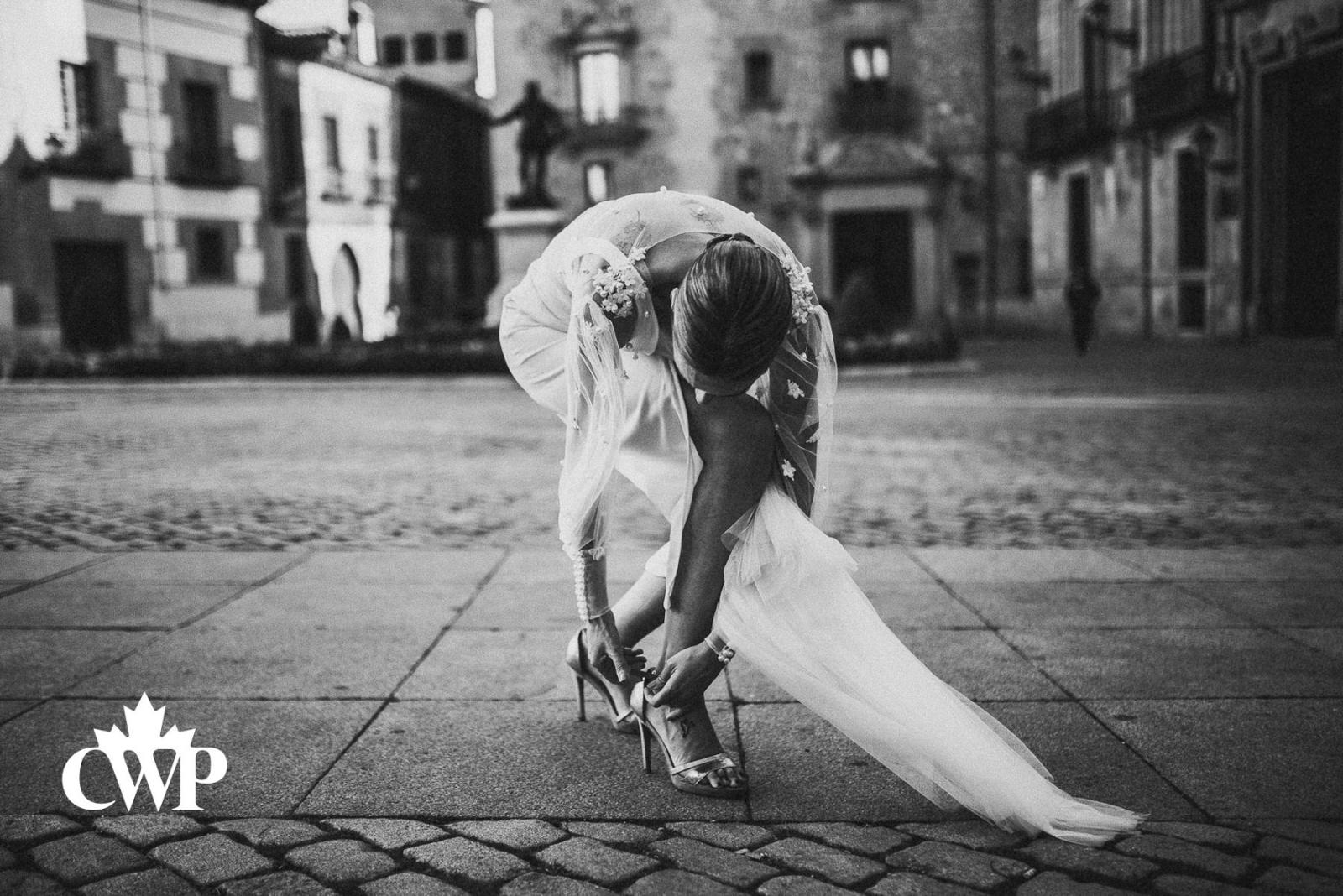
The Shoe Adjustment (Spain) Not every award-winning image is a grand landscape; some are quiet observations. In a courtyard in Spain, Nash captured a black and white image of a bride bending down to fix her shoe. It wasn't directed or posed. She looks elegant even in a mundane task, and the image retains a sense of motion, as if she is mid-stride. It is pure photojournalism—storytelling without interference.

The Procession (Antigua, Guatemala) Managing a wedding party of thirty people on a narrow path with a volcano in the background is a logistical puzzle. Rather than forcing a stiff group pose, Nash directed a slow-motion walk. The result is a cinematic frame that feels less like a wedding portrait and more like a scene from a movie—organized chaos turned into a flowing story.

The Patterned Hat (Uganda) During the same trip to Uganda, faced with harsh overhead sun and 30-degree heat, Nash embraced the hard light rather than fighting it. The bride was wearing a sun hat for shade, and Nash used it to his advantage. The resulting black and white image shows the light filtering through the weave of the hat, creating a beautiful stippled pattern of shadows across her face, turning a practical accessory into an artistic tool.
For Nash, Canadian Wedding Photographer of the Year is not a destination. It’s confirmation that patience matters.
“I want the photos to feel honest years from now,” he says. “I don’t want them remembering how long they posed. I want them to remember how it felt.”
As wedding photography continues to fragment into trends and content cycles, Carey Nash represents something steadier. A photographer shaped by distance, experience, and restraint. Someone who understands that the most important part of any image isn’t the backdrop—it’s the space between two people who trust you to see them clearly.
Website: careynash.com
Instagram: @careynash
Facebook: careynashphotography