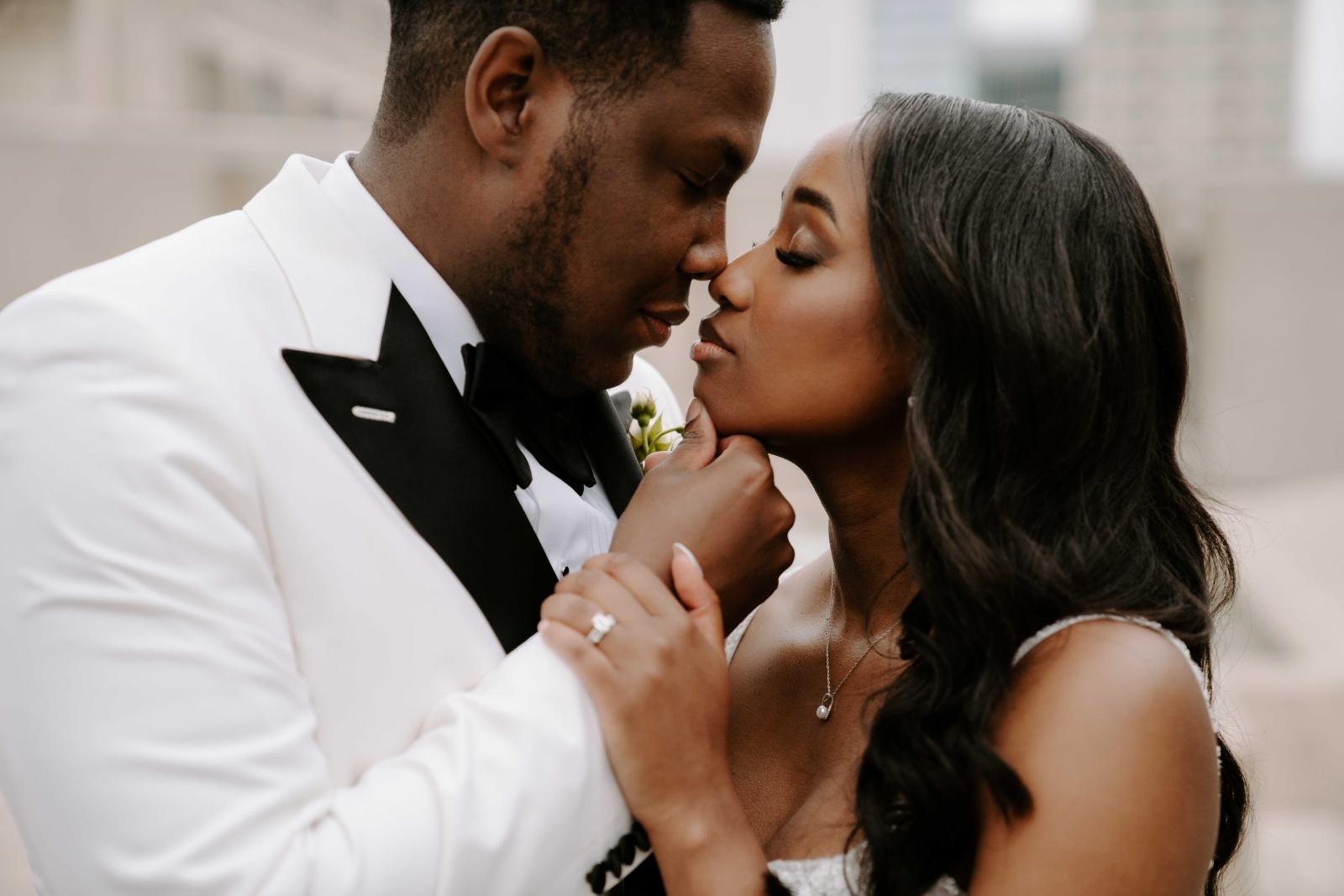
Emotion Over Perfection: Capturing Energy, Vibes, and Feeling
"I'm looking for energy and vibes and emotion."
Not sharpness. Not symmetry. Not technical perfection. Energy. Vibes. Emotion. That hierarchy — feeling first, technique second — is the creative philosophy that separates wedding photographers who make images people frame from those who make images people file.
This doesn't mean technique doesn't matter. Of course it does. A blurry, underexposed, badly composed photograph is just a bad photograph, regardless of how much emotion was theoretically present. But when a photographer has to choose — and they have to choose constantly, in real time, hundreds of times per wedding — between the technically clean frame and the emotionally true one, the emotion should win.
This is the sixth article in our Art of Wedding Photography series.
The Cult of Sharpness (And Why It's Overrated)
There's a persistent obsession in photography culture with technical metrics. Sharpness. Dynamic range. Noise performance. Bokeh quality. These things are endlessly debated in forums, reviews, and gear comparisons, and they're almost entirely irrelevant to whether a wedding photograph makes someone feel something.
The most emotionally powerful wedding images in history weren't made with the sharpest lenses. Many of them have grain. Some have motion blur. A few are slightly out of focus in ways that would make a pixel-peeper wince. None of that matters because the image works. It communicates. It makes you feel what the people in it were feeling.
The couple who receives their gallery and says "I cried looking at these" didn't cry because the images were sharp at 100% crop. They cried because they saw their father's expression during the vows, or their partner's face in the moment before the first look, or their grandmother dancing with an energy that nobody expected. The emotional content is the only content that matters to the people who live inside those photographs.
What "Energy" Actually Means in a Photograph
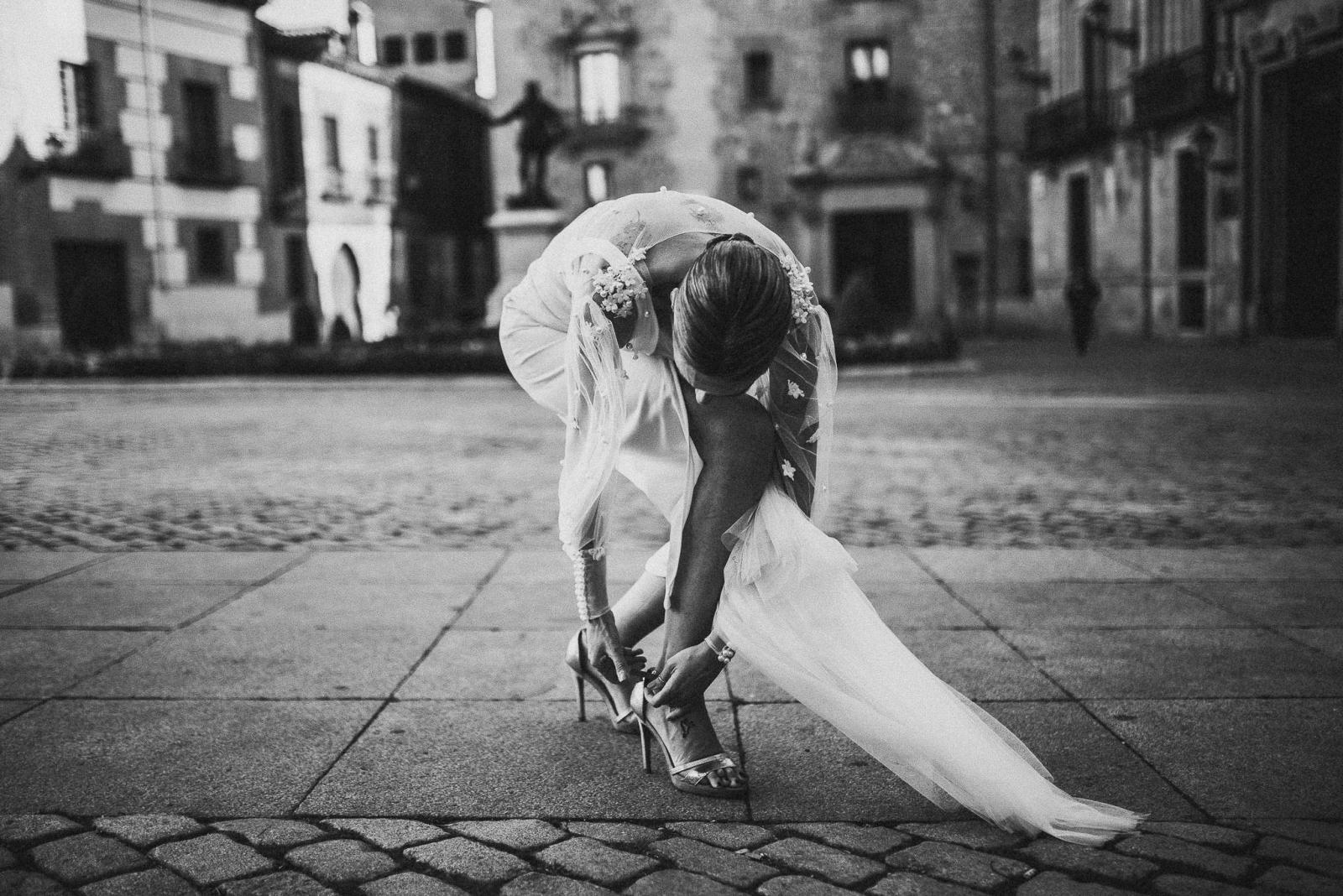
Energy is the quality that makes a photograph feel alive. It's the sense that something was happening — that the image captured a moment in motion, not a moment in stasis.
Technically, energy comes from several visual cues. Movement — real or implied — created by subjects mid-stride, mid-laugh, mid-gesture. Diagonal lines and asymmetric compositions that create visual tension. Contrast between areas of stillness and areas of action within the same frame. The slight blur of a spinning skirt on the dance floor that communicates motion more effectively than a frozen, tack-sharp image of the same skirt ever could.
But energy isn't just visual. It's felt. A photograph of a groomsman mid-air during a dance move has physical energy. A photograph of a couple standing quietly in a field at sunset, foreheads touching, eyes closed, has emotional energy. Both are alive. Both make the viewer feel something specific and immediate. Neither would be improved by being sharper.
Reading the Room's Emotional Temperature
The photographers who consistently capture emotion aren't lucky. They're literate. They read the emotional temperature of a room the way they read light — constantly, automatically, and with enough experience to know what's coming next.
A room during speeches has a specific emotional arc. The nervous energy at the beginning. The laugh that breaks the tension. The pivot to sincerity. The tears. The standing ovation or the quiet moment where the speaker and the honouree make eye contact and the rest of the room disappears. Each beat produces a different kind of image, and the photographer who's reading the arc is already positioned for the next one while the current one is still happening.
The dance floor has a different emotional profile entirely. The energy is physical, collective, and escalating. The moments that matter aren't the technically clean wide shots of the whole floor — they're the tight, chaotic, slightly blurry close-ups of faces mid-shout, bodies mid-spin, strangers mid-hug. The imperfection IS the energy. A perfectly sharp, perfectly composed dance floor shot looks like a stock photo. A messy, grain-heavy, motion-blurred one looks like a party.
The Courage to Choose Imperfection
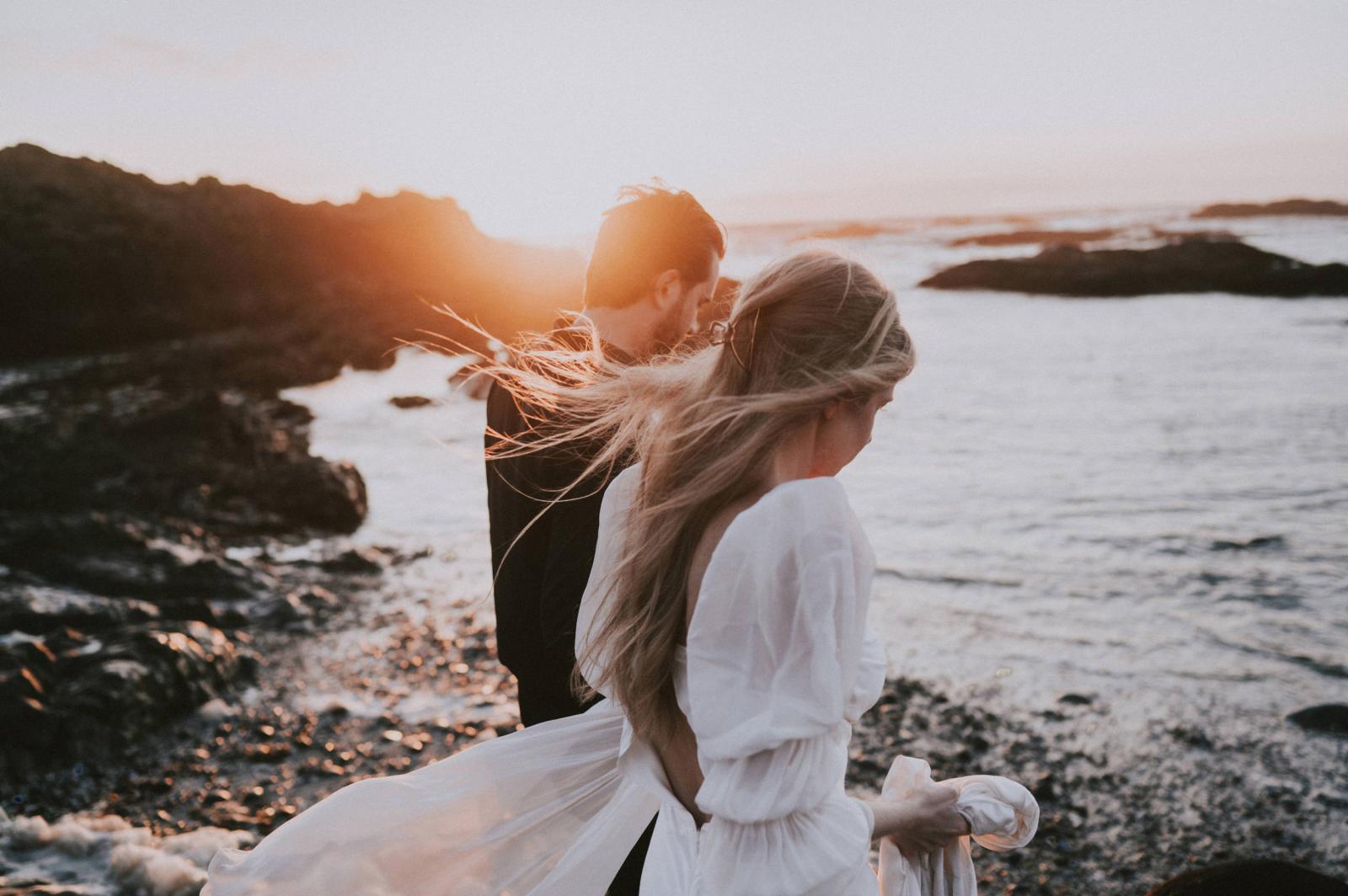
Choosing emotion over perfection requires a specific kind of creative courage. It means looking at two frames on your camera's screen — one technically clean, one emotionally charged but slightly flawed — and deliberately choosing the flawed one. It means trusting that the couple will see the emotion, not the noise. It means resisting the professional instinct to lead with the safest image.
This is especially challenging early in a career, when a photographer's reputation feels fragile and every portfolio image needs to demonstrate competence. The temptation is to show range, technique, and polish. The images that demonstrate mastery of lighting, composition, and post-processing. These images book weddings. But they don't make people feel things.
The career inflection point often comes when a photographer includes a technically imperfect but emotionally devastating image in their portfolio for the first time, and it gets more response than anything else they've ever posted. That's the moment they realize the audience doesn't care about the noise in the shadows. They care about the tears on the father's face.
Vibes as a Creative Framework
"Vibes" sounds vague. It's not. When a photographer says they're chasing vibes, they mean they're attuned to the overall feeling of a moment rather than its individual elements.
The vibe of a getting-ready room isn't captured by any single image. It's the combination of the music playing, the champagne being poured, the laughter, the nerves, the mother who keeps tearing up and pretending she's not. A photographer working on vibes shoots the whole environment — not just the subject but the context that gives the subject meaning. The wide shot that shows the whole room. The detail that captures the champagne flute next to the hairbrush next to the handwritten vows. The candid of the bridesmaid fixing her makeup in a mirror that happens to reflect the bride in the background.
Vibes are also temporal. They exist in a specific window and then they change. The vibe of the room at the start of getting ready is different from the vibe forty-five minutes in, which is different from the moment the dress goes on and everything gets quiet. A photographer tuned into vibes captures the transitions as well as the peaks.
How Editing Serves Emotion
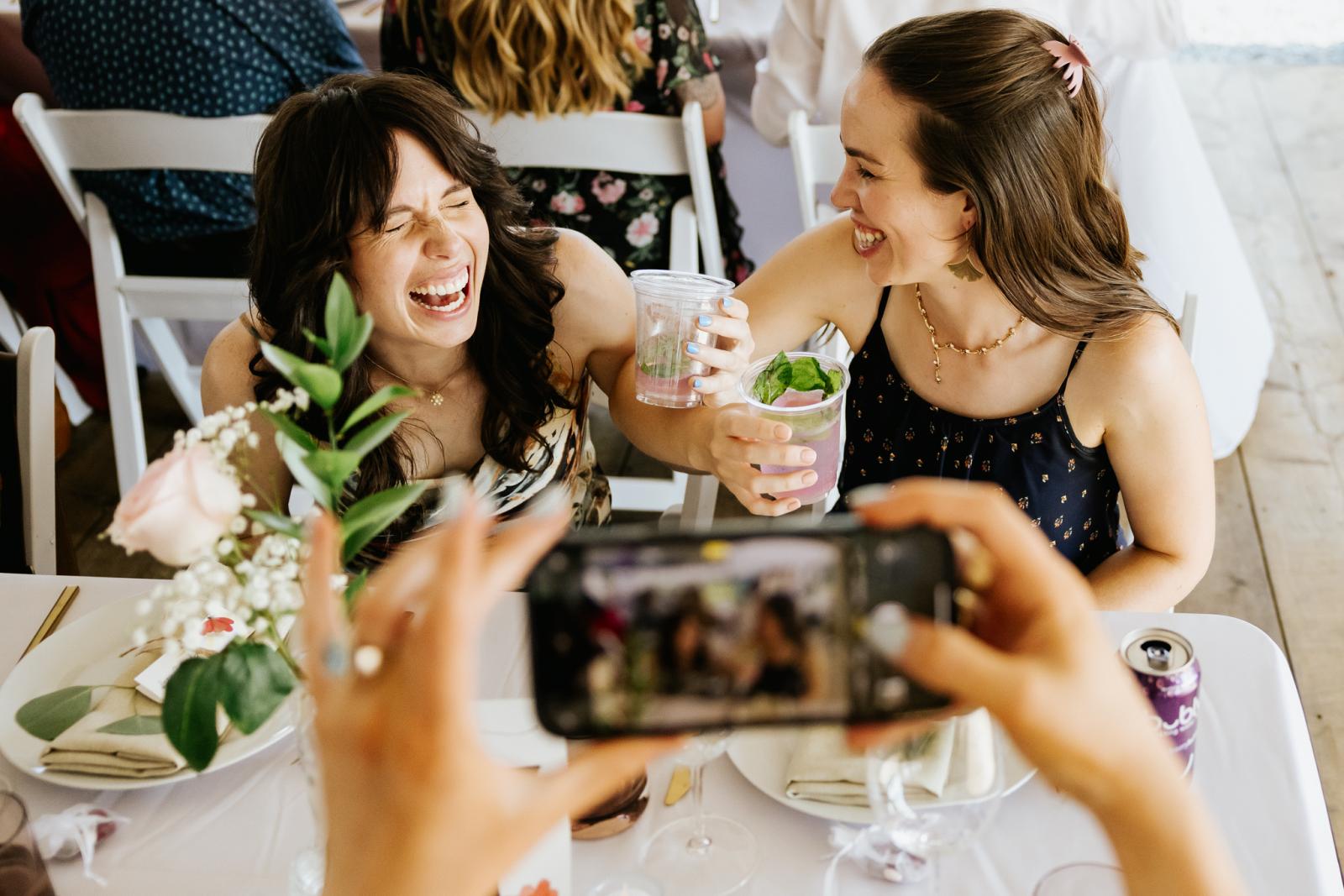
Post-processing is where the emotional intention of the photograph is either reinforced or destroyed. An image full of genuine feeling can be undermined by over-editing — too much clarity sharpening the life out of skin, too much contrast crushing the soft tones that gave the image its warmth, too much saturation making a natural moment look like a magazine advertisement.
The editing philosophy that serves emotion is typically one of restraint. Bring out what's already there. Don't add what isn't. "I tweak the way I edit every year because I find appreciation in new things," is how one photographer described an evolving style — not chasing trends, but gradually refining an approach that serves the emotional truth of the work.
The strongest editorial choices in emotional wedding photography tend toward authenticity. Slightly warm tones that reflect how the human eye actually perceives skin in natural light. Film-like grain that gives the image texture and age and the feeling that this moment belongs to a real life, not a feed. Enough contrast to create depth without eliminating the softness.
The Emotional Photograph's Shelf Life
Here's the ultimate argument for emotion over perfection: shelf life.
A technically perfect photograph impresses immediately and fades gradually. You look at it, you admire the composition, you appreciate the light, and then you move on. It's like a well-designed building — you respect it, but you don't feel compelled to visit it again.
An emotionally powerful photograph does the opposite. It might not impress on first glance. The technique might not be the first thing you notice. But it grows. You come back to it. You see new things in it — a background detail you missed, an expression you didn't fully register, a relationship between two people in the frame that becomes more meaningful as you spend more time with it. This is the photograph that ends up on the nightstand. The one that gets shown to the kids. The one that makes the couple feel the same thing at their thirtieth anniversary that they felt on their wedding day.
That's what you're making when you choose emotion over perfection. Not images for a portfolio review. Images for a life.
The Canadian Wedding Photography Awards galleries are full of this work — images where the feeling hits before the technique even registers. Browse them and you'll see what happens when skilled photographers prioritize the vibes.
Continue the series
This is the sixth article in The Art of Wedding Photography series. Next: Finding Your Style Without Losing Yourself.
Explore work that leads with emotion in the CWP member directory.