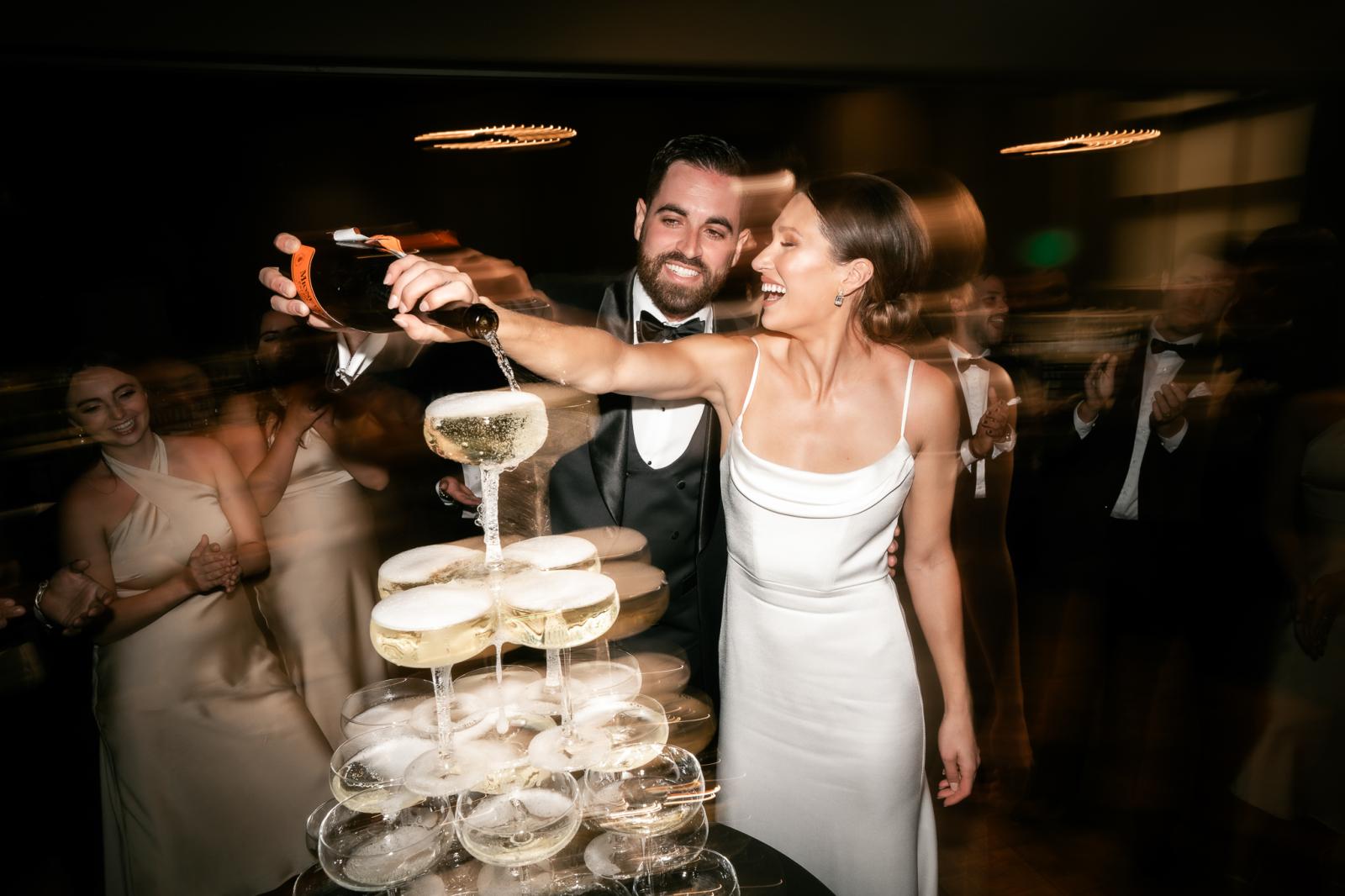
Prepared but Flexible: The Art of Shooting Without a Shot List
"Every time I go into a shoot thinking I'm going to try this, it derails everything."
That's a confession most honest wedding photographers will eventually make. The idea sounds reasonable — you saw a shot on Instagram, you planned a composition in advance, you walked into the venue with a vision. And then the venue didn't cooperate. The timeline shifted. The couple's energy was different from what you expected. The thing you planned didn't work, and because you were focused on getting it, you missed three things that would have been better.
This is the tension at the heart of wedding photography: you have to be prepared, but you can't be rigid. The preparation serves the flexibility. The moment you stop adapting to what's actually in front of you, you stop making photographs and start executing a checklist.
This is the fourth article in our Art of Wedding Photography series.
The Problem With Shot Lists
Shot lists exist for a good reason. They ensure the essential images get captured — the ring on the hand, the couple with each set of parents, the bridal party lineup, the venue details the couple spent months designing. Nobody wants to discover after the honeymoon that the photographer forgot to get a photo with grandma.
The problem isn't the concept. The problem is what happens when the shot list becomes the primary creative framework for the day.
A photographer working through a checklist is thinking about coverage, not storytelling. Their attention is on what hasn't been checked off yet, not what's happening right now. They're mentally in the next shot while the current moment is still unfolding. And when something unscripted happens — the moment that could produce the best image of the day — they're not available for it, because they're three bullet points deep in "detail shots: shoes, rings, invitation suite."
The most common regret photographers express about their early careers isn't missed technical settings or wrong lens choices. It's missed moments. And the moments were missed because the photographer was following a list instead of following the day.
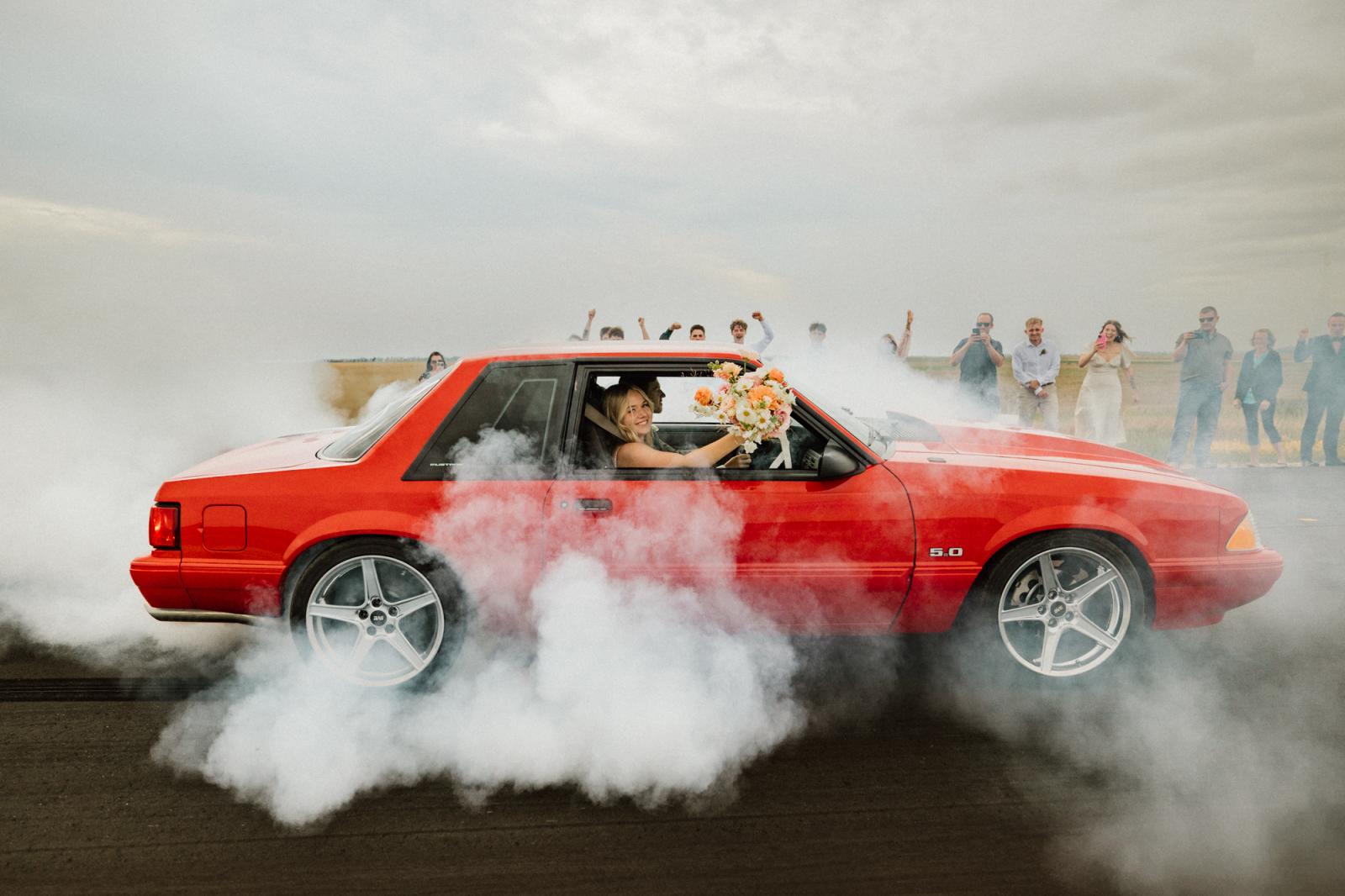
What "When You Plan Too Much" Actually Means
"When you plan too much, you focus on getting that shot and lose the moment."
This isn't an argument against all planning. It's an argument against the wrong kind of planning. There's a difference between knowing what needs to happen and scripting how it will happen.
Knowing what needs to happen: the couple wants portraits at golden hour, the family formals include four specific groupings, the venue has a rooftop with a great view that closes at five.
Scripting how it will happen: at 4:15 we'll do the wide shot from the southeast corner with the couple walking toward camera, then at 4:20 we'll move to the staircase for a tight portrait with the railing in the foreground, then at 4:25 we'll...
The first kind of planning is structural. It creates the conditions for good work. The second kind is a prison. It commits you to specific compositions before you've seen the actual light, the actual energy, the actual moment. And the actual versions of all those things are almost always different from what you imagined at your desk three days earlier.
The Intuitive Approach
The photographers who produce the most consistently compelling work tend to operate with what you might call structured intuition. They have a framework — they know the essential shots, they've scouted the venue, they understand the timeline — but within that framework, they're making decisions in real time based on what's happening, not what they planned to happen.
This looks effortless from the outside. It is not. Structured intuition is the result of enormous experience compressed into instinct. It's the photographer who walks into the portrait session, sees the light doing something interesting on a wall they hadn't considered, and pivots the entire approach in thirty seconds — knowing from a hundred previous weddings that this light will be better than whatever they'd planned.
It's the photographer who's supposed to be shooting getting-ready detail shots but notices the bride's father sitting alone in the hallway, working through something complicated in his expression, and makes the call to abandon the flat-lay and capture the human moment instead. The flat-lay can be reconstructed. The father's face cannot.
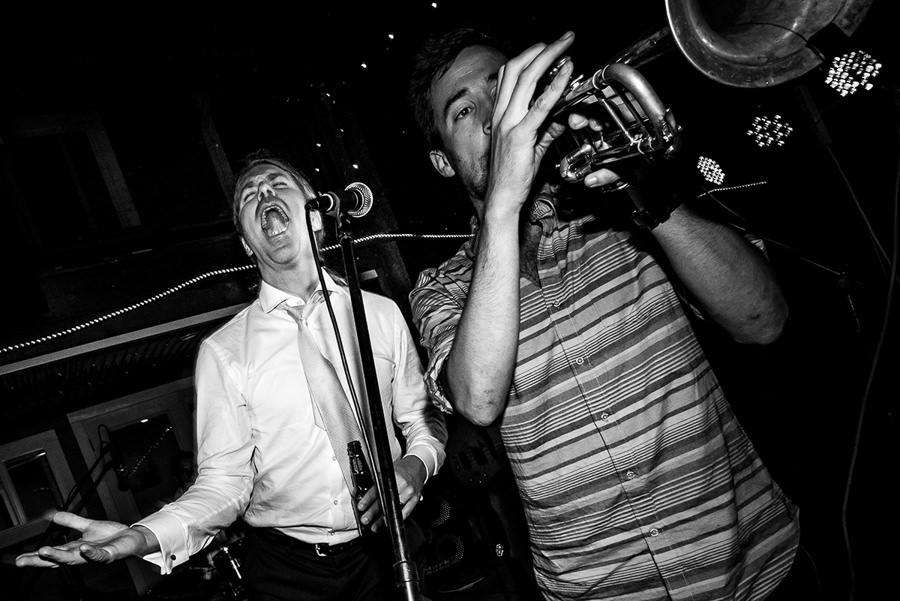
How to Be Prepared Without Being Rigid
The practical approach isn't "don't prepare." It's "prepare in layers."
Layer one: the non-negotiables. These are the images that must exist by the end of the day. Family groupings. The couple's key moments (ceremony, first dance, exit). Ring shots. Venue details. These are the structural commitments that prevent the "we forgot grandma" disaster.
Layer two: the opportunities. Before the wedding, the photographer has identified potential portrait locations, interesting light at specific times, and compositional ideas inspired by the venue. These aren't commitments. They're options. If the rooftop light is great at golden hour, you go there. If it's not — if it's overcast, if the wind is too strong, if the couple's energy says they want to be somewhere quieter — you go somewhere else without a second thought.
Layer three: the instinct. This is the layer that can't be planned. It's the ability to recognize when something better than your plan is happening right in front of you, and the willingness to drop the plan for it. This layer only works if layers one and two have already been handled — you can follow your instinct freely because you know the essential coverage is secure.
The progression across a career is often a shift from layer one dominance (early career, heavy reliance on shot lists) to layer three dominance (experienced, working primarily from instinct with the essentials handled almost unconsciously).
The Couple's Energy Is the Real Shot List
Here's what no shot list accounts for: the couple. Their mood, their energy, their comfort level, their stamina. A shot list doesn't know that the bride is an introvert who hit her social wall after the ceremony and needs ten minutes of quiet before portraits. It doesn't know that the groom is genuinely uncomfortable being photographed and loosens up only when he's making his partner laugh. It doesn't know that the couple has been up since five in the morning and the elaborate two-hour portrait session you planned is going to produce forced smiles after the first thirty minutes.
The photographers who get the best work read the couple's energy and adjust. If the couple is vibrant and playful, you lean into that — more movement, more interaction, more spontaneous direction. If they're quiet and intimate, you pull back — give them space, shoot from a distance, let the intimacy speak without interrupting it. If they're tired, you wrap it up sooner than planned, because twelve great images from a forty-minute session are worth more than forty mediocre images from a two-hour one.
This adaptability is what "flexible" really means. Not disorganized. Not unprepared. Responsive. Present. Willing to let what's actually happening be more important than what was supposed to happen.
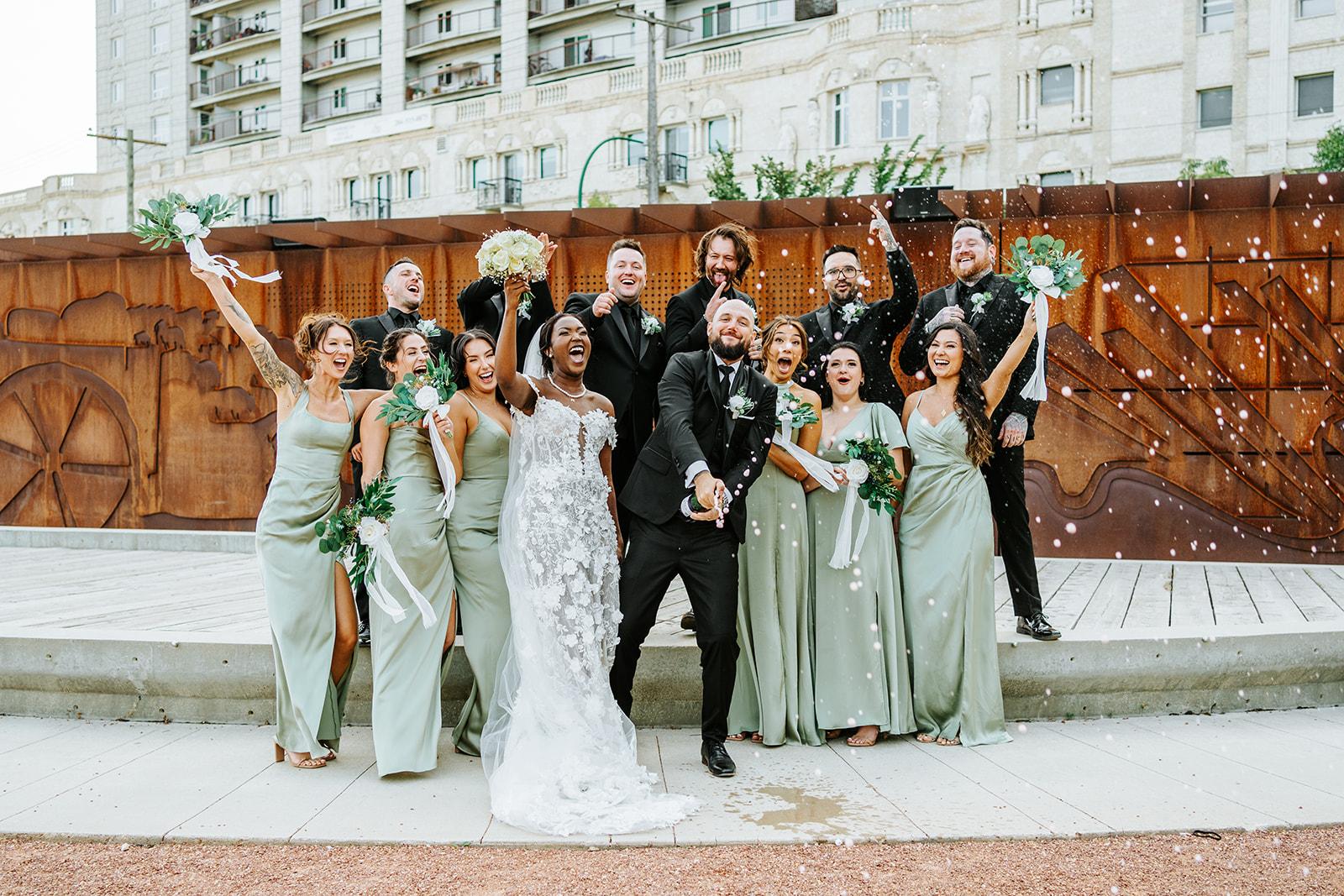
Trusting the Process
The hardest part of the prepared-but-flexible approach is trust. Trusting that you've shot enough weddings to know when to deviate from the plan. Trusting that the moment happening now is worth more than the composition you had in mind. Trusting that the couple will end up with a better gallery because you followed the day rather than forcing it into a template.
This trust builds incrementally. Every wedding where you followed your instinct and it paid off reinforces it. Every wedding where you stuck to the shot list and missed something teaches you to hold the list more loosely next time.
The end state isn't a photographer who shows up with no plan. It's a photographer who shows up with deep preparation and a light grip — ready for anything, attached to nothing, and confident that whatever the day offers will be enough.
The Canadian Wedding Photography Awards galleries are full of images that no shot list could have predicted. The winning photographs across every category share a common quality: they feel like they were discovered, not manufactured. That's the result of preparation meeting flexibility at exactly the right moment.
Continue the series
This is the fourth article in The Art of Wedding Photography series. Next: Directing Without Posing: How to Get Natural-Looking Photos of Real People.
Find a photographer who balances preparation with creative instinct in the CWP member directory.