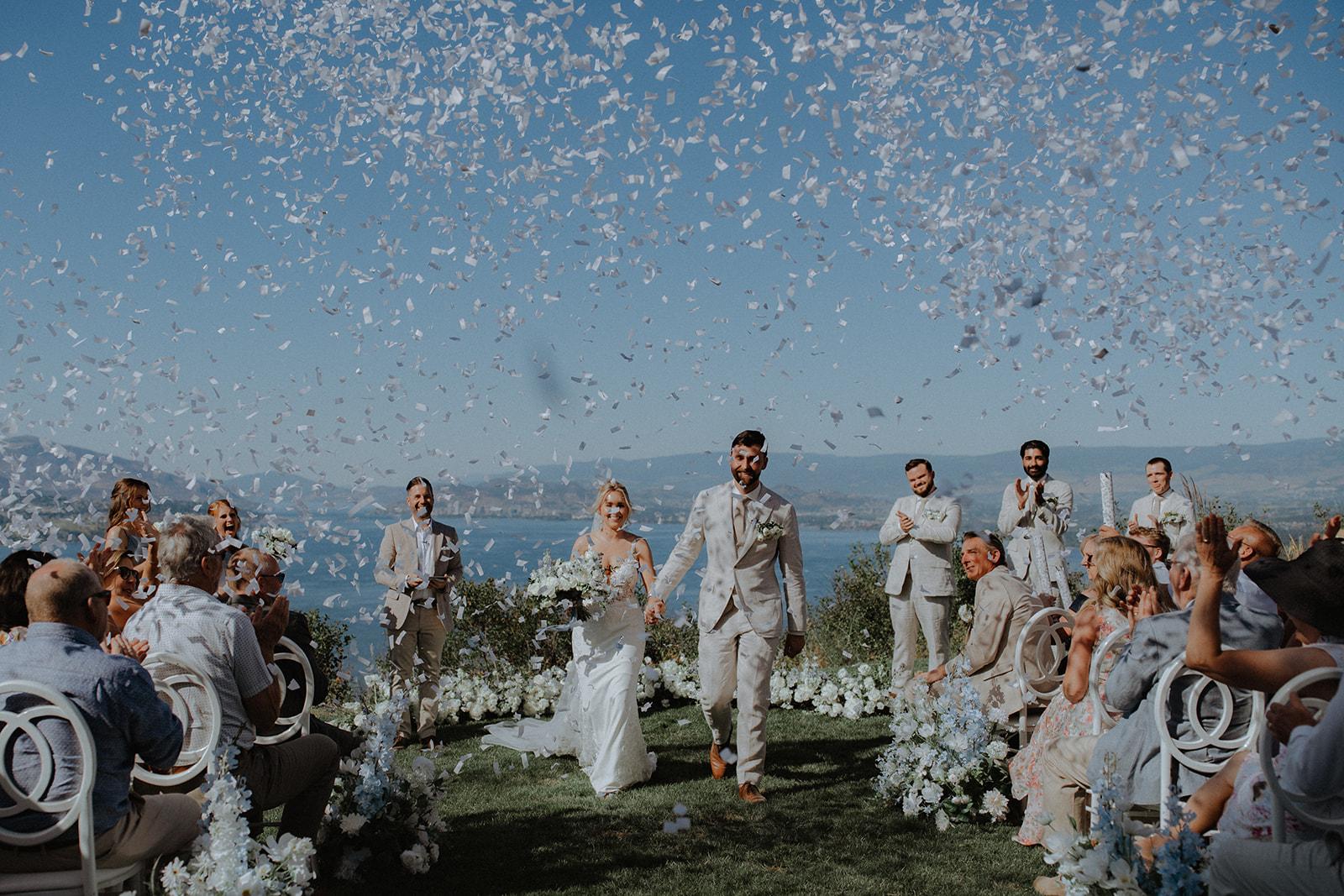
Second Shooting: The Most Underrated Education in Wedding Photography
There's a question that comes up constantly in photography communities: "How do I get better at wedding photography?" The answers tend to involve workshops, online courses, preset packs, and portfolio reviews. All useful. None transformative.
The transformative answer is simpler: go shoot a wedding alongside someone better than you.
Second shooting — working as the second photographer at a wedding, supporting an experienced lead — is the most efficient education in the profession. Not because someone is teaching you. Because you're watching, in real time, how a skilled photographer moves through a wedding day, makes decisions under pressure, and produces the images you wish you were making.
No course replicates this. No YouTube video captures the speed at which these decisions happen. You have to be in the room.
This is the eleventh article in our Art of Wedding Photography series.
What Second Shooting Actually Is
The second shooter fills the coverage gaps that a single photographer can't. When the lead is with the bride during getting ready, the second is with the groom. When the lead shoots the ceremony from the front, the second covers the back. When the lead is directing portraits, the second is capturing the reactions, the environment, or the candid moments happening at the edges.
In practical terms, the second shooter provides alternate angles, wider coverage, and insurance. The lead gets the definitive image. The second gets the complement — the angle that provides context, the reaction shot that completes the story, the wide view while the lead is shooting tight.
But the educational value goes far beyond the assignment. The second shooter has a front-row seat to an experienced photographer's entire creative process — every positioning decision, every lens change, every moment of reading the light and adjusting. You see the decisions that produce great images, and more importantly, you see the decisions that you wouldn't have made yourself.
What You Learn That You Can't Learn Elsewhere
Pacing. The most surprising thing you learn as a second shooter is how an experienced photographer manages their energy across a twelve-hour day. They don't shoot at the same intensity for twelve hours — they pulse. High intensity during the ceremony and portraits. Lower intensity during dinner. Back up for speeches and the dance floor. This pacing is invisible to anyone who hasn't spent a full day beside them, and it's essential to sustainability.
Positioning. Where the lead stands tells you more about photography than any composition tutorial. Why did they choose that corner? Because it gives them backlight from the window and a clean background, with a sight line to both the couple and the parents. Why did they move six feet to the right? Because the ceremony officiant just shifted and was about to block the couple's face. These micro-decisions happen constantly and they're impossible to teach in a classroom because they depend on the specific room, light, and situation.
Problem-solving in real time. Every wedding produces problems. The timeline shifts. The light changes. A guest stands in the wrong spot. The DJ's lighting is atrocious. Watching how an experienced photographer solves these problems — calmly, quickly, without the couple noticing — teaches you a problem-solving repertoire that no course covers because the problems can't be predicted.
Client management. The interpersonal side of the job. How the lead photographer talks to the couple during portraits. How they manage family dynamics during group photos. How they redirect a difficult guest or calm a nervous bride. The tone, the body language, the specific words they use — this is the craft within the craft, and you absorb it by proximity.
Editing standards. When the images come back and you see what the lead selected versus what they cut, you learn their editorial judgment. The images you thought were strong that they passed on. The images you would have deleted that they chose. This gap between your judgment and theirs is the clearest map of what you need to develop.
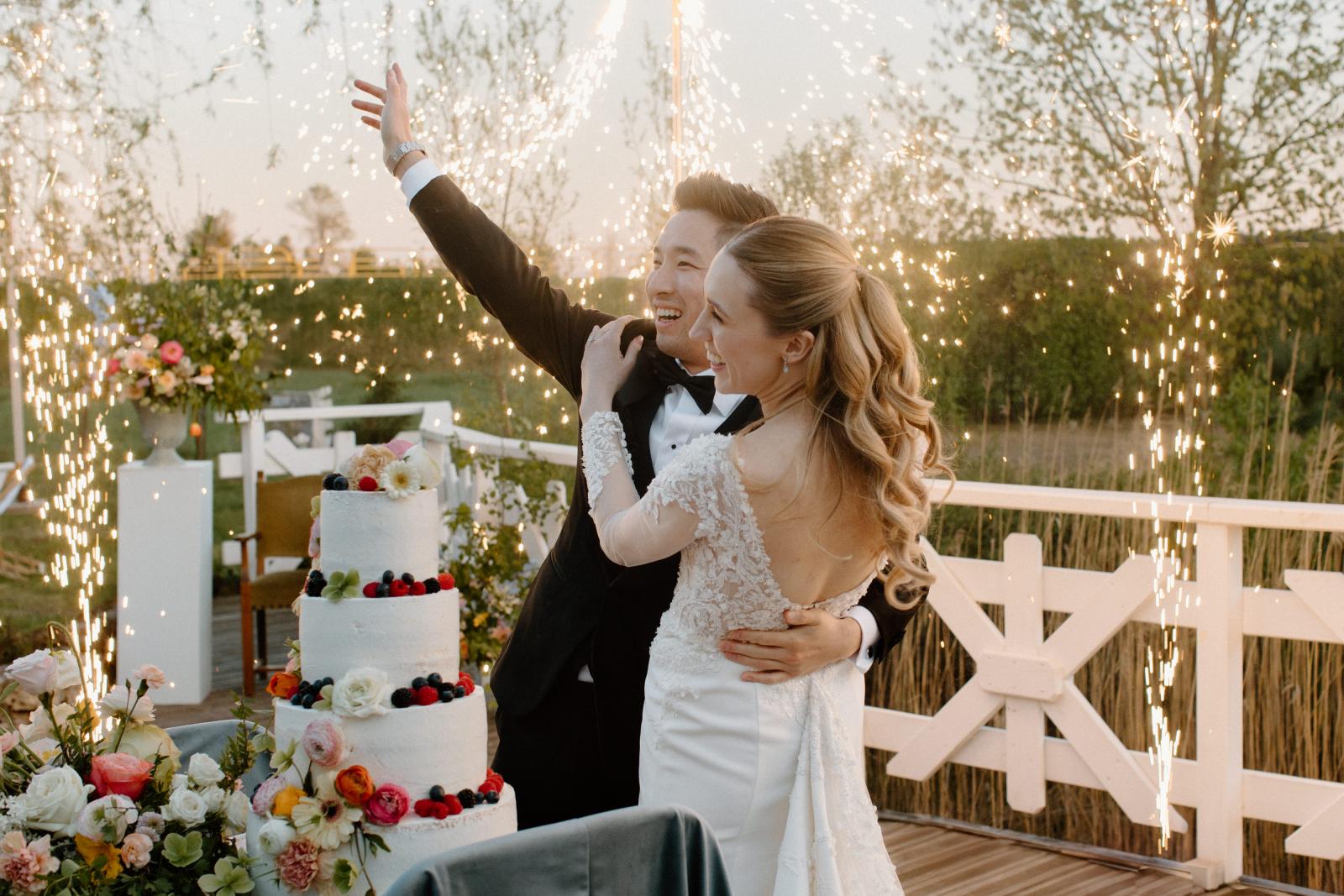
How to Get Second Shooting Work
The most direct path: reach out to photographers whose work you admire and offer to second shoot. Be specific about your experience level. Be willing to work for a lower rate than your primary shooting rate, because you're getting education in exchange for the discount. Bring your own gear. Be reliable — show up early, stay late, follow instructions, and don't get in the way.
The photographers most likely to hire second shooters are those who regularly book weddings that require two-person teams. Check the CWP member directory — photographers working larger weddings, high-end events, or multi-day celebrations often need second shooters and may post about it on their social channels.
A few things that make you a desirable second shooter: you can shoot in full manual. You understand the basics of wedding photography timing. You're physically capable of working a long day with heavy gear. You have a cooperative temperament — this is someone else's show, and your job is to support, not compete.
How to Maximize the Learning
Second shooting is educational only if you're paying attention. If you're just shooting your own images from your own angles without observing the lead, you're a second camera, not a student.
Watch everything the lead does. Not just when they're shooting — when they're not shooting. What are they looking at? How are they anticipating the next moment? When do they switch lenses? How do they communicate with the couple?
Ask questions during downtime. Between the ceremony and portraits, during dinner setup, while waiting for the dance floor to fill. Why did you choose that location? What were you looking for during the speeches? How did you know the father was about to get emotional? Most experienced photographers are generous with this information when asked at the right moment.
Compare your selects to theirs. After the wedding, look at what you shot versus what the lead shot at the same moments. You were in the same room. Why are their images better? The answer is usually not equipment or settings — it's position, timing, or the way they saw the moment.
Second for different photographers. Each lead photographer has a different approach, a different style, a different way of managing a day. Second shooting for five different photographers teaches you five different methods, and you can synthesize the elements of each that resonate with your own developing style.
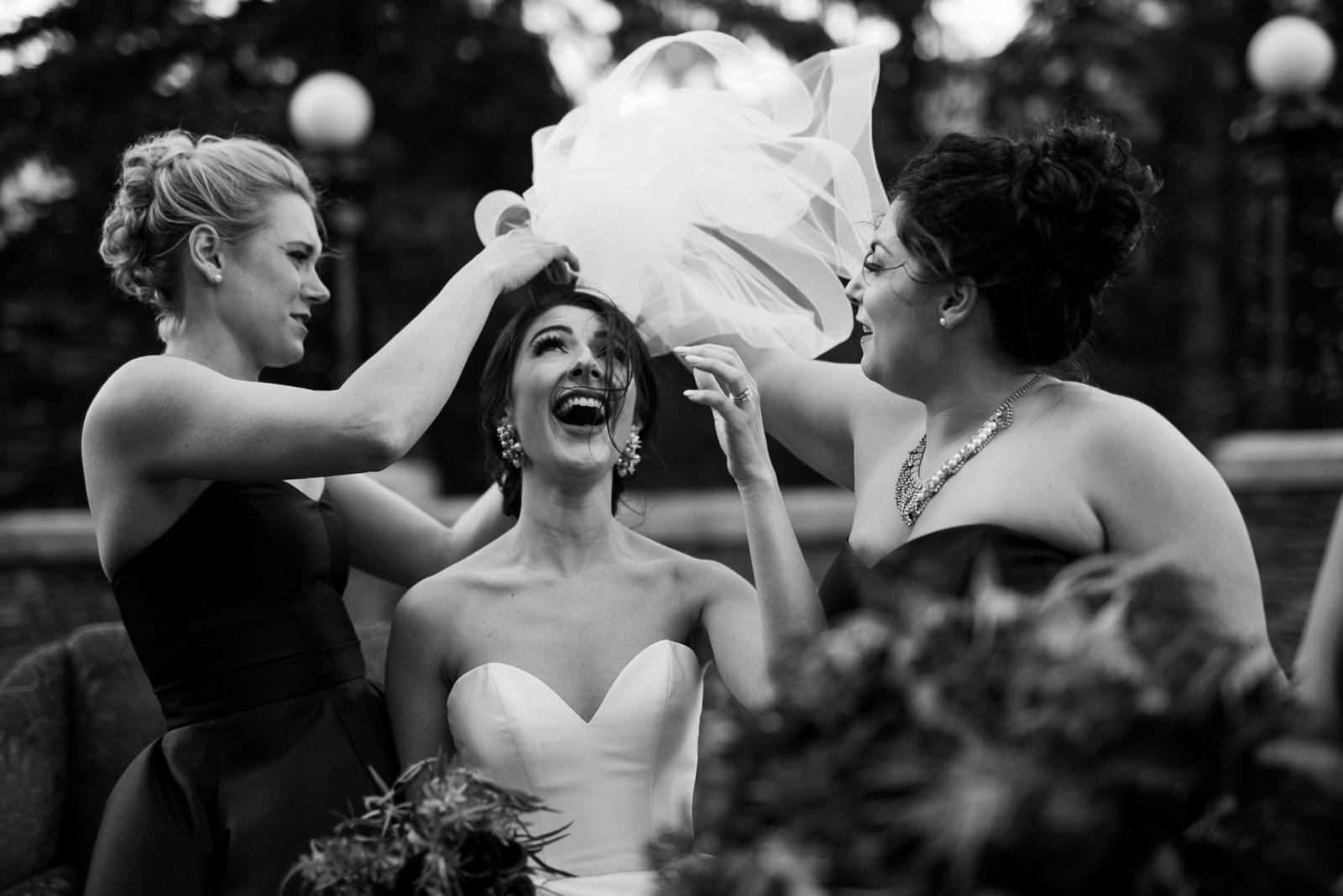
The Transition to Lead
There's a point where second shooting stops being the primary learning tool and becomes a limitation. Once you've absorbed the core lessons — pacing, positioning, problem-solving, client management — the most important remaining lesson is leading.
Leading is different. The decisions are yours. The client relationship is yours. The creative direction is yours. And the responsibility — the fact that these images are the only record of someone's wedding — is yours. No amount of second shooting fully prepares you for that weight, but it gets you as close as possible.
Many photographers transition gradually — leading smaller weddings while still second shooting for experienced photographers at larger ones. This overlapping period lets you practice leading with a safety net. The lower-stakes weddings build your confidence. The continued second shooting maintains your exposure to high-level work.
The Canadian Wedding Photography Awards provide another kind of benchmark during this transition. Submitting images from your lead work — and seeing how they're evaluated by the community of your peers — gives you objective feedback on where your independent work stands relative to the broader profession.
The Relationship That Lasts
The best second shooting relationships outlast the assignment. The lead photographer becomes a mentor, a referral source, a colleague you trust for honest feedback. Many of the strongest professional relationships in the Canadian wedding photography community started with one photographer shooting behind another — learning, watching, and gradually developing into an independent voice.
It's the apprenticeship model. Not formal, not structured, not credentialed — but real. And there's no substitute for it.
Continue the series
This is the eleventh article in The Art of Wedding Photography series. Next: Film at Weddings: Why Some Canadian Photographers Are Going Back to Analog.