The AI Second Shooter: Can Technology Fill the Gap When You're Working Solo?
"Every time I go into a shoot thinking I'm going to try this, it derails everything."
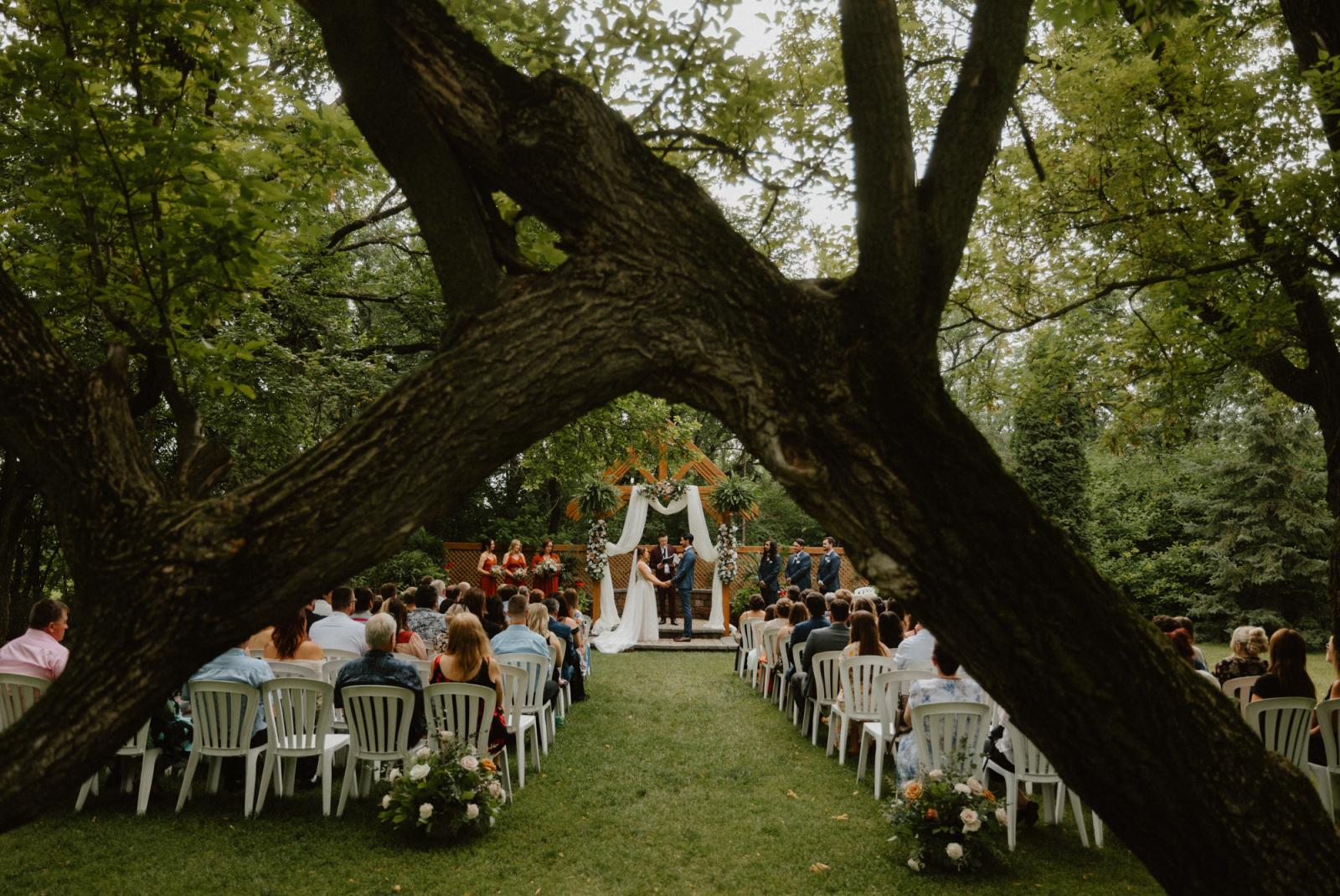
The second shooter solves one of wedding photography's fundamental problems: the photographer can only be in one place at a time. During the ceremony, the primary shooter captures the couple's expressions while the second covers the guests' reactions. During getting ready, one photographer is with the bride while the other is with the groom. During the reception, one follows the action while the other catches the periphery — the quiet moments happening at the edges.
For photographers who work solo — by choice or by budget — every wedding involves a series of impossible decisions about where to be. You can't photograph the groom's face during the first look and the bride's reaction simultaneously. You choose one, and the other moment happens without a camera pointed at it.
AI technology companies have noticed this pain point. The term "AI second shooter" has entered the marketing vocabulary, attached to a range of technologies that promise to extend a solo photographer's capabilities. But the gap between the marketing language and the current reality is wider than it is for AI culling or AI editing — and understanding that gap is essential for any photographer evaluating these tools.
This is the sixth article in our Wedding Photography in the Era of A.I. series.
What "AI Second Shooter" Actually Means
The term covers several distinct technologies, each at a different stage of maturity.
AI-assisted composition and framing. Some camera systems and accessories use AI to suggest or automatically adjust composition in real time. The technology analyses the scene, identifies subjects, and either suggests framing adjustments or automatically crops and reframes during or after capture. This is the most developed category, built on the same face-detection and subject-tracking technology that's been improving in consumer cameras for years.
Video-to-stills extraction. Continuous video capture with AI-powered frame extraction — shooting video at high resolution and using AI to identify and extract the optimal still frames. The concept is compelling: instead of choosing when to press the shutter, capture everything and let the AI find the decisive moments afterward. The technology exists, but the quality gap between a dedicated still photograph and an extracted video frame remains significant.
Computational photography features. Multi-frame compositing, AI-enhanced low-light performance, and intelligent HDR — technologies that combine multiple captures or enhance single captures using AI processing. These don't provide a second angle, but they extend what a single photographer can achieve technically.
Autonomous camera systems. The most ambitious category: robotic or static camera systems that capture images independently using AI to identify moments worth photographing. These exist primarily in research and early commercial applications, not in wedding photography production workflows.
What's Actually Working
The honest assessment in 2026 is that no AI technology replicates what a skilled second shooter does. But several technologies provide genuine value to solo photographers.
AI subject tracking has reached a level where modern cameras can maintain focus on a moving subject with remarkable accuracy. A photographer tracking the bride walking down the aisle can trust the camera's AI to maintain focus while they concentrate on timing and composition. This isn't a second shooter — it's a better tool for the solo shooter.
AI-enhanced autofocus in low light has improved dramatically. Reception venues that would have challenged previous generations of autofocus systems are now navigable, which means the solo photographer can work more confidently in difficult environments. Again, not a second angle — but a capability extension that reduces the moments lost to technical failure.
Intelligent burst mode — where the camera uses AI to select the optimal frames from a high-speed burst — reduces the culling burden and increases the hit rate. When you only get one chance at the bouquet toss, having the camera's AI ensure you captured the peak moment is genuinely valuable.
Post-capture AI reframing allows photographers to shoot slightly wider than their intended composition and use AI to crop, straighten, and reframe in post-production. This provides a small but real safety margin — the ability to adjust framing after the fact, which partially compensates for the absence of a second perspective.
What Isn't Working Yet
The core promise of the "AI second shooter" — an independent system that captures moments the photographer misses — remains largely unfulfilled.
Autonomous camera systems exist, but they can't do what a human second shooter does. A second shooter doesn't just point a camera in a different direction. They read the room. They anticipate moments. They know that the father of the bride is about to lose his composure because they've been watching his face for the last thirty seconds. They position themselves for the reaction shot before the reaction happens because they understand the emotional arc of the moment.
Current AI can identify faces and track movement. It cannot read emotional anticipation. It cannot understand that the moment worth capturing isn't the obvious one happening centre stage but the quiet one happening in the third row. The photographer's eye — the creative intelligence that sees what's about to happen and positions accordingly — is not something current AI possesses.
Video-to-stills extraction, while improving, produces images that lack the quality characteristics of dedicated still photography. The depth of field, the dynamic range, the resolution, and the noise characteristics of an extracted video frame are measurably different from a photograph captured with intent. For social media or secondary gallery images, the quality may be acceptable. For the hero images that define a photographer's portfolio and a couple's album, the gap remains visible.
The Honest Comparison
A skilled human second shooter provides: independent creative judgment, emotional intelligence, physical presence in a different location, real-time communication with the primary shooter, the ability to direct subjects, and images captured with photographic intent at full quality.
Current AI "second shooter" technology provides: enhanced technical capability for the primary shooter, improved hit rates on single-chance moments, post-capture flexibility in framing, and incremental quality improvements in challenging conditions.
These are not equivalent capabilities. The marketing that positions AI as a second shooter replacement is ahead of the technology — sometimes significantly ahead.
For photographers considering whether to hire a human second or rely on AI tools, the decision depends on what the second shooter is actually needed for. If the primary need is technical backup — better hit rates, better low-light performance, framing flexibility — AI tools deliver real value at a fraction of the cost. If the primary need is a genuinely independent creative perspective from a second physical location — which is what most couples hiring a second shooter actually want — the technology isn't there.
A human second shooter brings a second creative perspective — a different eye, a different instinct for which peripheral moments matter. That creative dimension is explored in the Art of Wedding Photography series, which examines how vision and presence produce images that no algorithm anticipates.
The Workflow Approach
Rather than thinking of AI as a second shooter, the more productive framing is AI as a workflow enhancement that makes the solo photographer more effective.
Shoot wider, reframe in post. AI-powered cropping tools give the solo photographer a degree of compositional flexibility that partially compensates for being locked into one position.
Use intelligent burst modes strategically. For single-chance moments — the first kiss, the bouquet toss, the exit — AI-assisted burst capture with intelligent frame selection increases the probability of capturing the optimal frame.
Leverage AI culling and editing to redirect the time saved toward the wedding day itself. If AI saves four hours of post-production per wedding, that's four hours that could be invested in pre-wedding preparation, location scouting, or simply being more present and less stressed on the shooting day.
Combine static camera angles with primary shooting. A camera on a tripod with face-detection-triggered capture can provide a fixed wide-angle view of the ceremony while the photographer works for closer compositions. The technology is simple and the results are supplementary, but it provides coverage that didn't exist without it.
The second-shooter decision is ultimately a business question: does the cost of a human second ($500–$1,200 per wedding) justify the creative return? The Business of Wedding Photography series provides frameworks for evaluating costs against the value they create in your final deliverable and client experience.
What's Coming
The trajectory of the technology suggests that AI-assisted photography will continue to improve faster than most photographers expect. Computational photography — the ability to create images that exceed what a single exposure can capture — is advancing rapidly in the smartphone industry and migrating to dedicated cameras.
Within the next several years, expect: better real-time subject identification that goes beyond face detection to recognise emotionally significant moments, improved video-to-stills quality as sensor technology and AI processing advance, more sophisticated post-capture reframing with AI-generated fill for cropped edges, and potentially, static camera systems with genuinely useful autonomous capture.
But even optimistic projections don't suggest that AI will replicate the full value of a skilled human second shooter anytime soon. The physical presence, the creative judgment, the emotional intelligence, the ability to interact with guests and direct subjects — these remain human capabilities.
"When you plan too much, you focus on getting that shot and lose the moment." The best second shooters, like the best primary shooters, work from instinct as much as technique. That instinct — the product of experience, empathy, and creative vision — is what AI is furthest from replicating.
The most powerful wedding images come from moments of genuine human connection, captured by photographers who were present — emotionally and physically — when those moments happened. AI can enhance the tools. It can't replace the presence.
The tools are changing, but what matters hasn't: the work, the eye, and the community that recognizes both. Canadian Wedding Photographers is the only national platform where your work is judged by the people who understand it — your peers. Membership includes six opportunities per year to have your images recognized through the Canadian Wedding Photography Awards, plus a credentialed profile and opportunities to showcase your work and gain editorial backlinks that strengthens your online presence. Learn more about membership
Continue the series
This is the sixth article in Wedding Photography in the Era of A.I. series. Next: How to Talk to Clients About AI in Your Workflow.