Diversifying Your Revenue: Engagements, Boudoir, Branding, and Beyond
A wedding photographer who only shoots weddings has a revenue problem. Not necessarily in peak season — June through September can be flush. But the Canadian wedding calendar concentrates the vast majority of bookings into a five-month window, and the business expenses, rent, insurance, software subscriptions, and personal living costs run all twelve months.
The math creates a structural vulnerability. A slow wedding season, a pandemic, an injury, a personal crisis during peak booking months — any disruption to the wedding pipeline affects the photographer's entire annual income, because there's nothing else generating revenue.
Diversification isn't about abandoning wedding photography. It's about building complementary revenue streams that use the same skills, serve the same or adjacent markets, and create income during the months when the wedding calendar is sparse. Done well, diversification makes the wedding business stronger, not weaker.
This is the eighth article in our Business of Wedding Photography series.
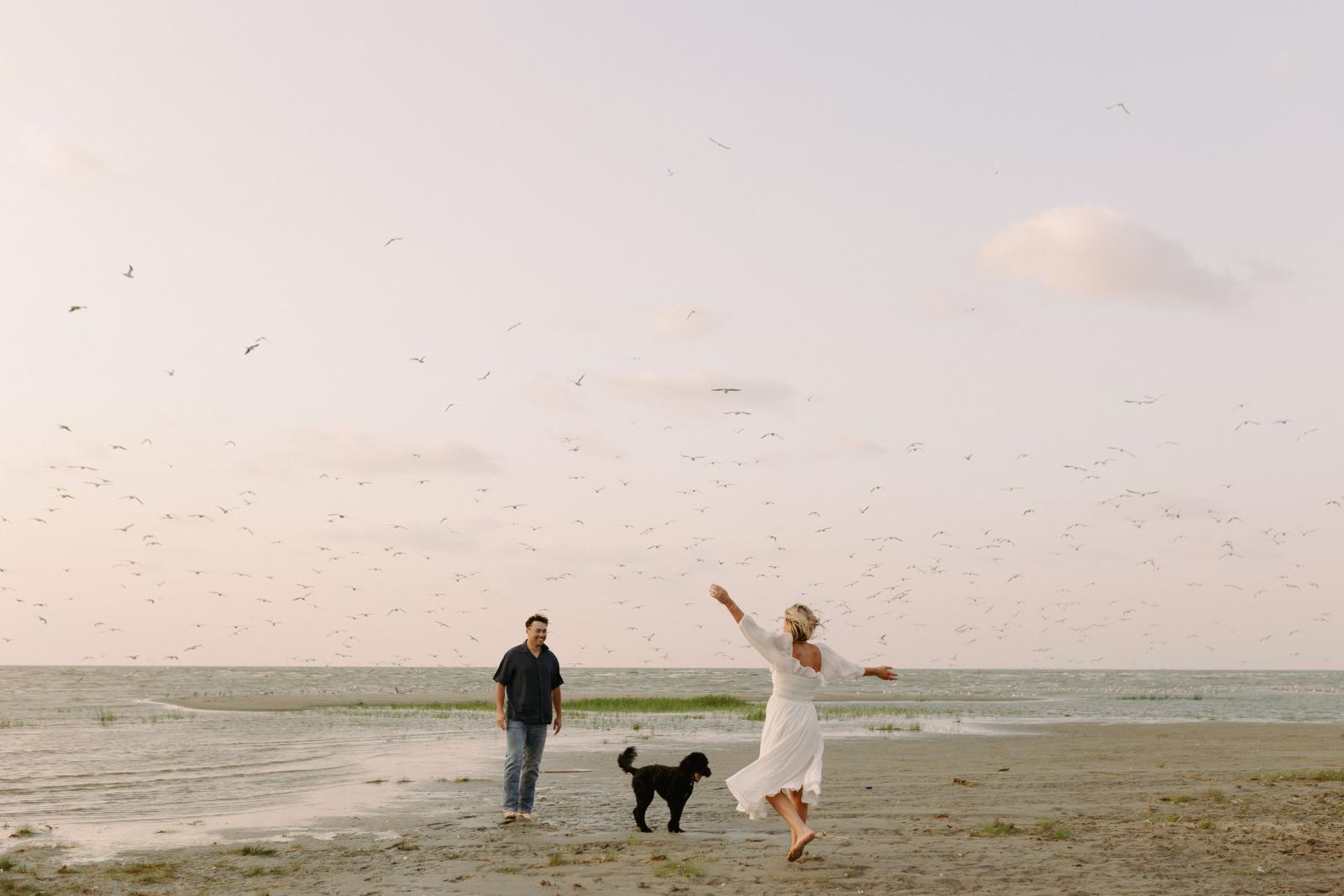
Engagement Sessions: The Natural Extension
Engagement sessions are the most obvious diversification because they're already part of many wedding packages. The question is whether to offer them only as a package inclusion or to market them as a standalone product.
The standalone engagement session serves two audiences: couples who booked a different wedding photographer but want engagement images from someone they admire, and couples who haven't booked a wedding photographer yet and are using the engagement session as a test drive. The second audience is particularly valuable — an engagement session is the lowest-risk way for a couple to experience your work, and a great engagement session becomes the most powerful booking tool for the wedding itself.
The off-season timing aligns perfectly. Most engagement sessions happen in fall or spring — precisely the months when the wedding calendar is lightest. Marketing standalone engagement sessions during September through November and March through May fills the revenue gaps without competing with wedding production time.
Boudoir and Intimate Portraiture
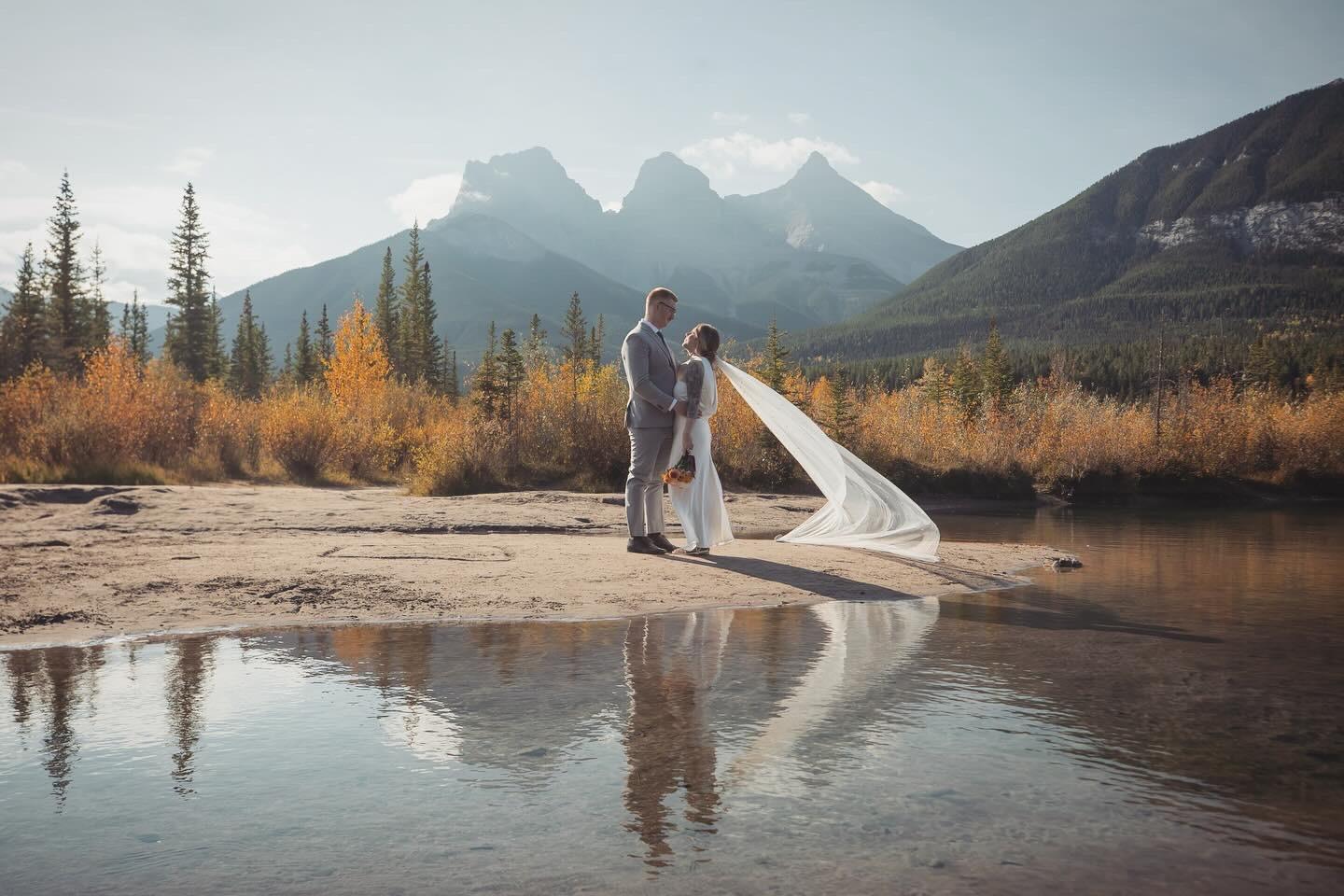
Boudoir photography — intimate, often bridal-adjacent portraiture — is a natural fit for wedding photographers with strong portrait skills and a talent for making clients feel comfortable. The client base overlaps significantly: many boudoir clients are brides or partners preparing wedding gifts, and the comfort and trust-building skills that make a great wedding photographer translate directly.
The business case is strong. Boudoir sessions are typically shorter than weddings, have lower production costs, and can be priced at a per-session rate that yields a higher hourly return than wedding work. The editing time is manageable, and the deliverables — a gallery or a printed album — are straightforward.
The brand consideration matters. Boudoir photography needs to be positioned deliberately, either as a section of the photographer's existing brand or as a distinct but connected offering. Some photographers create a separate brand identity for their boudoir work. Others integrate it into their main portfolio under a "portraits" or "intimate" category. The right approach depends on the photographer's market and comfort level.
Personal Branding and Headshot Photography
The explosive growth of personal branding photography over the last several years has created a revenue stream that barely existed a decade ago. Entrepreneurs, consultants, real estate agents, authors, coaches, and social media professionals all need high-quality images that communicate their brand identity — and they need them refreshed regularly.
Wedding photographers are unusually well-suited to this work. The ability to direct real people — not models — into natural, flattering positions is a core wedding photography skill. The ability to work quickly in varied environments, to read light on location, and to manage the interpersonal dynamics of a portrait session are all directly transferable.
The business model is also attractive. Personal branding sessions can be offered as one-time shoots or as quarterly retainer packages for clients who need regular content refreshes. The retainer model creates recurring revenue — something the project-based wedding calendar doesn't naturally provide.

Family and Lifestyle Photography
Wedding photographers already have a built-in market for family photography: their past wedding clients. A couple who had a great experience with their wedding photographer is the most natural buyer of maternity, newborn, and family session work.
This isn't about becoming a full-time family photographer. It's about serving existing relationships. An annual family session offer to past wedding clients — positioned as a continuation of the story you started on their wedding day — creates a long-term revenue stream with minimal marketing cost, because the trust and familiarity are already established.
The seasonal timing works: family sessions peak in fall (for holiday cards) and spring, complementing the summer wedding season rather than competing with it.
Commercial and Editorial Work
Photographers with a strong editorial eye — and the Canadian Wedding Photography Awards community is full of them — can pursue commercial photography assignments that leverage their existing portfolio.
Venue photography is the most direct crossover. Hotels, event spaces, restaurants, and wedding venues need professional imagery for their marketing, and a photographer whose portfolio already includes stunning images from those spaces is the most credible candidate for the job. This work often leads to ongoing relationships: the venue hires the photographer for seasonal updates, event coverage, or specific marketing campaigns.
Editorial work for wedding publications — styled shoots, feature stories, industry content — builds the photographer's profile while generating income. It's also a networking channel, connecting the photographer with planners, designers, and other vendors who become referral sources for wedding bookings.
Education and Mentoring
Experienced photographers — particularly those with awards, publications, and a recognizable body of work — have value as educators. Workshops, mentoring sessions, online courses, and speaking engagements create revenue from knowledge rather than production.
The educational revenue stream has a unique advantage: it scales differently than production work. A photographer can only shoot a finite number of weddings per year. But a well-structured online course can sell to an unlimited number of students. A workshop can generate more revenue per day than a wedding booking. A mentoring program creates recurring income from a small number of committed students.
The credentialing dimension matters here. A photographer who teaches carries more authority when their teaching is backed by demonstrable professional achievement — awards, publications, a body of recognized work. This is where investment in professional recognition compounds: the same credentials that help book weddings also support the educator brand.
What Not to Do
Diversification fails when it becomes fragmentation. A photographer who offers weddings, headshots, real estate photography, product photography, pet portraits, and event coverage isn't diversified — they're scattered. Their brand communicates "I'll shoot anything," which undermines the premium positioning that wedding photography demands.
The rule: every additional revenue stream should strengthen the primary brand, not dilute it. Engagement sessions, boudoir, and branding photography all share the core skills and aesthetic of wedding work. Real estate photography and product shoots don't. The former diversify. The latter fragment.
Similarly, diversification should address the time problem, not create a new one. Adding revenue streams that compete with wedding season production — taking on branding clients during July when you're already shooting three weddings a week — doesn't solve the seasonal vulnerability. It creates burnout.
The goal is strategic: build revenue streams that fill the off-season, serve adjacent markets, and reinforce the photographer's positioning as a premium creative professional. That combination strengthens the entire business rather than stretching it thin.
Continue the series
This is the eighth article in The Business of Wedding Photography series. Next: Peak Season, Off-Season: How to Build a Year-Round Photography Business in Canada.