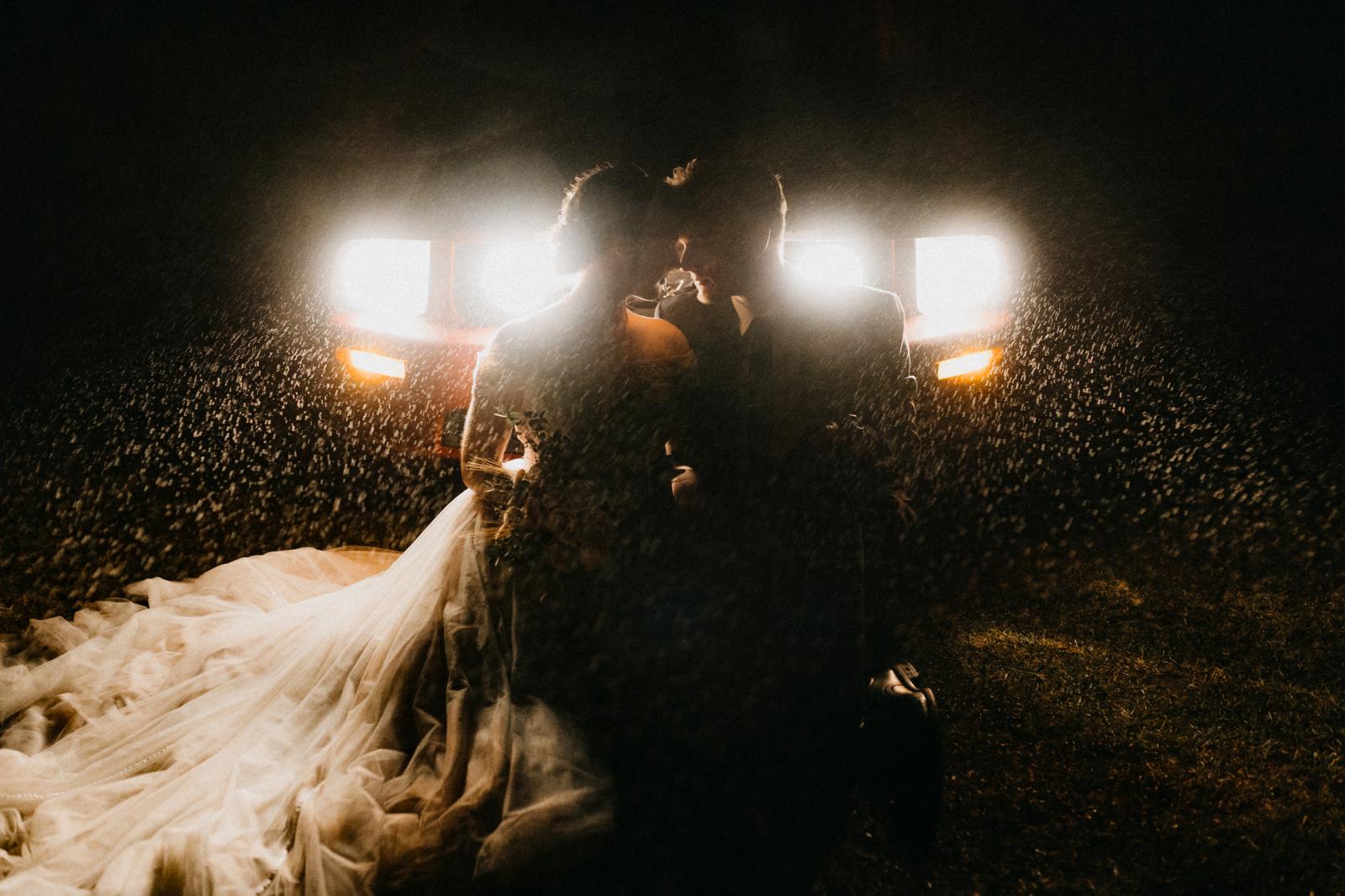
Finding Your Style Without Losing Yourself: The Authenticity Problem in Wedding Photography
"There's no value in chasing trends if it means not booking as much."
That's a more radical statement than it sounds. The wedding photography industry runs on trends. Dark and moody was the look for a while. Then light and airy. Then film emulation. Then desaturated earth tones. Each trend sweeps through Instagram, gets adopted by the photographers who want to look current, and eventually fades when the next one arrives.
The photographers who chase these trends often see short-term gains — their work looks like what's popular right now, which attracts clients drawn to that look. But they also face a recurring crisis: every time the trend shifts, they have to reinvent their brand. They're always starting over. They never develop the distinctive voice that makes a client say, "I knew it was your work before I saw the name."
The photographers who don't chase trends face a different problem: the fear that they'll be left behind. That their "timeless" approach will start to look dated. That staying true to their instincts means staying still while the industry moves past them.
Neither extreme works. The answer is somewhere in the middle, and finding it is one of the most important creative challenges in a wedding photographer's career.
This is the seventh article in our Art of Wedding Photography series.
What "Style" Actually Means
Style isn't a preset. It isn't a colour palette. It isn't a specific editing approach, though all of those things can be expressions of style.
Style is the sum total of every creative decision a photographer makes — what they choose to shoot, what they choose to ignore, how close they stand, how much they direct, how they read light, how they process the image, and what they deliver versus what they leave on the hard drive. It's the editorial filter through which a photographer sees and presents the world.
A photographer's style reveals itself in patterns. When you look at a hundred of their images, you start to see recurring choices — a preference for wide compositions or tight crops, warm tones or cool ones, environmental portraits or intimate close-ups. These patterns aren't always conscious. They emerge from what the photographer is naturally drawn to, which is itself a product of their personality, their visual influences, their technical habits, and their philosophical approach to what a photograph should do.
That's why style is so personal, and why copying someone else's style never works for long. You can replicate their editing. You can't replicate the hundred unconscious decisions they make at every wedding that produce the raw material for that editing.
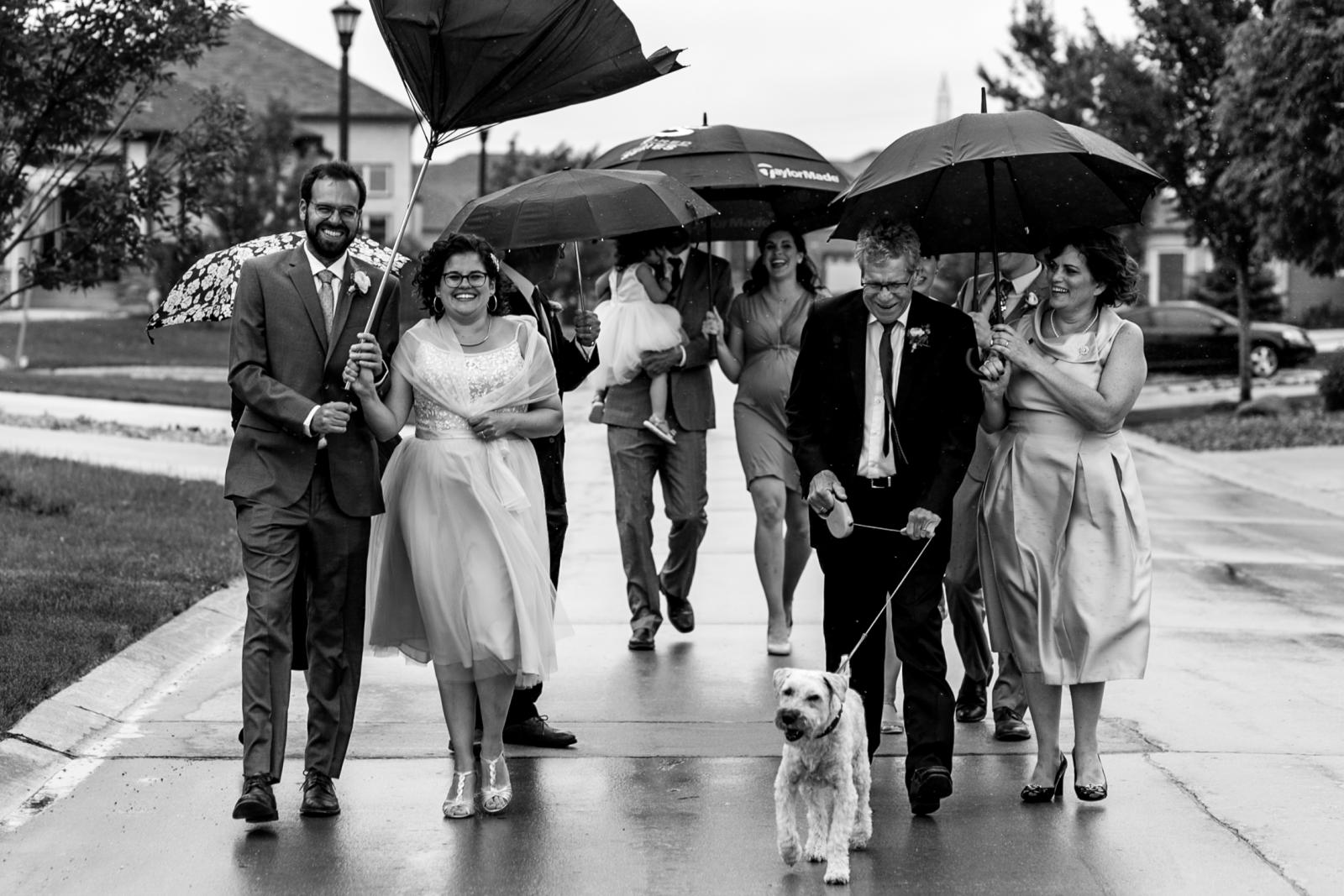
The Trend Trap
"I tweak the way I edit every year because I find appreciation in new things."
There's a difference between tweaking and overhauling. The photographer who quoted those words isn't reinventing their style annually. They're refining it. They're incorporating new techniques, adjusting their colour science, responding to shifts in their own taste — without abandoning the core of what makes their work recognizable.
The trend trap catches photographers who confuse refinement with reinvention. They see a new aesthetic gaining traction, they overhaul their editing to match, they rebrand their Instagram, and six months later they do it again when the next look takes over. Their portfolio becomes a timeline of borrowed aesthetics rather than an expression of who they are.
The danger isn't just creative. It's commercial. A client who books you because they loved your moody, dark portfolio will be confused when you deliver bright, airy images because you changed your style between the booking and the wedding. Consistency isn't stagnation — it's a promise. The client is hiring the photographer they saw in the portfolio.
Experiment With Things, But Don't Lose Sight of Authenticity
The healthiest approach to style development is what we might call anchored experimentation. You have a core — the set of creative instincts and preferences that feel naturally yours — and you experiment outward from that core without cutting the anchor.
This means trying new techniques without committing to them permanently. Shooting a wedding with a different lens to see how the perspective changes your compositions. Experimenting with a new editing approach on a personal project before applying it to client work. Studying photographers whose work you admire and understanding why it works, without cloning their output.
The key distinction is motivation. Are you experimenting because you're genuinely curious about a new approach? Or are you experimenting because you saw it working for someone else and you're afraid of being left behind? The first motivation produces growth. The second produces anxiety and derivative work.
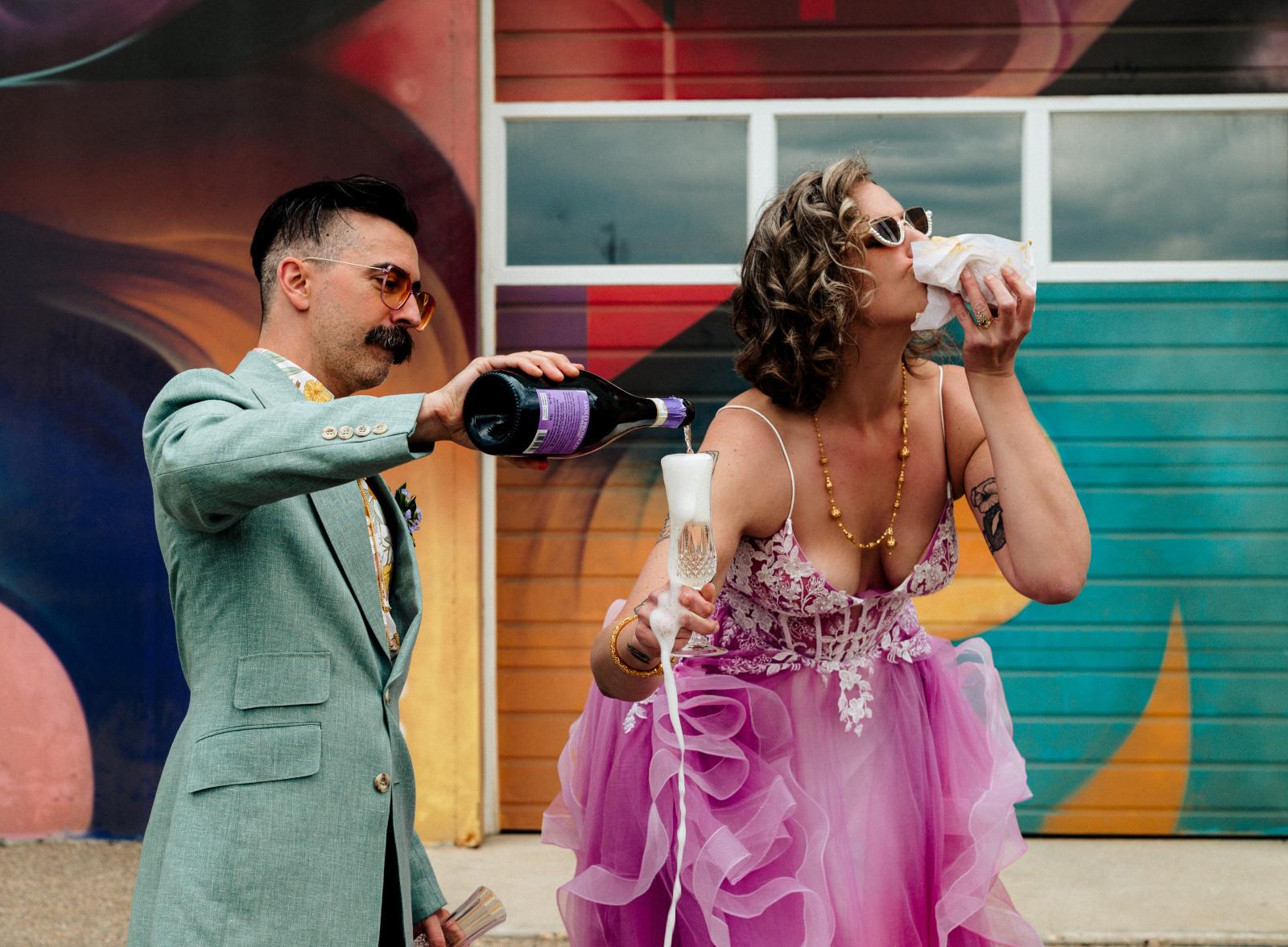
How Style Develops Over Time
No photographer starts with a fully formed style. It develops in stages, and understanding the stages helps.
Early career (0-50 weddings): Style is mostly unconscious. You're focused on technical competence — getting the exposure right, managing the timeline, delivering a complete gallery. Your creative choices are driven more by what works than by what you prefer. This is the learning phase, and the best thing you can do is shoot as much as possible and pay attention to which images you're most proud of. Those are the seeds of your style.
Middle career (50-200 weddings): Style starts to crystallize. You notice your own patterns. You develop preferences about lens choice, distance, composition, and editing that you can articulate. You start to reject approaches that don't feel right, even if they're popular. This is the definition phase — you're figuring out what your voice actually sounds like.
Mature career (200+ weddings): Style is established but not static. You know who you are as a photographer. The experimentation now happens within a framework rather than searching for one. Your editing evolves, your compositions get more confident, your instincts sharpen — but the core identity remains stable. Clients hire you because they know exactly what they're getting, and it's something nobody else provides.
The photographers who struggle most are the ones who try to skip from early to mature — who manufacture a distinctive style before they've shot enough weddings to know what they actually prefer. A forced style is brittle. A discovered style is durable.
The Authenticity Test
There's a simple test for whether your style is authentic or borrowed: can you defend it?
Not to a client. To yourself. When you make a creative choice — to shoot wide instead of tight, to edit warm instead of cool, to include the messy background instead of cropping it out — can you explain why? Not in technical terms, but in terms of what you believe a wedding photograph should do and feel?
If the answer is "because it's what everyone else is doing," the choice isn't yours. If the answer is "because I believe the environment is part of the story and cropping it out makes the image less honest," that's your voice talking.
The best wedding photographers have strong opinions about their work. They can tell you why they prefer natural light over flash, why they shoot at a certain focal length, why they process images a certain way. These opinions aren't rigid — they evolve — but they're rooted in something personal. They're expressions of a worldview, not compliance with a trend.
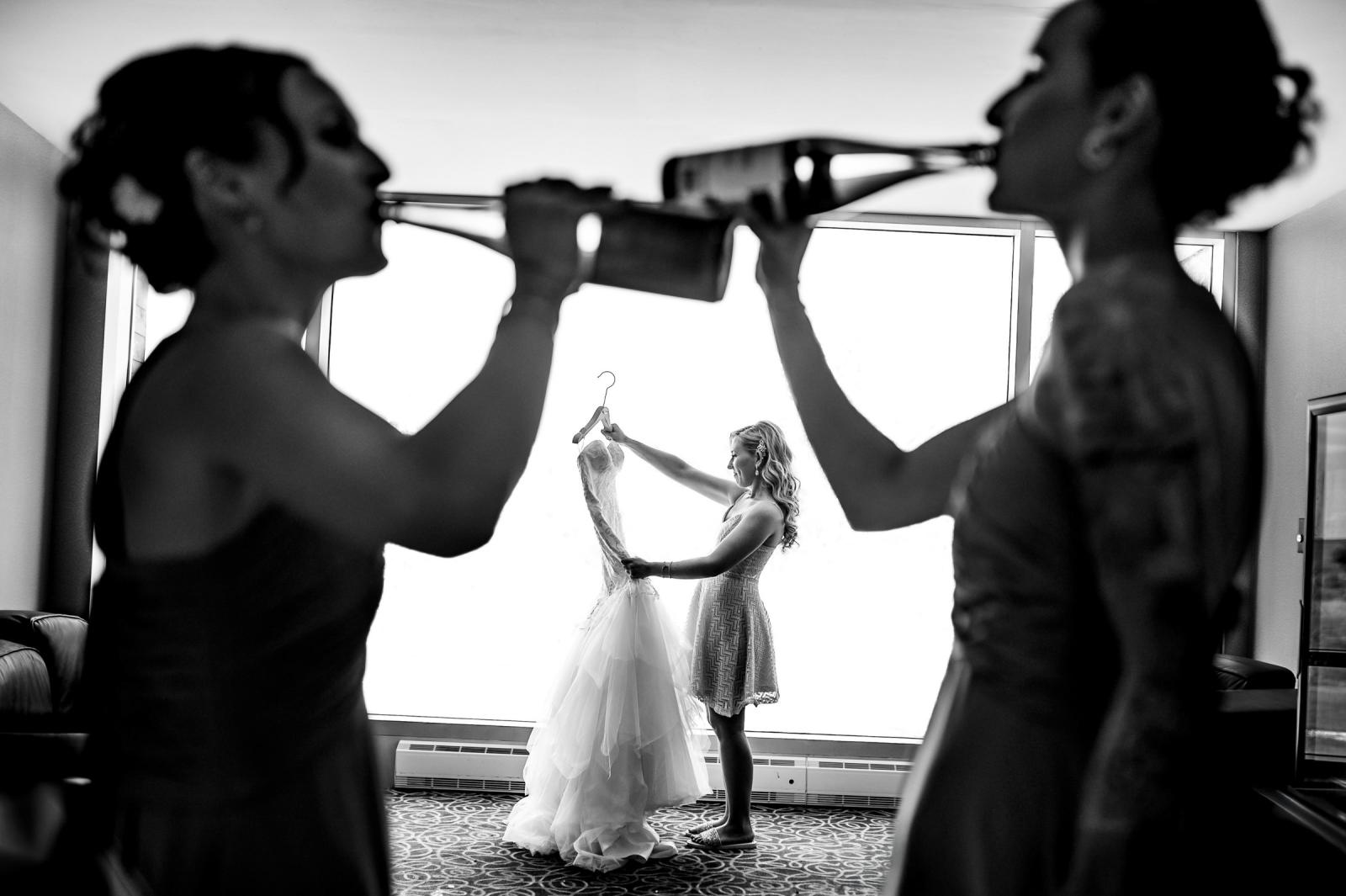
Balancing Authenticity and Commercial Viability
The tension that every working photographer navigates is this: your authentic style might not be what the market wants right now. The aesthetic that feels most natural to you might not match the dominant Instagram trend. Your way of seeing might not produce the images that currently get the most engagement.
This tension is real, and there's no easy resolution. But there are two observations that help.
First, trends cycle. The aesthetic that's out of favour now will come back around. The photographers who maintained their voice through the dark-and-moody era and the light-and-airy era are now being celebrated for consistency. The market rewards authenticity in the long run, even when it punishes it in the short run.
Second, the right clients find the right photographers. A distinctive style acts as a filter. It repels clients who want something generic and attracts clients who connect with your specific way of seeing. Those clients are better clients — they trust your creative judgment, they don't request a different editing style mid-contract, and they refer you to people with similar taste.
The commercial risk of authenticity is real but overstated. The commercial risk of inauthenticity — of being interchangeable with every other photographer chasing the same trend — is worse.
Your Style Is Your Competitive Advantage
In a market where every photographer has access to the same cameras, the same lenses, the same editing software, and the same online education, the only truly defensible competitive advantage is perspective. The way you see. The choices you make. The voice that emerges from a thousand accumulated creative decisions that nobody else has made in exactly the same sequence.
That's your style. And the Canadian Wedding Photography Awards exist to recognize it — not to reward photographers who follow trends, but to celebrate the ones whose work is distinctive enough to stand apart in a field of thousands.
Protect the thing that makes your work yours. Everything else can be learned.
Continue the series
This is the seventh article in The Art of Wedding Photography series. Next: What You Learn from the Disasters.
Find photographers with distinctive voices in the CWP member directory.