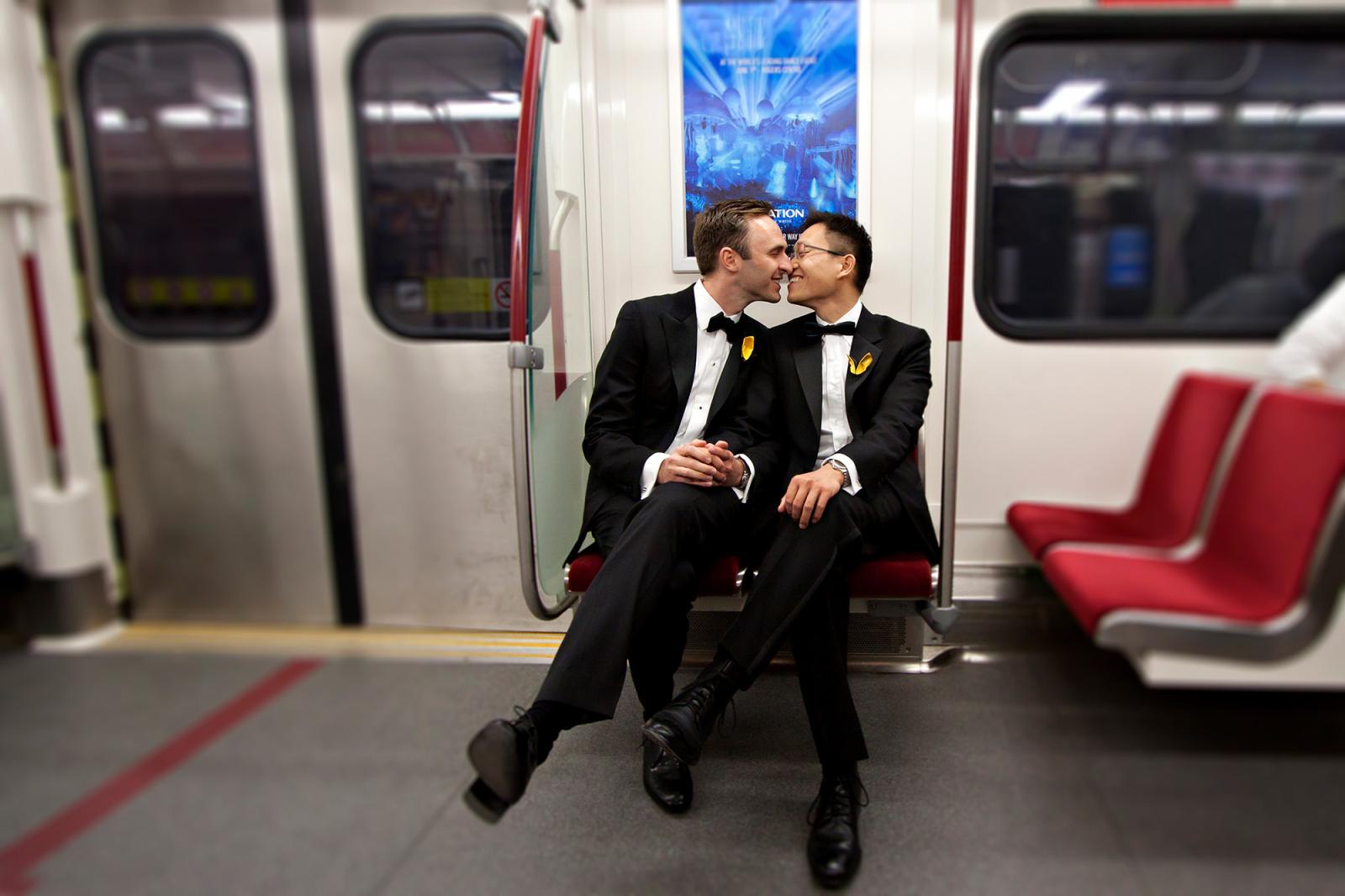
Guiding the Uncertain: How to Help Couples Articulate a Vision They Can't Yet Describe
"Clients don't always know what they want — they just want to feel understood."
A couple sits down for a consultation. You ask what they're looking for in their wedding photography. They pause. They glance at each other. And then one of them says something like: "We just want it to feel... real. Like, natural? But also, you know, beautiful. We saw some photos on Instagram that we loved but we can't really explain why."
This moment — the moment of articulate uncertainty — is where most consultations stall. The photographer nods, shows their portfolio, and hopes the images do the talking. Sometimes they do. Often they don't, because the couple is looking at beautiful images without a framework for understanding how those images connect to their own wedding, their own relationship, their own vision.
The photographer who can guide a couple through this uncertainty — who can help them discover and articulate what they actually want — provides a service that goes far beyond photography. They become a creative advisor. And that advisory role is one of the most powerful differentiators in the premium market.
This is the second article in our Luxury Client Experience series.
Why Couples Can't Describe What They Want
The inability to articulate a photography vision isn't a failure on the couple's part. It's a reasonable consequence of the situation they're in.
Most couples have never hired a photographer before. They've never thought about photography in terms of style, approach, lighting philosophy, or editorial versus documentary orientation. They consume photographs constantly — on Instagram, on Pinterest, on wedding blogs — but they consume them passively, responding emotionally without analyzing what creates the response.
When asked to describe what they want, they reach for borrowed vocabulary: "candid," "timeless," "natural," "editorial." These words mean different things to different people. "Candid" to one couple means unposed photojournalism. To another, it means posed photos that look unposed. "Timeless" to one couple means black-and-white film aesthetic. To another, it means clean and bright with no trendy editing.
The photographer who accepts these words at face value and assumes shared understanding is building the creative relationship on ambiguity. The photographer who gently interrogates them — who helps the couple discover what they actually mean — is building it on clarity.
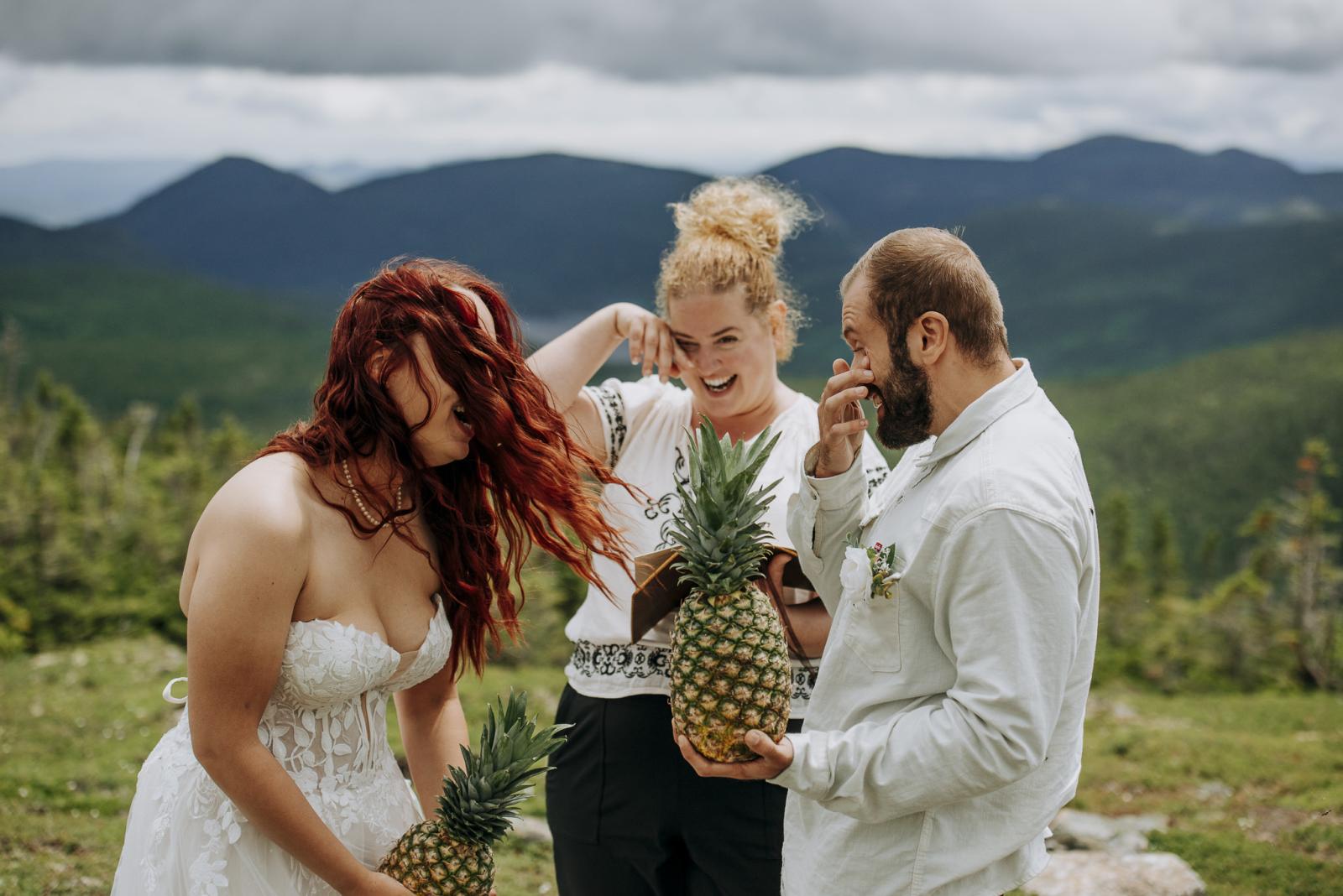
The Guided Discovery Process
Guiding the uncertain isn't about telling the couple what they want. It's about asking the right questions and listening with enough skill to identify the patterns in their responses.
Start with feelings, not aesthetics. Don't ask "what style of photography do you like?" Ask "when you imagine looking at your wedding photos a year from now, what do you want to feel?" This question bypasses the vocabulary problem entirely. The couple doesn't need to know the difference between documentary and fine art. They just need to know that they want to feel joy, or intimacy, or grandeur, or calm. That emotional target gives the photographer everything they need to align their approach.
Use images as a language. Show the couple a curated selection of your work — not your full portfolio, but five to eight images that represent different moods, styles, and moments. Ask them which ones they respond to and, critically, why. "I love that one" is the beginning of the conversation, not the end. "I love that one because it feels quiet and private, like the photographer wasn't even there" tells you something essential about what this couple values.
Listen for the negative space. What couples say they don't want is often more revealing than what they say they do want. "We don't want anything too posed" suggests they value spontaneity and authenticity. "We don't want anything too dark or moody" narrows the aesthetic immediately. "We don't want the photographer to be in our faces all day" tells you something about their comfort with being directed. The negative space defines the boundaries; the positive preferences fill them.
Reflect back what you hear. Once you've gathered enough information, synthesize it and reflect it back: "It sounds like what matters most to you is capturing the feeling of the day — the quiet moments, the energy of the party, the way you two actually interact — without a lot of staged or directed work. You want it to feel real, and you want the images to be warm and bright rather than dramatic." When the couple hears their own vision articulated clearly for the first time, two things happen: they feel understood, and they trust you.
The Consultation as Design Service
In the premium market, the consultation isn't a sales meeting. It's a design service — the first stage of a creative collaboration where the photographer helps the couple shape a vision for how their wedding will be photographed.
"People buy from people, not businesses." The photographer who conducts this kind of guided discovery isn't selling a product. They're demonstrating a capability. The couple experiences, in real time, what it's like to work with someone who listens deeply, asks intelligent questions, and translates vague feelings into concrete creative plans. That experience is itself the most compelling pitch for hiring the photographer.
This is also where the premium photographer differentiates from the mid-range competitor. The mid-range photographer shows a portfolio and discusses packages. The premium photographer co-creates a vision. The difference in approach communicates a difference in the experience the couple can expect throughout the entire relationship — from engagement session through wedding day through delivery.
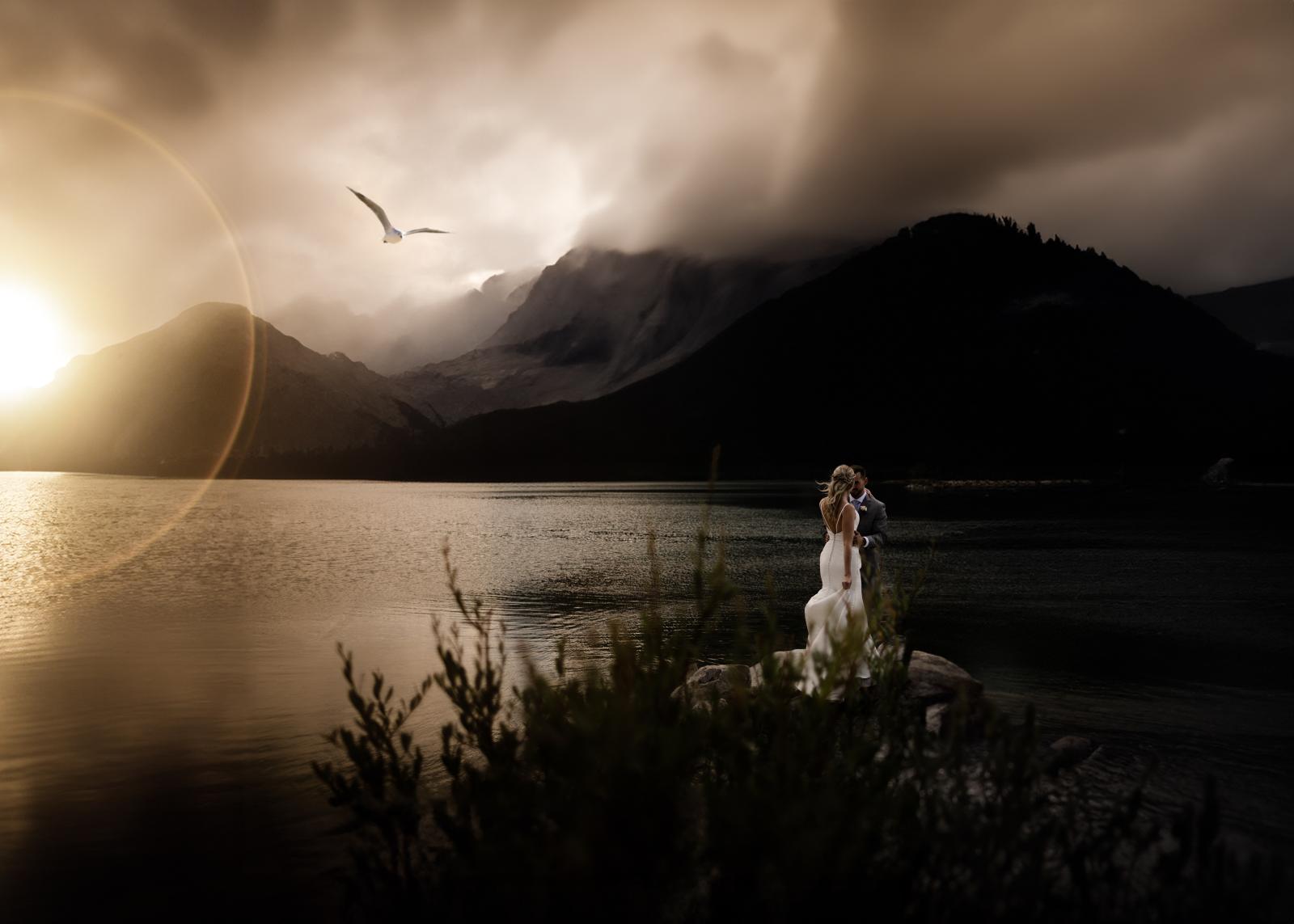
Building the Creative Brief
The guided discovery process should conclude with something concrete: a creative brief that captures the couple's vision in language they recognize and the photographer can execute against.
This doesn't need to be a formal document. It can be a few paragraphs in a follow-up email: "Based on our conversation, here's what I'm envisioning for your day..." The brief describes the emotional priorities (intimacy, joy, energy), the aesthetic preferences (warm, natural, minimal processing), the key moments the couple wants emphasized, and any specific concerns or requests.
The brief serves three purposes. First, it gives the couple confidence that they've been heard. Second, it gives the photographer a reference point for creative decisions on the wedding day. Third, it creates a shared language for the relationship — so that when the photographer sends the gallery, the couple can evaluate it against a vision they helped create rather than an expectation they never articulated.
When the Vision Evolves
The initial consultation establishes a baseline, but the couple's vision often evolves as the wedding planning progresses. The engagement session, the venue walk-through, conversations with their planner — each of these experiences refines what the couple wants.
The premium photographer stays attuned to this evolution. Check-in conversations in the months before the wedding — casual, low-pressure, framed as "I've been thinking about your ceremony space and wanted to share some ideas" — keep the creative vision alive and current. These conversations also deepen the relationship, so that by the wedding day, the photographer and couple have the kind of trust and familiarity that produces genuinely intimate, unguarded images.
"Everybody loves to talk about themselves. It's human nature." The couple who feels that their photographer is genuinely interested in their vision — not just at the consultation, but throughout the planning process — becomes the couple who trusts the photographer completely on the wedding day. And trust is where the best images live.
Continue the series
This is the second article in The Luxury Client Experience series. Next: Speed and Soul: Why Your Response Time Matters More Than Your Portfolio.