Light as Language: How Canada's Best Wedding Photographers Read and Chase Natural Light
Ask a wedding photographer what they notice first when they walk into a venue, and the answer is almost never the décor. It's the light. Where it's coming from, what it's doing to the walls, how it'll change in two hours when the sun shifts. Before they've thought about composition or timing or lens choice, they've already mapped the room by what the light is telling them.
"I do tend to follow the light," is how one photographer put it. Not metaphorically. Literally. The light moves, they move with it. The light changes, they change their approach. The light disappears behind a cloud bank over Lake Ontario or drops behind the Rockies, and they're already adjusting — not panicking, because they saw it coming.
This is the second article in our Art of Wedding Photography series. If the first piece was about developing the eye, this one is about learning the language that eye speaks most fluently.
Why Natural Light Is the Wedding Photographer's First Language
Flash is a tool. So are reflectors, video lights, and off-camera strobes. Professional wedding photographers know how to use all of them. But the images that tend to end up framed on walls — the ones that feel rather than just document — are overwhelmingly made with natural light.
The reason is emotional authenticity. Natural light is the light people actually experienced on their wedding day. It's the soft grey of a rainy November ceremony in Vancouver. The aggressive golden hour flooding through the windows of a prairie grain elevator. The flat, even overcast that makes a Nova Scotia coastline look like a film set. When the photographer works with what's already there, the resulting image doesn't just show what happened — it feels like what happened.
Artificial light is additive. You're imposing something on the scene. Natural light is the scene. Working with it requires a different skill set: reading rather than building, responding rather than controlling.
Reading Light: What Photographers Actually See
When a photographer says they "read" the light, they mean something specific. They're assessing several things simultaneously, and they're doing it constantly — not once at the start of the day, but every few minutes as conditions change.
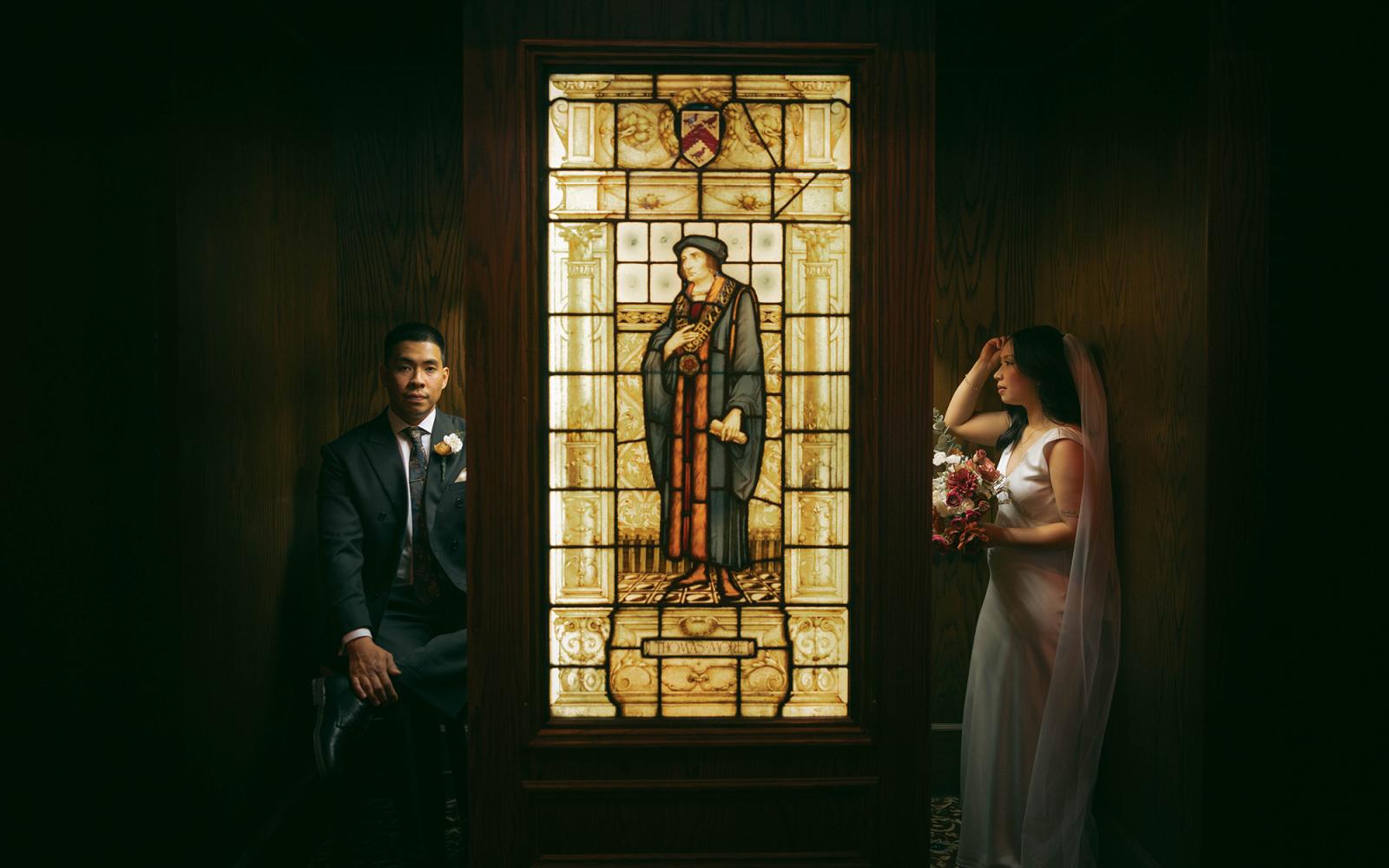
Direction is the most obvious variable. Front light flattens. Side light sculpts. Backlight separates the subject from the environment and creates the rim glow that makes hair look like it's on fire. Most wedding photographers develop a strong preference — many favour backlight for portraits because it creates depth and makes the couple pop against the background — but the best ones adapt their preference to what the venue and weather actually offer.
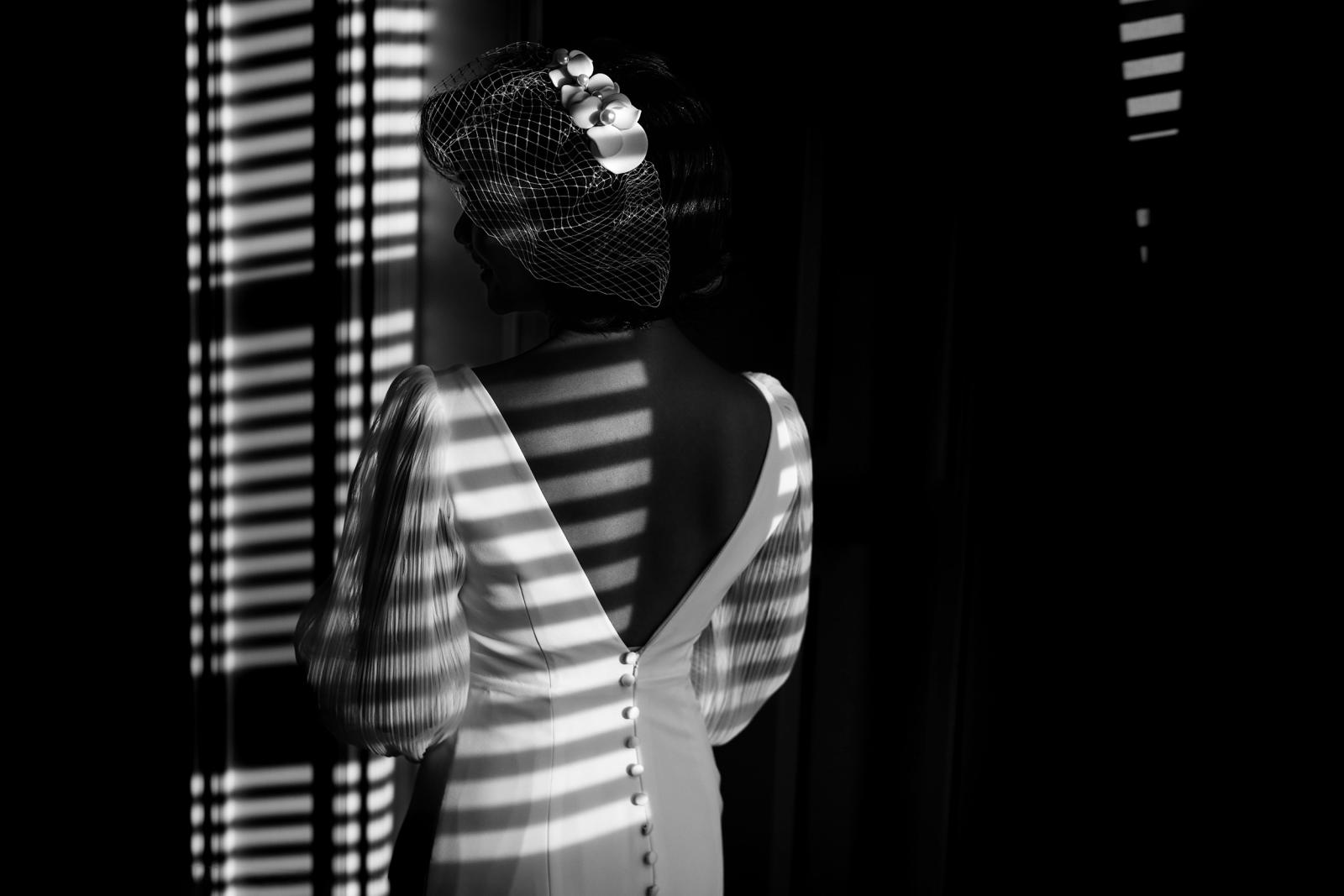
Quality is harder to articulate but easier to feel. Hard light from direct sun creates sharp shadows and high contrast — dramatic, but unforgiving on skin. Soft light from overcast skies or diffused through sheer curtains is gentler, more even, more flattering. A photographer walking into a bridal suite isn't just looking for the window — they're looking at what's between the subject and the window. A sheer curtain transforms harsh afternoon sun into the soft, directional light that makes getting-ready portraits look effortless.
Colour shifts throughout the day. Morning light is cooler. Golden hour is warm. The mixed lighting inside a reception hall — tungsten chandeliers, LED uplighting, candles, the blue spill from a winter window — is the most technically challenging environment a wedding photographer faces. Reading colour means knowing what your white balance should be, but it also means knowing when to let the colour be wrong on purpose, because the warm glow of candlelight is the point, and "correcting" it kills the mood.
Intensity determines your camera settings, but more importantly it determines your options. Abundant light gives you choices — deep depth of field, fast shutter speeds, low ISO for clean files. Low light narrows those choices and forces tradeoffs. A photographer who reads intensity well knows what they can and can't do before they touch a dial.
Chasing Light: Working With What Canada Gives You
Canada is not one lighting environment. It's a dozen, and they change by season, province, and hour.
A June wedding in the Okanagan gives you fourteen hours of usable light and a golden hour so long and warm that it practically begs for vineyard portraits. A December wedding in Winnipeg gives you eight hours of daylight, much of it low and blue, with golden hour arriving mid-afternoon when the couple is still in the ceremony.
Coastal British Columbia delivers the kind of soft, diffused light that portrait photographers dream about — overcast skies acting as a giant softbox — but it also delivers rain, which means knowing how to work with wet surfaces, reflections, and the particular beauty of backlit rain.
The Prairies offer enormous skies and unobstructed horizon lines, which means golden hour light that stretches sideways across the landscape and creates the long, dramatic shadows that make a wheat field look like a movie location. But prairie sun at noon is brutal — flat, overhead, and unforgiving. A photographer who works in Saskatchewan knows that the two hours after sunrise and the two hours before sunset are where the magic lives, and plans accordingly.
Ontario's mix of urban and rural venues creates constant light transitions. A Toronto photographer might go from the controlled window light of a downtown hotel suite to the harsh midday sun of a rooftop ceremony to the dim, atmospheric interior of a Distillery District reception — all in the same day. Reading and adapting is the entire job.
The best Canadian wedding photographers don't complain about the light they're given. They develop an intimate familiarity with their region's patterns and plan around them. They know where the sun will be at 4pm in September at their favourite park. They know which side of the church the windows face. They've already mentally scouted a venue before they walk through the door, because they checked the orientation on Google Maps and the weather forecast three times.
The Moments Light Creates
Sometimes the light does the work for you. A shaft of sun cutting through a church window during the vows. The last golden light of the day catching the couple's exit through a doorway. The prisms and orbs that appear when you shoot into the sun at the right angle — unplanned, unrepeatable, and impossible to manufacture.
"I love when I get prisms and orbs," a photographer once told us. "There's a tendency toward that." Not by accident. By positioning. By knowing that if you stand in the right place relative to the light source, the lens will do something unpredictable and beautiful. It's controlled spontaneity — putting yourself in the path of something you can't fully predict, and being ready when it arrives.
These moments are why wedding photographers watch the light obsessively. Not because they're technical perfectionists, but because the light hands them gifts throughout the day, and missing one means it's gone. The sun doesn't do a second take.
When the Light Isn't There
Not every wedding is bathed in golden hour. Some of the most powerful wedding images are made in flat, grey, seemingly unflattering conditions — because the photographer understood that the absence of dramatic light is its own creative opportunity.
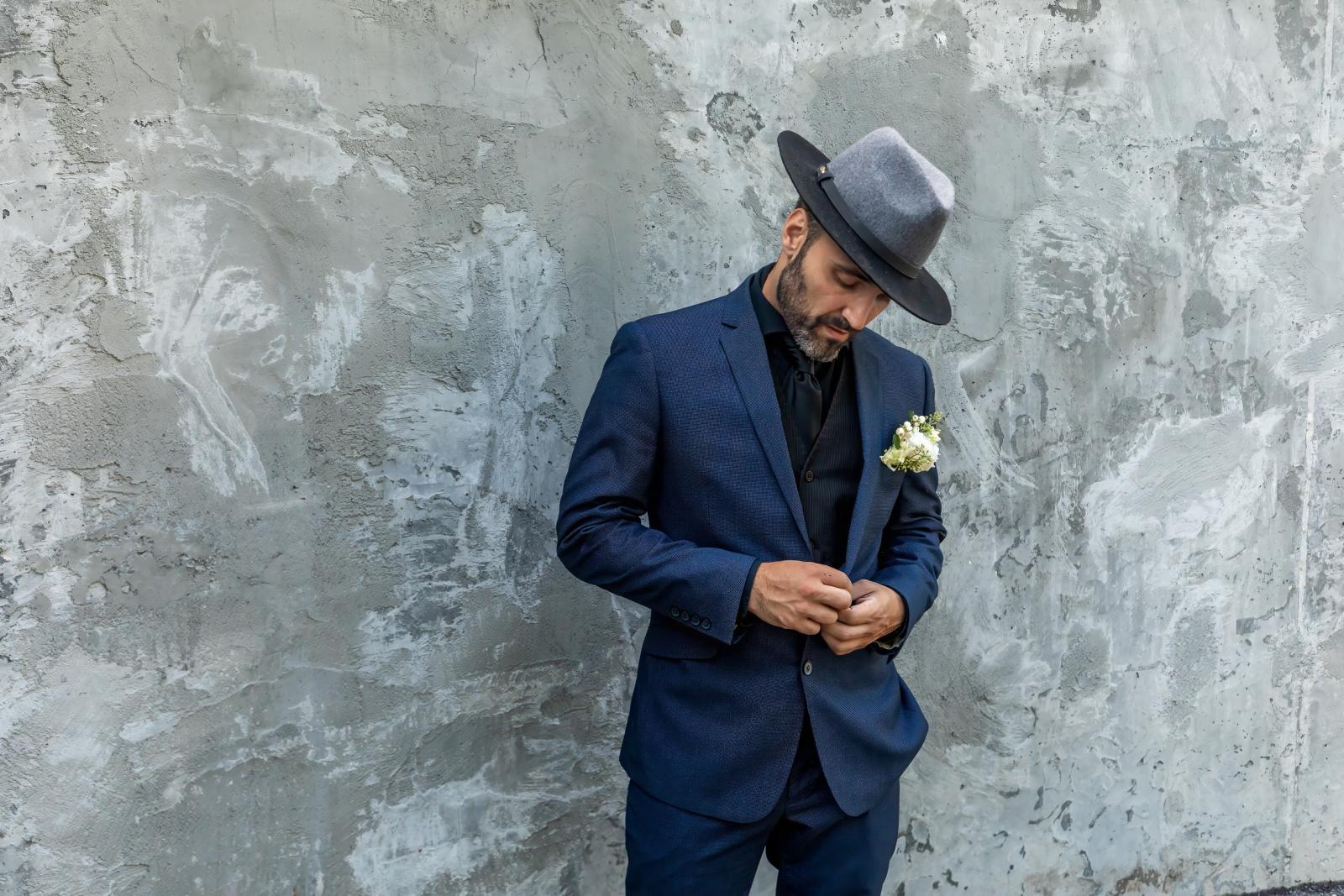
Overcast light is even, which means skin looks great without intervention. It means backgrounds don't blow out. It means you can shoot in any direction without worrying about harsh shadows. Many portrait and wedding photography styles — particularly the documentary approach — thrive in flat light because it keeps the focus on the human moment rather than the atmospheric drama.
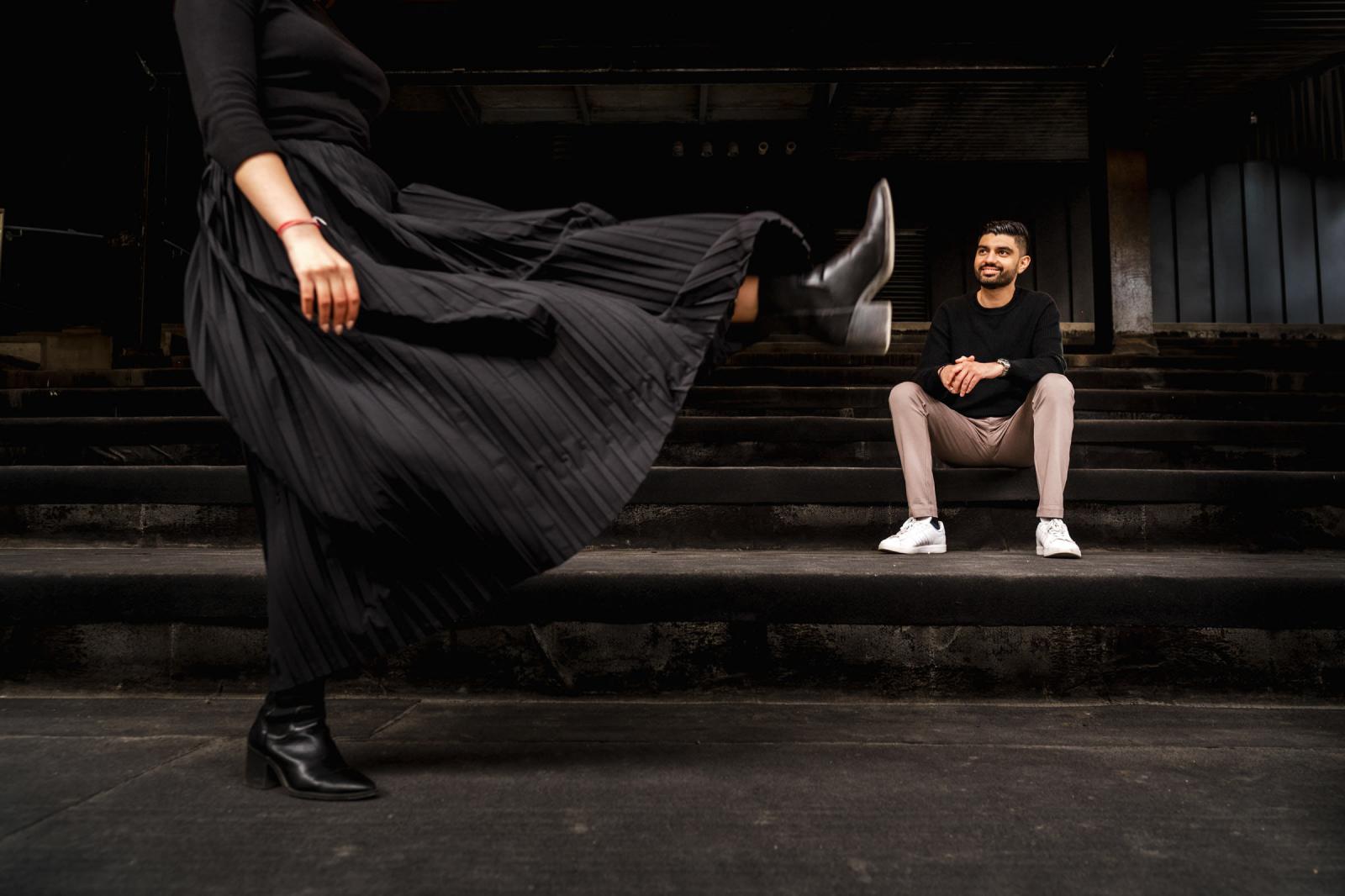
And then there's the reception, where natural light gives way entirely to whatever the venue provides. This is where technical skill becomes non-negotiable — reading mixed artificial sources, knowing when to use flash and when to embrace the available darkness, understanding that a dance floor lit by a single spotlight can produce images more emotional than anything the golden hour offered.
The photographer who speaks light as a language doesn't require perfect conditions. They require the ability to read what's there and respond to it truthfully.
Learning the Language
Light literacy isn't learned from YouTube tutorials or gear reviews. It's learned by shooting — thousands of hours in hundreds of different conditions, building a mental library of what light does in which situations.
It's learned by failing. By arriving at a venue and discovering the window you planned around is blocked by a delivery truck. By losing the golden hour to an unexpected cloud bank. By working a reception where the DJ's uplighting turns every skin tone green. Each failure teaches you something that a success never would.
And it's learned by looking — not at other photographs, but at light itself. The photographers who speak this language most fluently are the ones who notice light when they're not working. In a grocery store. On a Tuesday. Walking through a parking garage. They see a shaft of light hitting a concrete wall and they think, involuntarily, "I could make something with that."
That's the language. And once you learn to speak it, you never see a wedding the same way again.
Continue the series
This is the second article in The Art of Wedding Photography series. Next: The Beauty of Outtakes: Why the Unplanned Moments Are Often the Best Ones.
Find a photographer whose work speaks the language of light in your region — browse the CWP member directory.