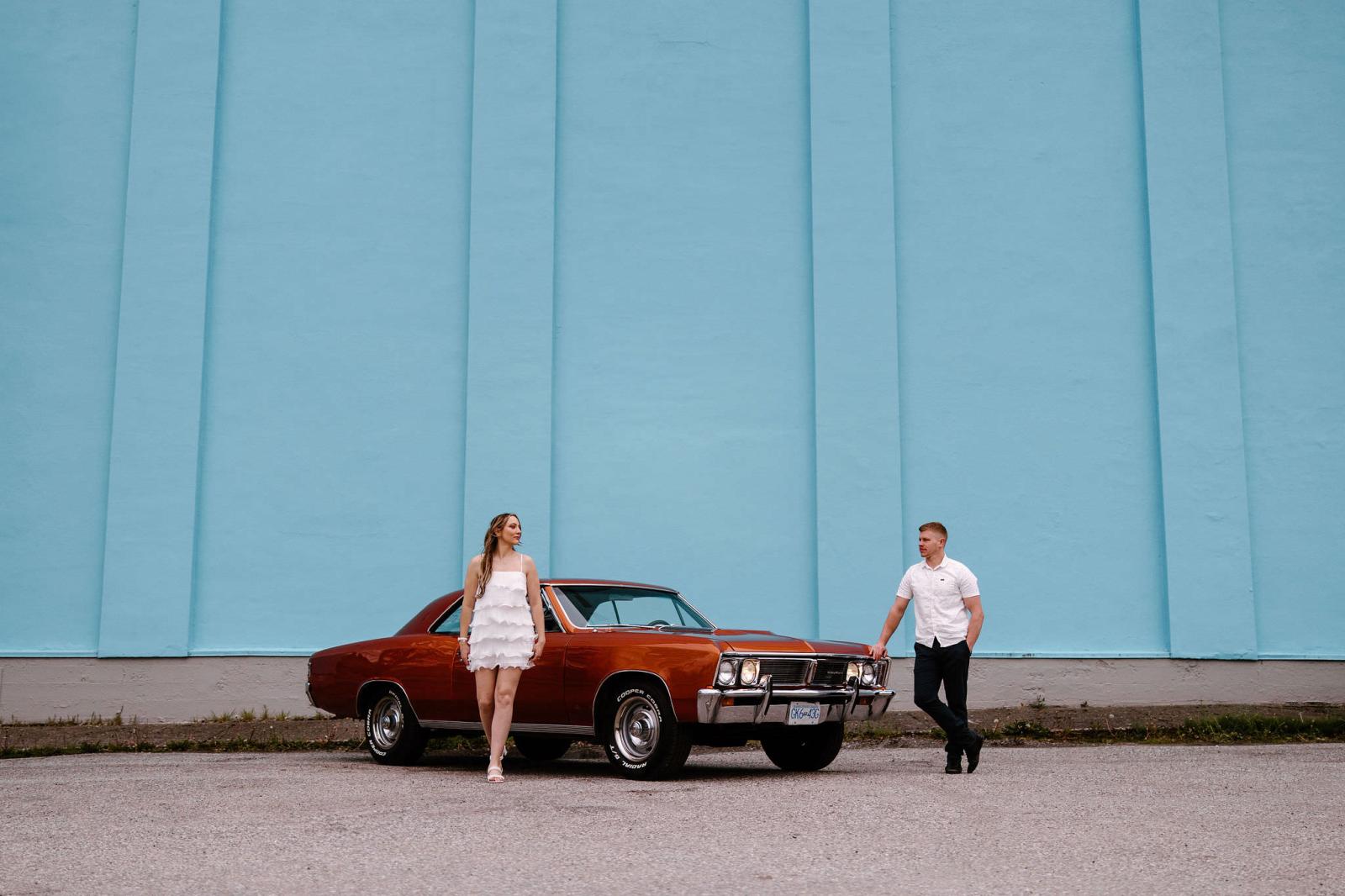
Should You Show Your Prices? The Case for Transparency in Wedding Photography
Few topics in the wedding photography industry generate more heated debate than this one: should you put your prices on your website?
The anti-transparency camp argues that publishing prices commoditizes the service, invites comparison shopping, and eliminates the opportunity to communicate value before the number lands. The pro-transparency camp argues that hiding prices wastes everyone's time, signals insecurity, and alienates a generation of clients who won't even send an inquiry if they can't find a starting price.
Both sides have legitimate points. But the conversation has shifted meaningfully in the last few years, and the data — both from consumer behaviour research and from the experiences of photographers who've made the switch — increasingly favours transparency.
This is the second article in our Business of Wedding Photography series.
Why Photographers Hide Their Prices
The traditional argument for keeping prices off the website is straightforward: if a couple sees a number before they understand the value behind it, they'll judge the number in a vacuum. They'll compare it to the photographer down the street who charges less. They'll experience sticker shock. And they'll leave without ever learning what makes your work different.
The consultation, in this model, is where the magic happens. You get the couple on a call or in a meeting. You learn about their wedding. You show them relevant work. You explain your process, your experience, your approach. By the time the price comes up, they understand what they're buying, and the number feels justified.
This model works. It has worked for decades. But it depends on a critical assumption: that the couple will request a consultation before they have pricing information. And that assumption is increasingly wrong.
How Modern Couples Actually Shop
"They ask about rates not because they don't care but because they've learned to filter out fluff."
The couple planning a wedding in 2026 has grown up in a world of instant information. They compare prices on everything. They read reviews before buying a $30 kitchen tool. The idea that they'd commit to a sales call before knowing whether a service is in their budget feels, to them, absurd.
Research consistently shows that the majority of wedding couples visit a photographer's website and, if they can't find pricing information within the first few page views, leave without making contact. They don't leave because they can't afford the photographer. They leave because the absence of pricing information feels like a barrier — and they have twenty other photographers to check who don't have that barrier.
The younger generation of clients has been conditioned by transparency. They expect it in every transaction, and they interpret its absence as either evasiveness or a sign that the price will be higher than they want. Neither interpretation helps the photographer.
The Filtering Argument
"Being upfront about your pricing weeds out mismatched clients and builds trust with the right ones."
One of the strongest practical arguments for price transparency is filtering. When your prices are visible, the inquiries you receive are from couples who've already seen the number and decided it's within their range. The consultation starts from a position of mutual interest rather than a reveal that might end the conversation.
Without visible pricing, a significant portion of inquiry time goes to couples who are genuinely interested but ultimately can't afford the service. The photographer invests time in a consultation — often an hour or more — only to deliver a price that ends the relationship. Both parties lose.
Transparent pricing doesn't eliminate mismatched inquiries entirely, but it reduces them dramatically. The couples who do inquire are more qualified, more serious, and more likely to book. For a solo operator managing every aspect of the business, that efficiency matters enormously.
The Objection: "But They'll Just Compare Me on Price"
This is the most common objection, and it deserves a direct answer: yes, some people will compare you on price. They were going to anyway.
A couple who chooses a photographer purely based on the lowest number was never going to be convinced by a consultation that your higher price represents better value. They're price-driven buyers, and no amount of sales artistry changes that. Transparent pricing lets them self-select out early, saving both parties the time.
The couples you want — the ones who value the work, the experience, and the craft — are not choosing the cheapest option. They're choosing the photographer whose work resonates, whose personality feels right, and whose price falls within a range they've already budgeted for. Visible pricing helps these couples find you faster and with more confidence.

What Transparency Actually Looks Like
Publishing prices doesn't mean listing every package with line-item detail on your homepage. There's a spectrum of transparency, and the right level depends on your market and positioning.
The minimum effective approach is a starting price. "Wedding photography collections begin at $X." This single piece of information does the essential filtering work — couples know immediately whether you're in their range — without locking you into a specific package structure before the consultation.
The next level is a pricing page with two or three collection tiers, described in enough detail that couples understand what's included at each level but not so much detail that the page replaces the consultation. The goal is to inform the budget conversation, not to make the booking decision happen without human contact.
The most transparent approach is full package detail with à la carte options, downloadable pricing guides, and even interactive calculators. This works well for photographers who've refined their offering into standardized packages and who operate in a market where clients expect this level of information upfront.
The Trust Signal
Beyond the practical benefits of filtering and efficiency, price transparency communicates something about the photographer's confidence. A photographer who publishes their prices is saying: I know what my work is worth. I'm not afraid for you to see it. I trust that the right clients will recognize the value.
This confidence is itself a selling point. Premium clients — the ones comfortable spending more for better quality — are accustomed to transparency in other luxury purchases. They expect it. A photographer who hides their prices in a market where transparency is the norm looks less premium, not more.
The Hybrid Approach
Many photographers find that a hybrid approach works best: publish a starting price (or a representative collection range) on the website, and save the detailed customization for the consultation.
This approach respects the client's need for budget information while preserving the photographer's opportunity to tailor the offering to each couple. The consultation isn't about revealing a hidden number — it's about building a custom experience on top of a price foundation the couple already understands.
"I think marketing works on me when it's blunt and raw." The same principle applies to pricing. Clients respond to directness. They respect it. And they reward it with trust.

What to Do Right Now
If your prices aren't on your website and you're not ready for a full pricing page, start with this: add a single line to your contact page. "Wedding collections begin at $X,XXX." That's it. One sentence. It takes thirty seconds to implement, and it will immediately change the quality of your inquiries.
Track the results for three months. Compare inquiry volume, response rate, and booking rate to your previous numbers. Most photographers who make this change report fewer total inquiries but a higher booking percentage — and less time spent on consultations that don't convert.
The pricing conversation continues in the next article: When to Raise Your Prices (And How to Do It Without Losing Clients).
Continue the series
This is the second article in The Business of Wedding Photography series. Next: When to Raise Your Prices (And How to Do It Without Losing Clients).