The Photographer's Eye: What Wedding Photographers Actually See That Guests Don't
There's a persistent misconception about wedding photographers. People assume we're camera technicians — that the job is pointing expensive equipment at well-dressed people and pressing a button at the right time. That the camera does the work. That anyone with a good lens could do what we do.
It's understandable. The technology has never been more accessible. Every phone in every guest's pocket can produce a sharp, well-exposed image. So what, exactly, are you paying a wedding photographer for?
You're paying for the eye.
This is the first article in our Art of Wedding Photography series — a masterclass in what separates craft from equipment, built from conversations with some of Canada's most accomplished wedding photographers.
We Are Professional See-ers
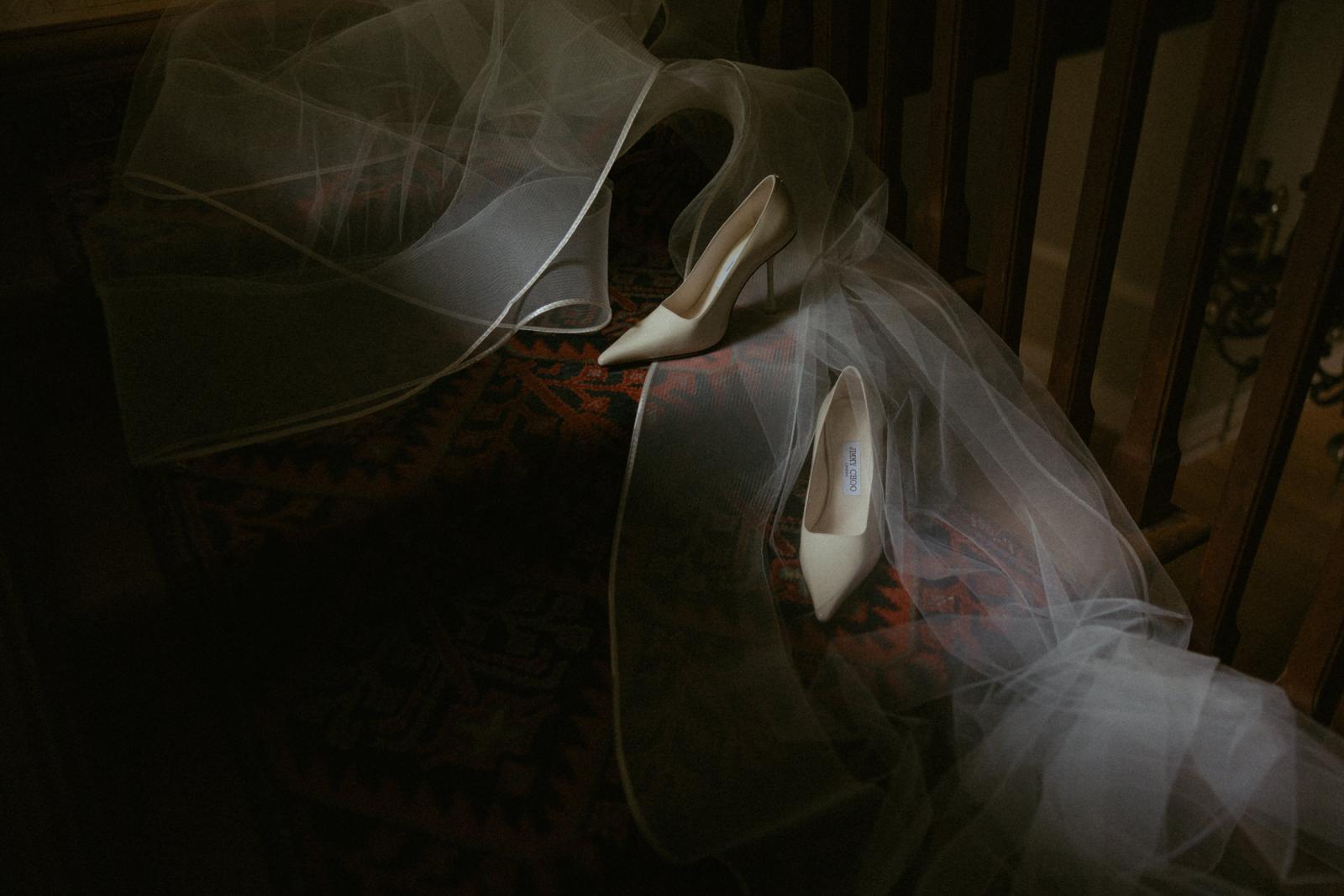
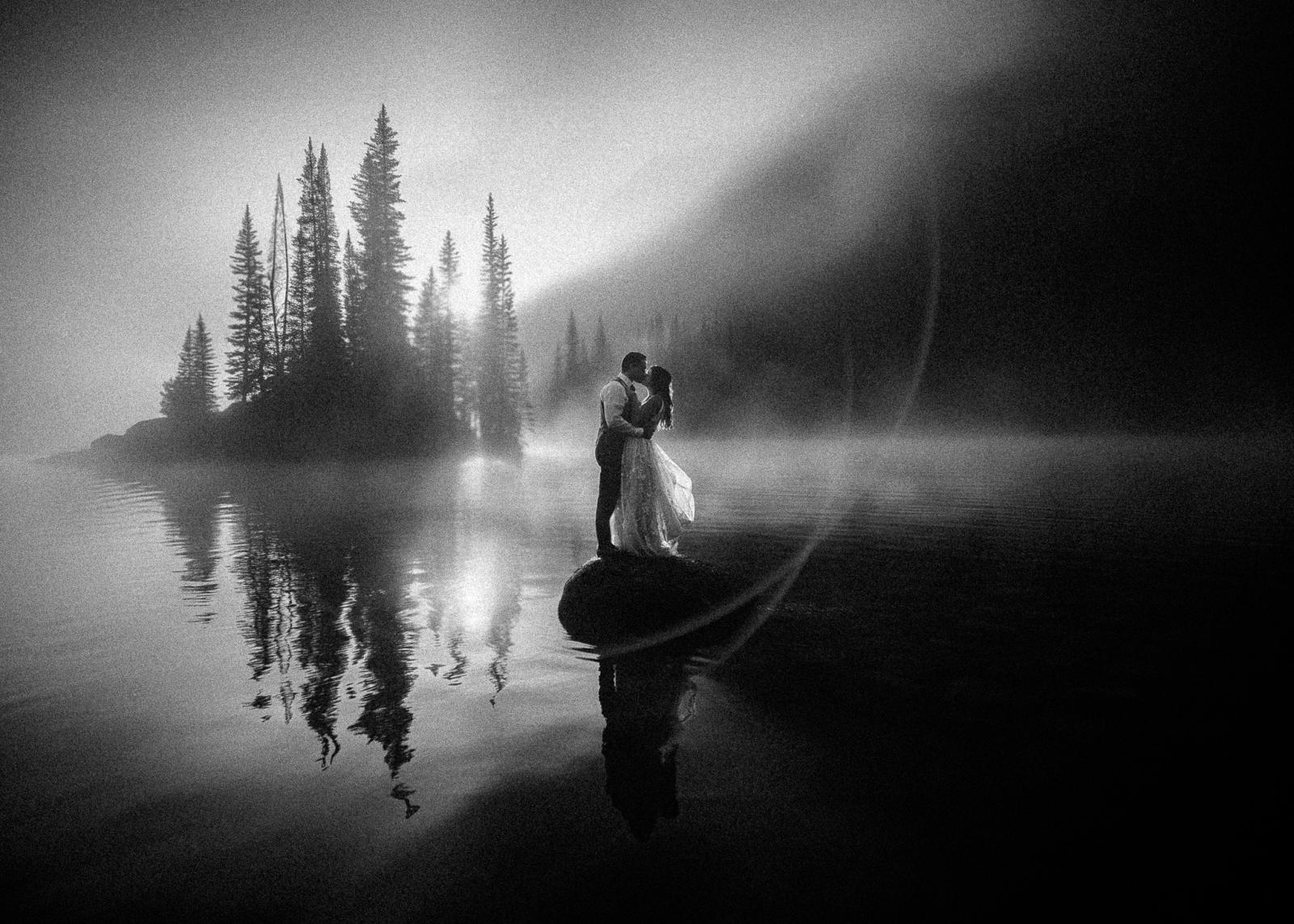
A wedding photographer doesn't walk into a venue and see a room. They see light — where it falls, where it doesn't, where it's about to shift in twenty minutes when the sun drops behind the treeline. They see geometry — the line of a staircase railing, the frame created by an open doorway, the negative space between two people that tells a story all on its own.
They see timing. Not the obvious kind — the kiss, the ring, the first dance. The timing that matters is smaller than that. The father who turns away from the crowd for two seconds to collect himself. The flower girl studying her shoes with the fierce concentration that only a four-year-old can muster. The moment between the moment — the breath before the vows, the look that passes between the couple when they think nobody is watching.
A guest with an iPhone might catch one of these. A photographer sees all of them simultaneously and makes a decision about which one matters most right now, knowing the others will evaporate in the time it takes to raise a camera.
Reading a Room Before It Happens
Experienced wedding photographers develop a kind of predictive vision. They learn the rhythms of a wedding day — not from a timeline, but from human behaviour.
They know that the most emotional moment of getting ready isn't when the dress goes on. It's usually two minutes later, when the bride's mother sees the full picture and the room goes quiet. They know that the best man's speech will get the biggest laugh somewhere in the middle, but the photograph worth keeping comes at the end, when the best man turns to the groom and drops the comedy for something real.
This isn't intuition. It's pattern recognition built over hundreds of weddings, sharpened by paying attention to what actually happens rather than what the timeline says should happen. The shot list says "first look." The photographer knows the first look is actually three moments — the anticipation, the turn, and the ten seconds after, when the couple stops performing for the camera and just holds on. That third moment is almost always the best frame, and most people stop shooting after the second.
The Difference Between Seeing and Looking
Every guest at a wedding is looking. They're looking at the dress, the flowers, the venue. They're looking at each other. They're looking at their phones.
Looking is passive. Seeing is active. Seeing is a decision about what matters.
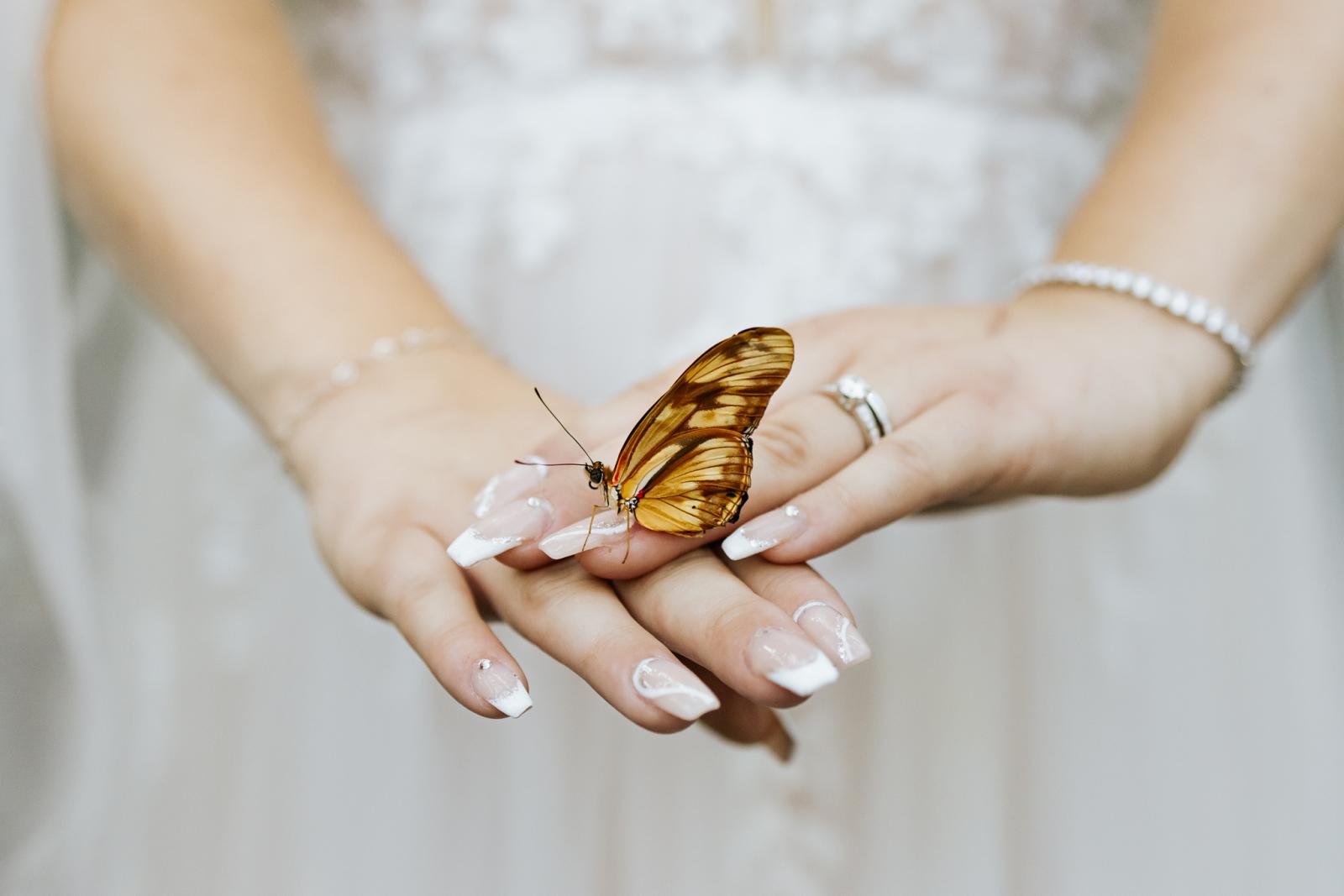
A wedding photographer sees the light hitting the champagne flutes on a windowsill and recognizes a still life that will disappear in three minutes when the catering staff clears the table. They see a grandmother sitting alone at the edge of the dance floor, watching the chaos with an expression that contains an entire life's worth of context. They see the groomsmen in the hallway, ten minutes before the ceremony, in that rare window where the jokes have stopped and the weight of the day has landed.
None of these moments announce themselves. None of them will happen again. And none of them are on any shot list ever written.
The Technical Eye Is the Least Interesting Part
Yes, wedding photographers understand aperture, shutter speed, and ISO. They can expose correctly in mixed lighting. They can autofocus in a dark church. These are prerequisite skills — necessary but not sufficient.
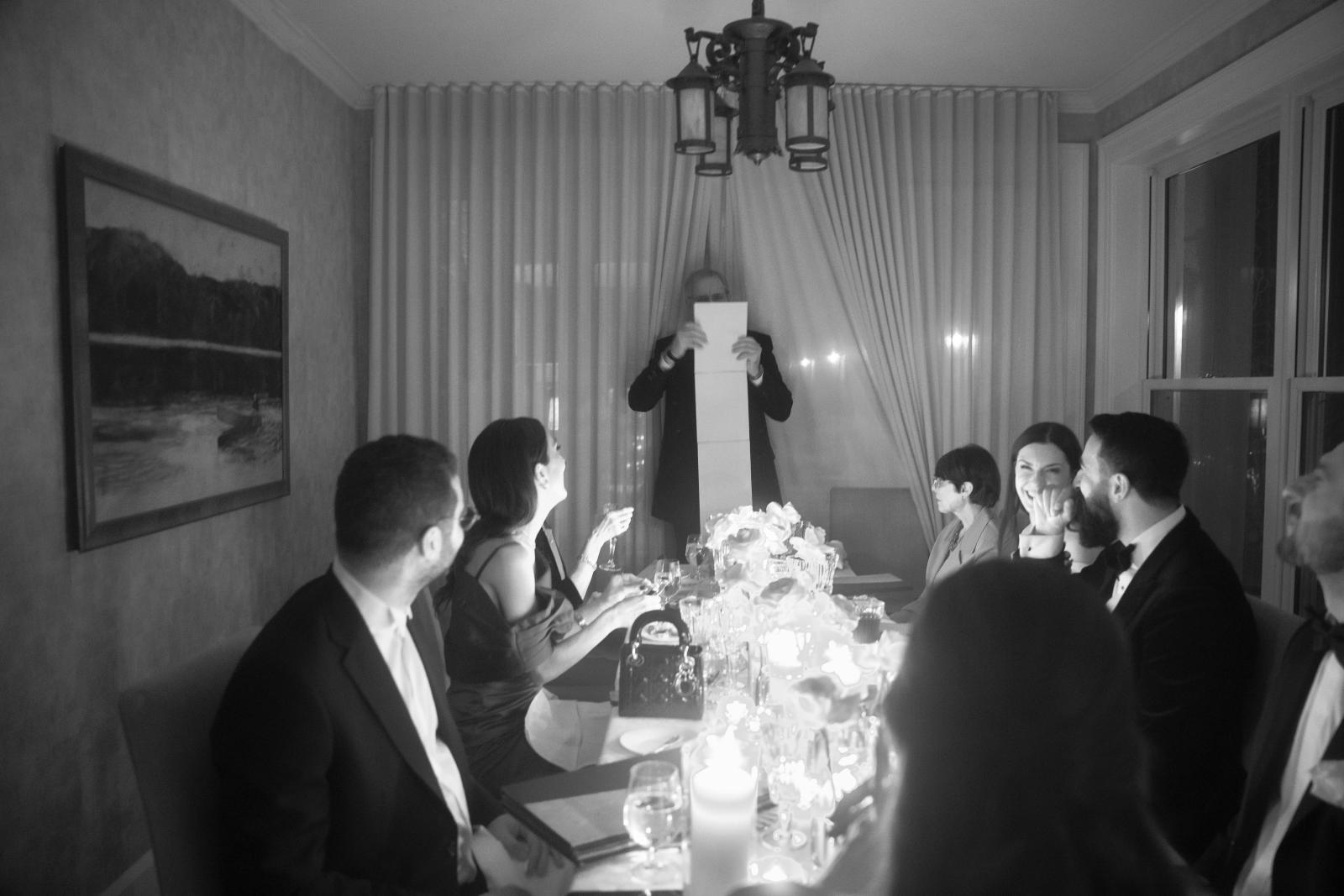
The technical eye is the table stakes. What separates the good from the exceptional is the editorial eye — the ability to decide, in a fraction of a second, that this composition matters more than that one. That pulling back wide to capture the room tells a truer story than zooming in on the couple. That the imperfect frame — slightly off-centre, a little motion blur, someone's hand in the edge of the shot — is actually the one that feels alive.
This editorial judgment is what makes wedding photography an art rather than a service. It's the same instinct that makes one documentary filmmaker's work feel like cinema and another's feel like surveillance footage. Same tools. Same subject. Completely different eye.
Why the Eye Matters More Than the Gear
The industry spends enormous energy debating equipment. Which camera body. Which lens. Which lighting setup. And yes, tools matter — a carpenter needs sharp chisels. But nobody hires a carpenter because of their chisels.
The photographs that couples return to years later — the ones they frame, the ones they show their kids, the ones that make them cry on a Tuesday in November — are almost never the technically perfect ones. They're the ones where the photographer saw something true and had the instinct to preserve it before it vanished.
That's what you're hiring when you hire a wedding photographer. Not a camera. Not a preset. Not a lens with a particular focal length. You're hiring a way of seeing that has been trained over years of watching human beings be human with each other, under pressure, in beautiful clothes, on the most emotionally saturated day of their lives.
The Eye Can Be Developed — But Not Faked
Every accomplished photographer will tell you the same thing: the eye gets sharper with practice. You learn to see more as you shoot more. The first fifty weddings teach you the mechanics. The next hundred teach you the patterns. Everything after that teaches you the exceptions — the moments that break the pattern and produce something you've never seen before.
But it can't be faked, and it can't be fast-tracked. This is why hiring an experienced wedding photographer matters, and it's why the Canadian Wedding Photography Awards exist — to recognize photographers whose eye has been validated by their peers. When you look at a CWPA-winning image, you're not seeing lucky timing. You're seeing a photographer who knew exactly where to stand, when to shoot, and what to leave out of the frame.
That's the eye. And it's the foundation of everything else in this series.
Continue the series
This is the first article in The Art of Wedding Photography series. Next: Light as Language: How Canada's Best Wedding Photographers Read and Chase Natural Light.
Looking for a photographer whose eye matches their craft? Browse the CWP member directory.