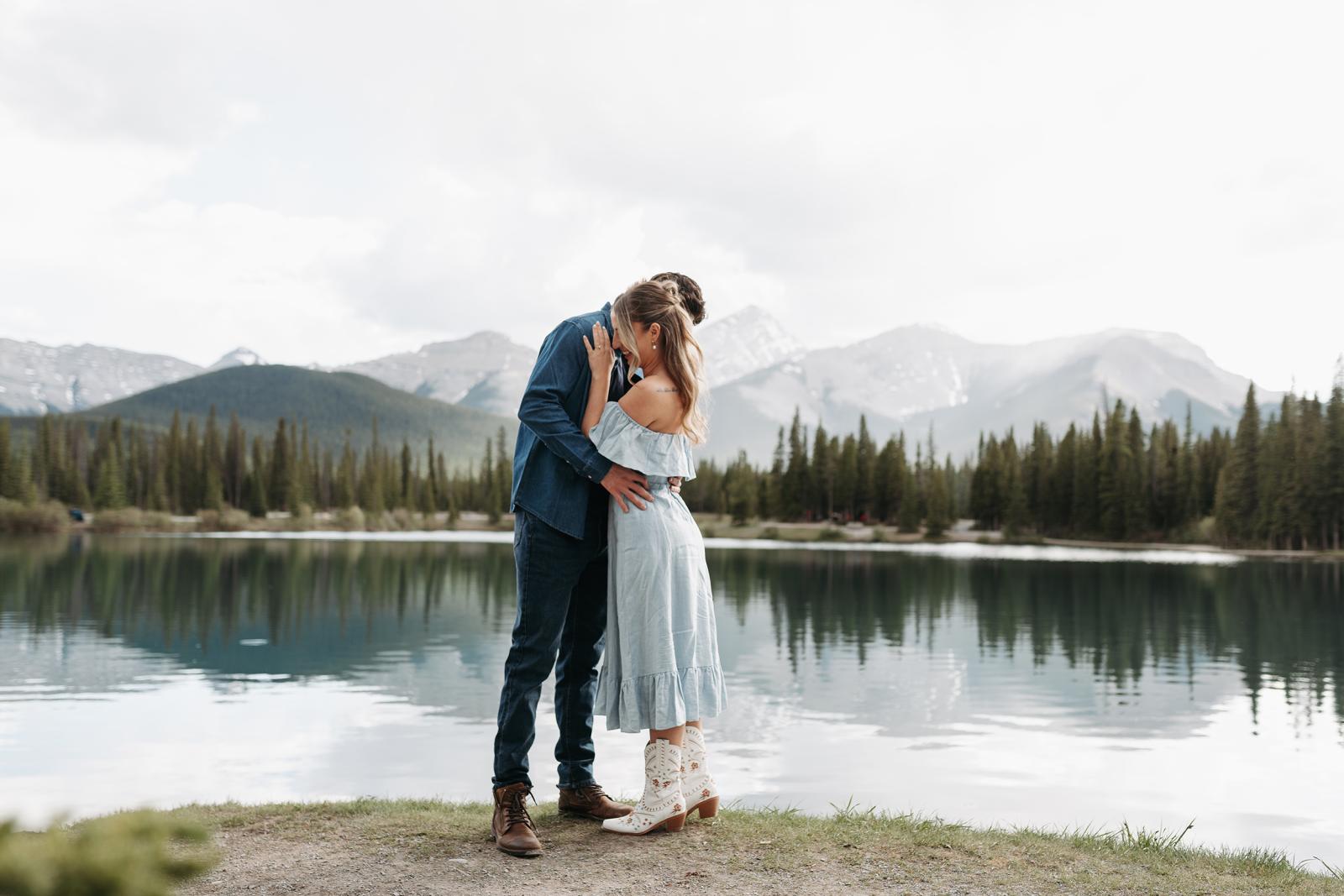
Through Their Eyes: Making Your Portfolio Aspirational and Relatable at the Same Time
"The best sales happen when they see themselves in your work, not just the work itself."
Every wedding photographer's portfolio serves two competing purposes. It needs to be aspirational — images that make the viewer say "I want that." Beautiful venues, perfect light, extraordinary moments captured with obvious skill. These images establish the photographer's capability and set the standard the client can expect.
But it also needs to be relatable — images that make the viewer say "that could be us." Real couples, genuine emotions, moments that feel accessible rather than staged. These images create connection. The couple sees themselves in the work and begins to imagine their own wedding through the photographer's lens.
A portfolio that's only aspirational — all luxury venues, all editorial perfection, all impossibly beautiful subjects — attracts admiration but not bookings. The couple admires the work the way they admire a magazine spread: impressive but impersonal. "That photographer is amazing" doesn't become "that photographer is for us."
A portfolio that's only relatable — authentic but ordinary, genuine but visually unremarkable — fails to create the desire that drives premium bookings. The couple sees themselves but doesn't see anything extraordinary. "That looks real" doesn't become "that looks like something worth investing in."
The portfolio that books premium clients achieves both simultaneously.
This is the fifth article in our Luxury Client Experience series.
The Aspirational Layer
Aspiration is created by three things: visual excellence, emotional intensity, and context that the viewer associates with luxury or significance.
Visual excellence means the technical and artistic quality is unmistakable. The light is beautiful. The composition is deliberate. The editing is refined. The images look like the work of someone who has mastered the fundamentals of the craft — not someone who happened to be in the right place with the right camera.
Emotional intensity means the images capture something felt, not just something seen. The father's face during the first look. The uncontrolled laughter during the dance floor. The quiet moment between the couple that nobody else noticed. These images create desire because the viewer imagines experiencing those feelings themselves.
Context matters because the settings in your portfolio influence the client's self-selection. A portfolio dominated by luxury estate weddings attracts clients planning luxury estate weddings. A portfolio showing intimate forest elopements attracts couples planning intimate forest elopements. The venues, the scale of the events, the production value visible in the images — all of these send signals about the kind of wedding you shoot and the kind of client you serve.
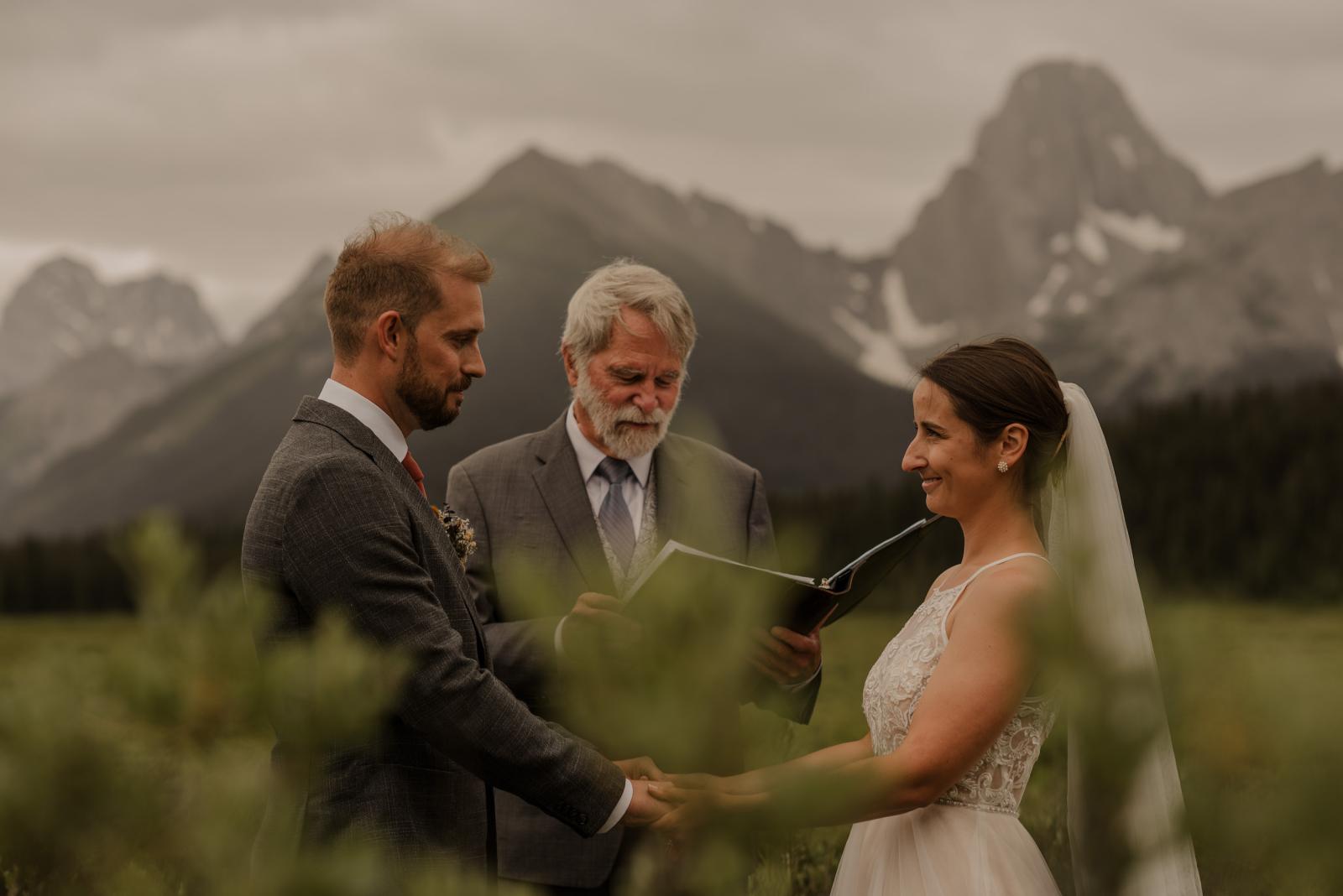
The Relatable Layer
Relatability is created by diversity of subjects, authenticity of moments, and the visible presence of real emotion rather than performed perfection.
Diversity of subjects matters because the premium market includes every body type, every skin tone, every cultural background, every age. A portfolio featuring exclusively one type of couple communicates, intentionally or not, that the photographer is best suited for that type. The portfolio that shows the photographer's ability to make every couple look extraordinary — regardless of how they look — is the portfolio that a wider range of premium clients can see themselves in.
Authenticity of moments matters because real couples look different from models. They don't have perfect posture. Their smiles are asymmetrical. They hold each other in ways that aren't compositionally ideal. And that realness is what makes the images relatable. A portfolio that includes outtake moments — the in-between frames, the spontaneous laughter, the imperfect but emotionally charged images — communicates that the photographer values what's real over what's arranged.
Visible emotion rather than performed perfection means showing images where the feeling is obviously genuine. Tears that weren't prompted. Joy that wasn't directed. Connection that couldn't have been staged. When a couple looks at these images and thinks "that's how we are together," they've found their photographer.
Curating for the Sweet Spot
Portfolio curation is one of the most important and most neglected business tasks in photography. Many photographers add images to their portfolio chronologically — each new wedding contributes a few more — without periodically removing images that no longer serve the overall story.
Curation for the aspirational-relatable balance requires a specific approach.
Lead with your best emotional moments. The homepage or portfolio landing page should feature images that are simultaneously stunning and genuinely felt. Not your most technically impressive image — your most emotionally impactful one that also happens to be beautifully made.
Include a range of settings. If you only show luxury venue weddings, you signal that ordinary venues aren't your strength. If you only show intimate elopements, you signal that large weddings aren't your thing. The premium photographer's portfolio should demonstrate versatility — the ability to create extraordinary images in any context.
Show complete moments, not just highlights. A portfolio of exclusively perfect-light, golden-hour portraits creates aspiration but not relatability. Include the ceremony tears, the dance floor chaos, the quiet getting-ready moment. These are the images where couples see their own wedding day, not a styled shoot.
Remove images that served you once but no longer represent your current level. This is the hardest curation decision and the most important. The images from your thirtieth wedding may have been your best work at the time. At your hundredth wedding, they're pulling your portfolio backward. Every image on your website should represent the quality a client will receive if they book you today.

The Portfolio as Promise
The curated portfolio isn't just a showcase. It's a promise. Every image says: "This is the quality, the attention, and the emotional sensitivity you can expect if we work together."
Premium clients evaluate this promise with a sophistication that less experienced clients don't. They notice whether the quality is consistent across the portfolio or whether a few stunning images are surrounded by average ones. They notice whether the photographer has a coherent visual style or whether the portfolio looks like the work of several different photographers. They notice whether the images tell stories or just capture moments.
Consistency is the key. A portfolio with ten extraordinary images and twenty good ones communicates something different than a portfolio with twenty extraordinary images. The former says "I can occasionally produce exceptional work." The latter says "this is my standard." Premium clients are paying for the standard, not the occasional peak.
Refreshing the Portfolio
The portfolio should be refreshed at least once a season — more frequently if the photographer's work is evolving quickly. Each refresh is an opportunity to raise the bar: replacing good images with better ones, ensuring the diversity of subjects and settings reflects the current market, and tightening the overall story.
The refresh should also align the portfolio with the photographer's business goals. If the photographer wants to attract more luxury weddings, the refresh should emphasize luxury settings. If they want to expand into elopements, the refresh should include their best intimate work. The portfolio isn't just a record of what the photographer has done — it's a signal of what they want to do.
Awards and publications provide natural refresh points. An image recognized by the Canadian Wedding Photography Awards should be prominent in the portfolio — not just because it's a credential, but because it's been validated by the professional community as exceptional. That validation reinforces the aspirational layer while the image itself, if it captures genuine emotion, delivers the relatable one.
The portfolio that achieves both layers — that makes premium clients say "I want that" and "that could be us" in the same breath — is the portfolio that books.
Continue the series
This is the fifth article in The Luxury Client Experience series. Next: Customizing the Experience: Why One-Size Packages Don't Work at the Premium Level.