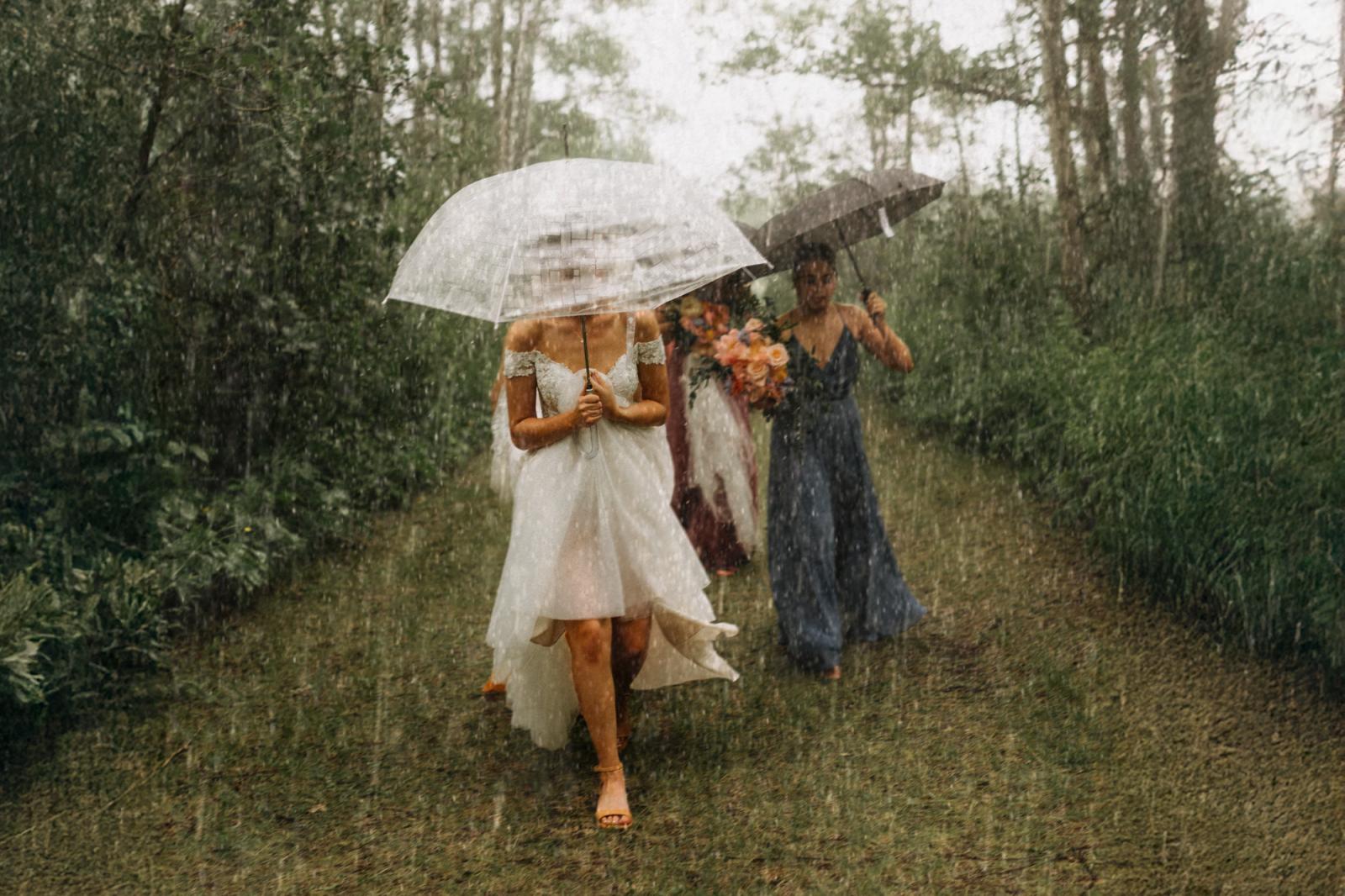
The Beauty of Outtakes: Why the Unplanned Moments Are Often the Best Ones
"The outtakes are often more memorable than the posed shots."
That's not a hot take. It's something nearly every experienced wedding photographer has learned, usually somewhere around their fiftieth wedding, when they noticed a pattern: the images couples return to most often aren't the posed portraits, the symmetrical bridal party lineups, or the carefully composed detail shots. They're the in-between images. The moments that happened while everyone thought the camera was pointed somewhere else.
The flower girl yawning during the vows. The groom's best friend catching him in a headlock outside the church. The bride's mother reaching up to fix a stray hair and then stopping, mid-reach, because she realizes her daughter doesn't need fixing. These aren't the images anyone asked for. They're the images nobody can live without.
This is the third article in our Art of Wedding Photography series.
Why Outtakes Hit Harder
Posed photographs are important. They document who was there, what people looked like, how the day was designed. They serve a purpose, and a good wedding photographer delivers them with skill.
But posed photographs are also, by definition, performative. Everyone in the frame knows they're being photographed. They're standing up straighter, holding their smile, presenting a version of themselves that's curated for the camera. The image captures how they wanted to look, not how they actually felt.
Outtakes capture feeling. They work because the subject isn't performing. A candid photograph of a father watching his daughter's first dance carries more emotional information than a posed portrait of the same father with his arm around the same daughter, because the candid image shows you what he looks like when he thinks nobody's paying attention. That's when people are most themselves.
This is also why candid images age better. A posed portrait from 2010 looks like a posed portrait from 2010 — the style dates it. A candid moment from 2010 looks timeless, because human emotion doesn't have a trend cycle. The way someone laughs at a wedding in 2010 looks exactly like the way someone laughs at a wedding in 2026.
The Spaces Between the Moments
Every wedding has a timeline. The ceremony starts at three. The portraits happen at four. Dinner at six. Speeches at seven-thirty. First dance at nine. These are the scheduled moments, and they're important.
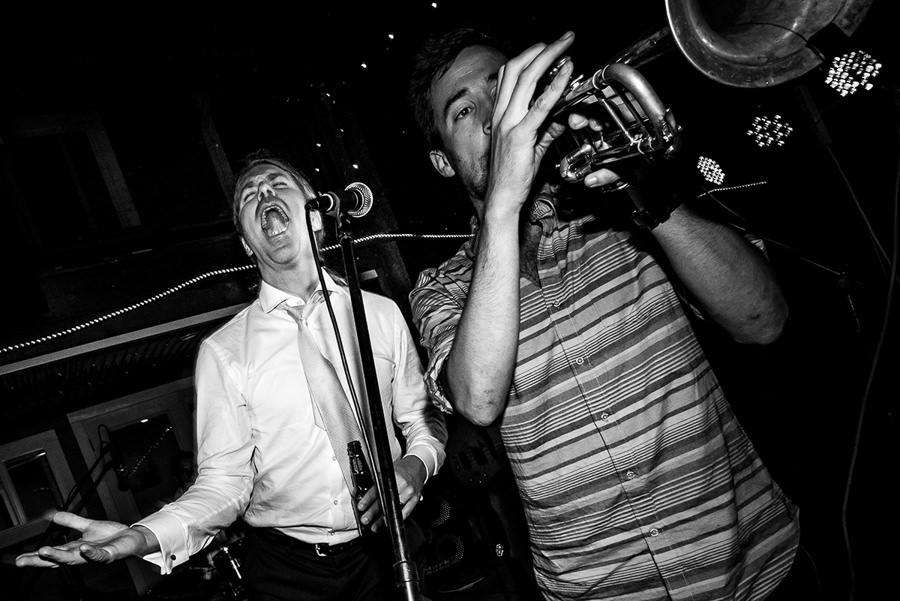
But the most photographically rich minutes of any wedding day happen in the spaces between those scheduled moments. The twenty minutes between the ceremony and portraits, when the couple is walking through a crowd of guests and every interaction is genuine and unscripted. The five minutes before the ceremony starts, when the groom is standing at the altar with nothing to do but wait, and everything he's feeling is written on his face. The last hour of the dance floor, when the formal programming is over and people are just being themselves.
These transitional moments are where the outtakes live. Photographers who pack up during transitions or only shoot during scheduled events miss the most honest material of the day.
How Photographers Find the Outtakes
Candid photography isn't passive. It's not standing in a corner hoping something interesting happens. It requires the same active seeing we discussed in The Photographer's Eye, but applied to a different kind of subject.
The key is peripheral awareness. While shooting the bridal party portraits, the experienced photographer is also watching what's happening at the edges of the scene — the groomsman making the bride laugh between setups, the maid of honour holding the bouquet and unconsciously smelling it, the photographer's assistant trying to wrangle a toddler ring bearer. These peripheral moments are often better than the primary subject.
The other key is anticipation. Outtakes aren't random. The best ones happen at predictable junctures — the moment after a toast lands, when the speaker's relief and the crowd's warmth collide. The moment the officiant says something unexpected and the couple breaks character. The moment the music shifts from dinner background to dance floor anthem and three generations hit the floor simultaneously.
Knowing these junctures exist means being ready for them. Camera up. Focus set. Waiting not for the posed moment but for the one that follows it, when everyone relaxes.
The Permission to Be Imperfect
There's a creative barrier that some photographers need to cross before they can consistently capture great outtakes. It's the attachment to technical perfection.
An outtake, by nature, is imperfect. The framing might be slightly off because you swung the camera quickly. There might be motion blur because the subject was moving and you were shooting at a slower shutter speed to keep the ISO low in a dark room. Someone's hand might intrude into the edge of the frame. The horizon might not be level.
None of that matters if the moment is real.
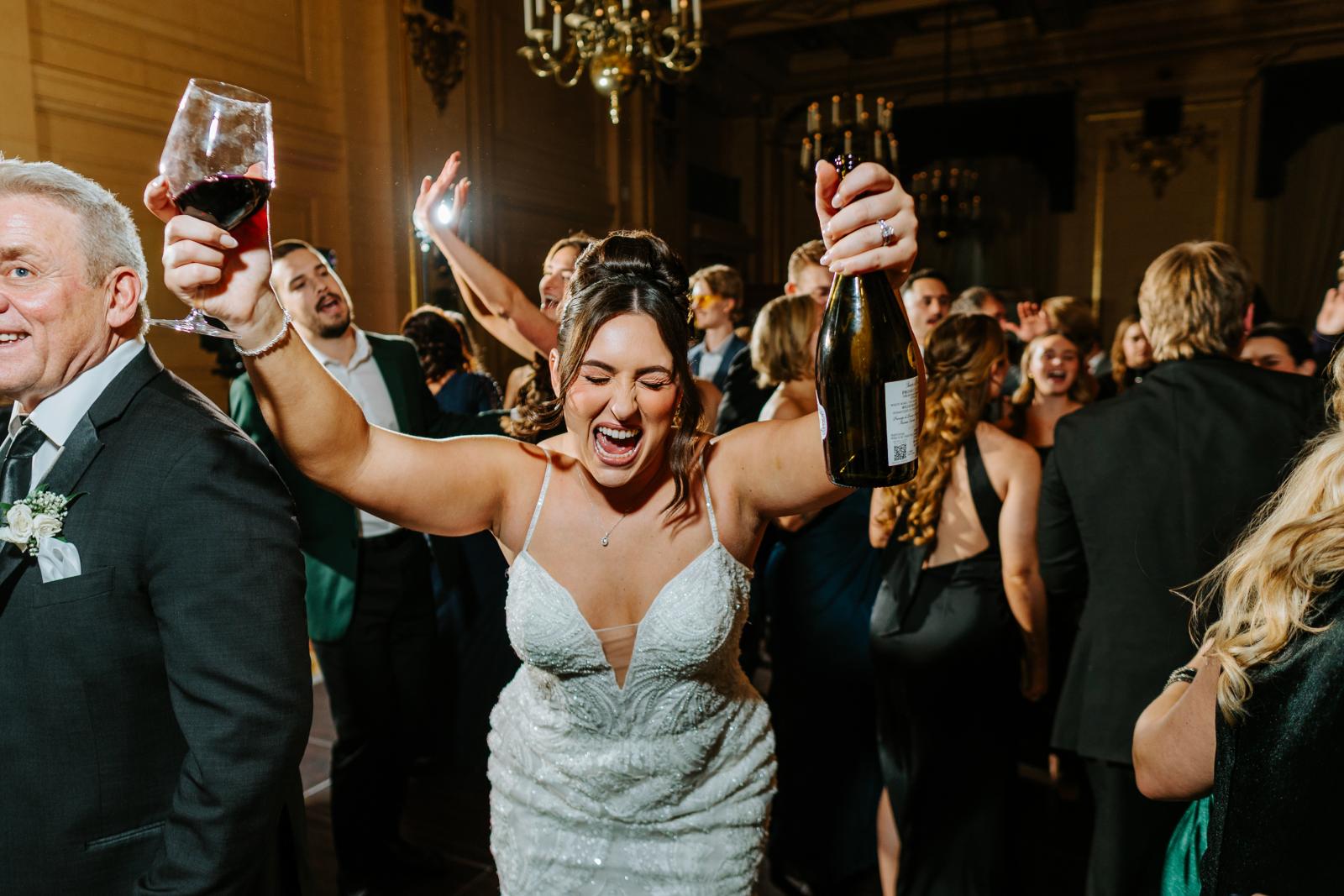
This is one of the most important creative lessons in wedding photography: a technically imperfect image of a real moment is worth more than a technically perfect image of a manufactured one. The blur, the grain, the imperfect framing — these things don't diminish the photograph. They often enhance it, because they signal to the viewer that this wasn't staged. This was caught. This was real and fleeting and the photographer preserved it in the fraction of a second it existed.
The photographers who consistently produce the best outtakes are the ones who've given themselves permission to prioritize the moment over the settings.
Training the Outtake Instinct
You can't plan an outtake. But you can train yourself to find them more consistently.
Stay shooting between the moments. When the formal portrait is done and everyone relaxes, that's when the real expressions emerge. Keep the camera up for the ten seconds after "we're done" — the exhale, the laugh, the genuine reaction to the experience of being photographed.
Watch the people who aren't being photographed. While you're shooting the couple's first dance, glance at the parents' table. While you're shooting the cake cutting, check the periphery for the kid sneaking a fingerful of icing. The secondary subjects often produce the strongest emotional content.
Shoot wider than you think you need to. Tight crops are great for portraits, but outtakes often benefit from environmental context. The wider frame shows where the moment happened — and it often includes secondary moments happening simultaneously that a tighter crop would exclude.
Learn to recognize the "after" moment. Every big wedding moment has an aftermath. After the ceremony kiss, the couple turns to face the crowd and their faces show everything. After the bouquet toss, the non-catchers' reactions tell a story. After the father-daughter dance ends, the way the father walks back to his seat is often the most emotional frame of the entire sequence.
What the Outtakes Tell You
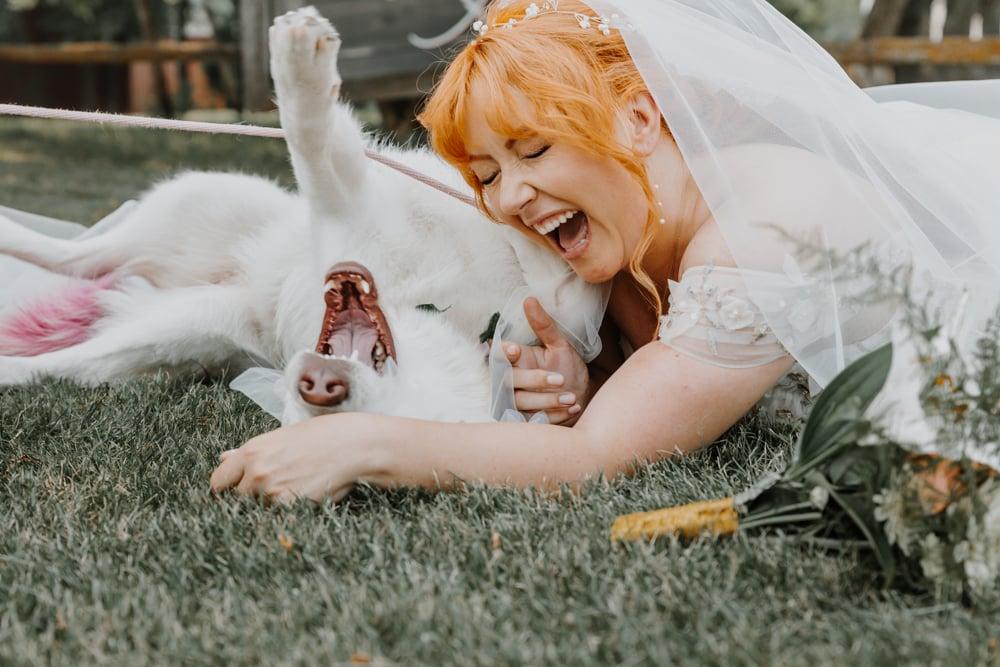
Here's the thing about outtakes that nobody talks about: they're the truest measure of a photographer's presence at a wedding.
A photographer who only delivers posed, scheduled, predictable images was physically present but not engaged. They shot the moments they were told to shoot and moved on. A photographer whose gallery is threaded with genuine, unguarded, in-between moments was paying attention. They were present in the way that matters — actively watching, continuously seeing, always ready for the frame that lasts.
When you look at a wedding photographer's portfolio and see a mix of stunning posed work and genuine candid moments, you're looking at someone who understands both halves of the job. The Canadian Wedding Photography Awards consistently recognize this balance — the winning images across categories like Photojournalism and Couple are almost always the ones where the photographer caught something no one expected.
The outtakes aren't bonus material. They're the story.
Continue the series
This is the third article in The Art of Wedding Photography series. Next: Prepared but Flexible: The Art of Shooting Without a Shot List.
Browse photographers whose candid work speaks for itself in the CWP member directory.