
AI-Generated Wedding Photos: The Ethical Line and Why It Matters
There's a photograph from a wedding that never happened. The venue is real — it exists in the Okanagan, and it's beautiful. The couple is real — they're engaged, and they're planning their wedding there next summer. But the photograph — the couple standing at the altar, golden hour light streaming through the windows, guests visible in soft focus — was generated by AI from reference images of the venue and portraits of the couple.
The couple posted it on social media. Their friends assumed it was real. Some commented on how beautiful the ceremony looked.
This isn't a hypothetical. AI-generated preview images, concept visualizations, and even fabricated wedding photographs are emerging at the edges of the industry. And the profession hasn't yet decided what it thinks about them.
This is the ninth article in our Wedding Photography in the Era of A.I. series.
The Spectrum of Manipulation
Every photograph is, to some degree, a construction. The photographer chooses the angle, the moment, the framing. The editing process adjusts exposure, colour, and contrast. The final image is an interpretation of reality, not a literal record of it.
But there's a spectrum, and the distinctions along it matter.
Standard editing — exposure correction, colour grading, cropping, skin retouching — alters the presentation of what was captured without changing what happened. The moment is real. The scene is real. The editing changes how it looks, not what it is.
Traditional manipulation — removing a distracting object from the background, cleaning up a blemish, straightening a crooked horizon — changes the scene in minor ways but preserves the fundamental truth of the moment. The couple was there. The moment happened. The edit removes a distraction, not a truth.
AI-enhanced compositing — swapping a closed-eye frame for an open-eye version from a different capture, replacing an overcast sky with a dramatic sunset, combining elements from multiple frames into a single image. Now the photograph depicts something that didn't quite happen as shown. The couple was there, but not with that sky. Everyone's eyes were open, but not in the same frame. The moment is partially real.
AI-generated imagery — creating photographs of events that didn't happen, generating people who weren't there, fabricating scenes entirely. The photograph is fiction presented as documentary.
Each step along this spectrum moves further from the documentary foundation that gives wedding photography its emotional power. And each step raises different ethical questions for the photographer, the client, and the industry.
Why It Matters for Wedding Photography
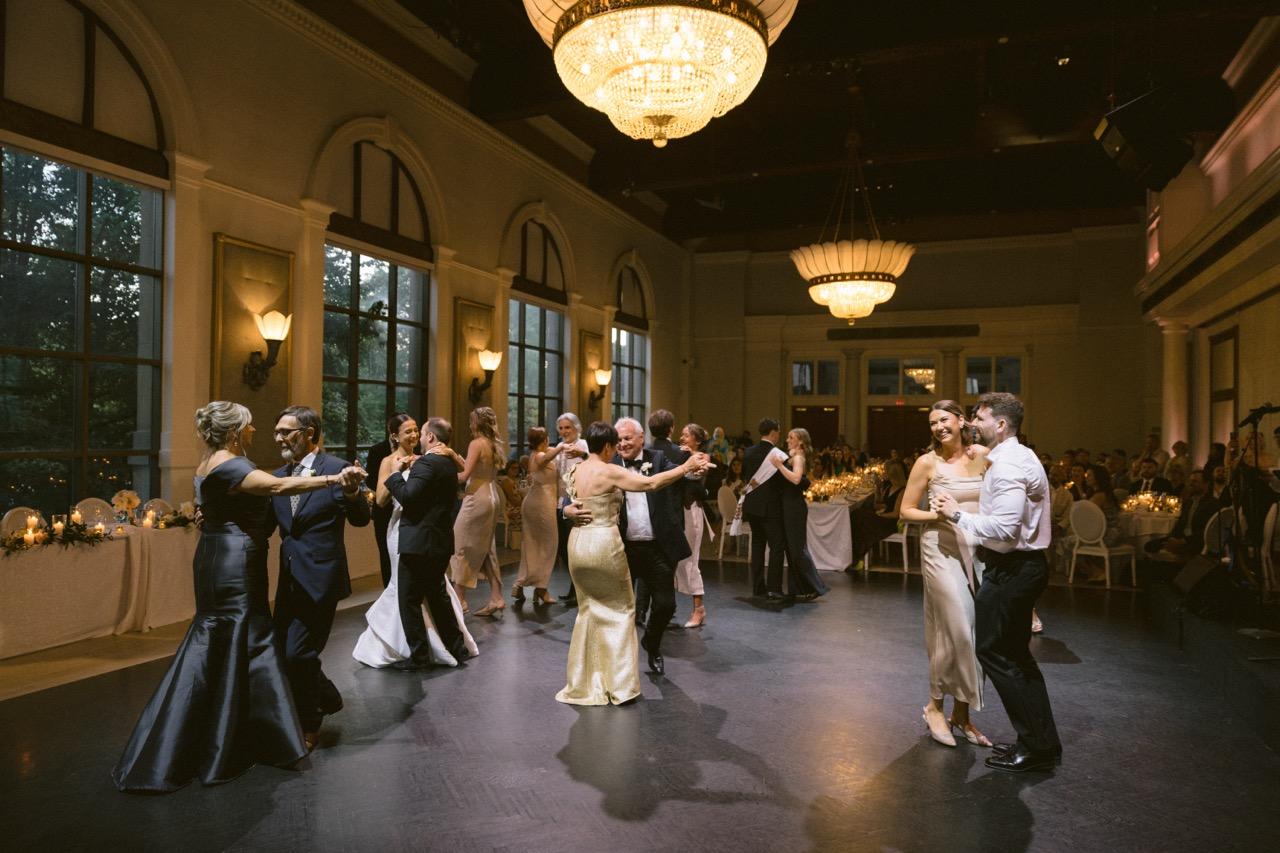
Wedding photography occupies a unique position among photographic disciplines. Unlike commercial photography (where manipulation is expected), fashion photography (where construction is the point), or fine art photography (where truth is intentionally subjective), wedding photography carries an implicit documentary promise.
A couple hires a wedding photographer to document their day. The images are supposed to show what happened — the real moments, the real emotions, the real people. When the grandmother sees a photograph of the ceremony, she trusts that it represents what actually occurred. When the couple looks at their album in twenty years, they trust that these images are memories, not inventions.
This documentary trust is the ethical foundation that AI-generated imagery threatens. Not because AI manipulation is necessarily visible — it's increasingly invisible — but because it substitutes fiction for documentary truth without the viewer's knowledge.
"I want that narrative within their images." The narrative power of wedding photography comes from its truth. An image of a father seeing his daughter in her wedding dress for the first time is powerful because it happened. An AI-generated version of that moment — however technically perfect — carries none of that power, because it's a construction, not a capture.
The Practical Scenarios
The ethical questions aren't always clear-cut. Consider the scenarios photographers are already encountering.
The eye-swap. During the family formal portraits, one frame has everyone's eyes open except the grandmother. Another frame has the grandmother's eyes open but someone else is blinking. The photographer composites the two frames, taking the grandmother's eyes from one and placing them in the other. Both frames were captured seconds apart. Is this fabrication?
Most photographers and clients would consider this reasonable and harmless. The scene happened. Everyone was there. The composite simply assembles the best version of a real moment. AI makes this technically easier, but photographers have been doing versions of this in Photoshop for decades.
The sky replacement. The ceremony was beautiful, but the sky was flat grey. The photographer uses AI to replace the grey sky with a dramatic sunset. The couple loves the image. The venue is delighted. But the sky is a lie — it wasn't there, and it changes the mood of the image from what the day actually felt like.
This is where photographers begin to diverge. Some view sky replacement as equivalent to colour grading — an aesthetic enhancement that makes the image more beautiful without changing the emotional truth. Others view it as the first step toward fabrication — a decision to depict a day that didn't happen.
The missing person. A family member couldn't attend the wedding. The couple asks the photographer to use AI to insert the missing person into the family photograph, using a portrait taken separately. This is a fabrication — the person was not present in the scene — but it's requested by the client, who wants the image for emotional reasons.
The preview image. A couple asks their photographer to generate AI images of what their wedding day might look like, using photos of the venue and their engagement portraits. The images are clearly labelled as concepts, not documentation. But they look real. And when the couple shares them, the context disappears.
Where the Profession Needs Standards
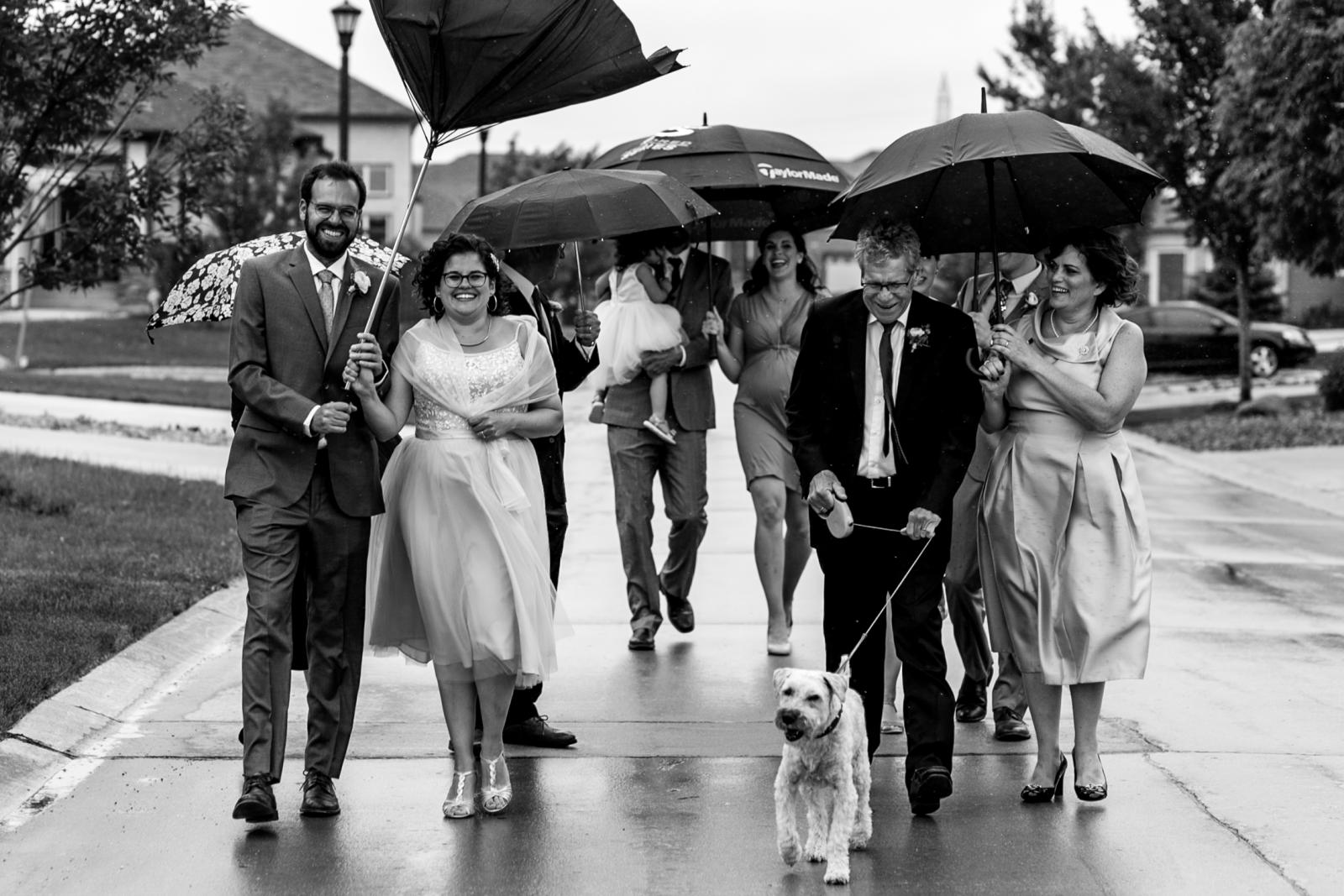
The wedding photography profession hasn't established clear standards for AI-generated imagery, and the absence of standards creates risk for individual photographers and for the industry's credibility.
Without standards, the documentary trust that gives wedding photography its value erodes gradually. If couples can't be certain which images in their gallery are real and which are generated, the emotional foundation of wedding photography weakens. Not immediately, but inevitably.
Standards don't need to be rigid or punitive. But they should establish basic principles.
Disclosure. If an image has been substantially altered by AI — beyond standard editing and minor retouching — the client should know. Not necessarily with a visible watermark on the image, but through clear communication about what the image represents. The transparency framework discussed earlier in this series applies here.
Documentary integrity. Wedding photographers should distinguish between documentary images (what happened) and constructed images (what was created or enhanced). Both can exist in a gallery. But the couple should understand which is which, particularly for the images they'll display, print, and pass down.
Client consent. AI manipulation beyond standard editing should be done with the client's knowledge and consent. A photographer who decides unilaterally to replace skies, swap faces, or composite scenes is making editorial decisions that go beyond what most clients expect when they hire a documentary wedding photographer.
The profession's standards have always been defined by the work itself — the vision, the craft, and the creative decisions that elevate a wedding photograph from documentation to art. The Art of Wedding Photography series explores those standards in depth, grounding the ethical conversation in what the best practitioners actually value and produce.
The Competitive Pressure
The ethical question doesn't exist in a vacuum. There's competitive pressure pushing photographers toward more aggressive AI use.
A photographer who AI-generates a dramatic sunset behind every ceremony will have a portfolio that looks more consistently spectacular than a photographer who delivers honest documentation of flat grey skies. On Instagram, the generated image wins. In a portfolio comparison, it wins. In a couple's initial assessment — before they understand the distinction — it wins.
This creates a race toward fabrication that disadvantages photographers who maintain documentary integrity. The competitive landscape discussion earlier in this series addressed how AI changes pricing competition. The ethical dimension is equally important: AI-generated imagery creates a visual arms race where honesty is a competitive disadvantage unless the market learns to value it.
The defence is education — helping couples understand the distinction between documentation and fabrication, and positioning documentary integrity as a premium value worth paying for. Photographers whose brand story centres on authentic documentation can use that authenticity as a differentiator, but only if clients understand what they're being offered.
Taking a clear ethical stance on AI-generated content isn't just principled — it's strategic. Clients who value authenticity are often the same clients explored in the Luxury Client Experience series: high-investment couples who choose their photographer based on trust, reputation, and creative integrity.
The Long View
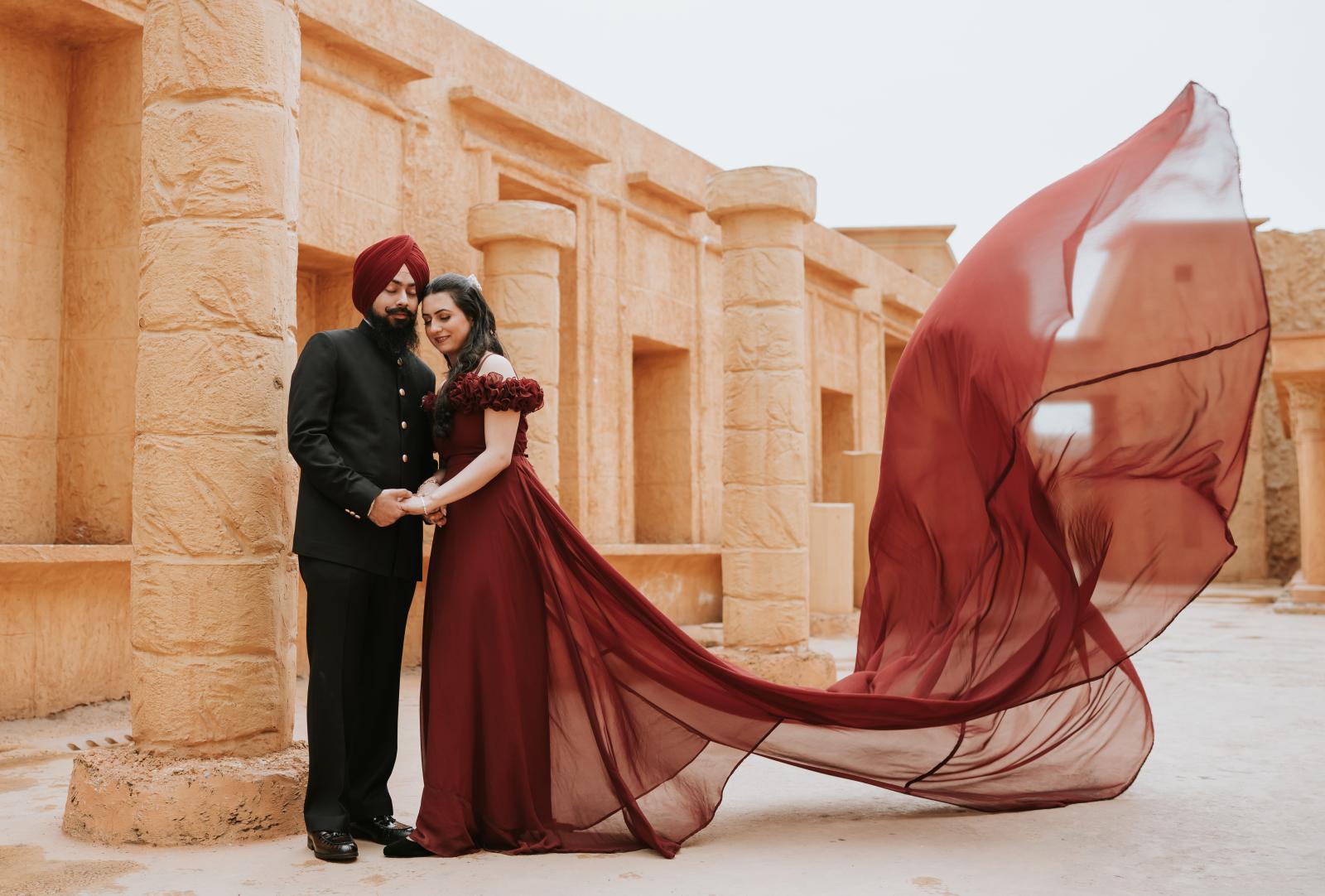
Wedding photographs are among the most enduring images most people will ever own. They outlast the marriage, in some cases. They're passed to children and grandchildren. They become family documents — records of who was there, what it looked like, how it felt.
When a grandchild looks at a wedding photograph fifty years from now, will they be able to trust that it shows what happened? Or will they wonder whether the sky was real, whether everyone was actually present, whether the moment was captured or constructed?
The profession's decisions about AI-generated imagery now will determine the answer to that question. The technology will continue to improve. The line between captured and generated will continue to blur. But the ethical principle — that wedding photography's power comes from its documentary truth — doesn't change with the technology.
"I'm looking for energy and vibes and emotion." The energy is real. The vibes are real. The emotion is real. Or they aren't. That distinction is the line, and it matters more than any technical capability the AI brings to the table.
Clients evaluate images based on their quality and emotional impact. As AI-generated imagery becomes more prevalent, the question of what constitutes a genuine wedding photograph will become relevant to the professional standards that define the industry. The conversation starts now.
The tools are changing, but what matters hasn't: the work, the eye, and the community that recognizes both. Canadian Wedding Photographers is the only national platform where your work is judged by the people who understand it — your peers. Membership includes six opportunities per year to have your images recognized through the Canadian Wedding Photography Awards, plus a credentialed profile and opportunities to showcase your work and gain editorial backlinks that strengthens your online presence. Learn more about membership
Continue the series
This is the ninth article in Wedding Photography in the Era of A.I. series. Next: Building an AI-Assisted Workflow: A Step-by-Step Guide for Canadian Wedding Photographers.