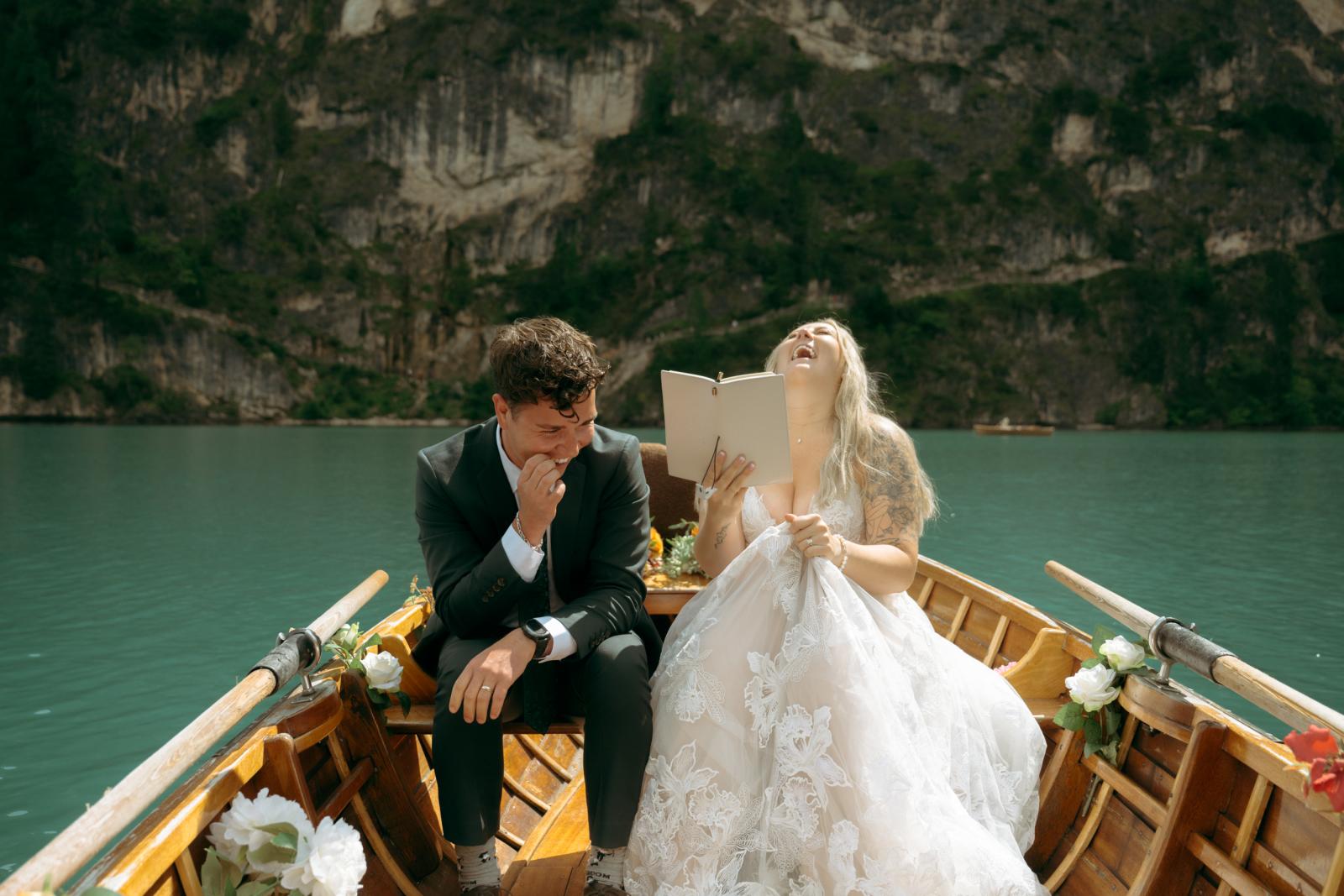
The Co-Creation Model: Making Clients Feel Like Collaborators, Not Customers
"Clients want to feel like collaborators, not transactions."
There are two models for the photographer-client relationship. In the traditional model, the photographer is a vendor. The couple hires them, communicates what they want, and receives a deliverable. The relationship is transactional: service for payment, images for investment. It works. It's professional. And it produces a dynamic where the couple is a customer and the photographer is a provider.
In the co-creation model, the photographer is a creative partner. The couple doesn't just hire them — they work with them. The vision for the photography is built together, through conversation, shared references, and collaborative decision-making. The couple feels ownership over the creative direction, not just the final images. And that ownership transforms the entire experience.
The co-creation model isn't just a nicer way to work. It's a business advantage. Couples who feel like collaborators are more trusting, more engaged, more willing to follow creative direction on the wedding day, and dramatically more likely to refer. They don't just recommend your photography — they recommend the experience of working with you.
This is the fourth article in our Luxury Client Experience series.
What Co-Creation Looks Like in Practice
Co-creation starts at the consultation and extends through every interaction until the final gallery is delivered.
At the consultation, it means the photographer doesn't just present their portfolio and packages. They ask the couple to share their vision — or, if the couple can't articulate one yet, they guide them through discovering it. The couple's input shapes the creative plan. Their priorities determine the emphasis. Their aesthetic preferences inform the approach.
During the planning phase, it means ongoing creative dialogue. The photographer shares ideas — a location they've scouted, a lighting concept for the portraits, an approach to the ceremony coverage — and invites the couple's input. Not in a "please approve this" way, but in a "what do you think about this?" way. The couple's response refines the plan. The plan reflects both voices.
On the wedding day, it means the couple feels like a participant in the creative process, not a subject being directed. When the photographer guides them into a portrait setup, the couple understands why — because they were part of the conversation that led to this moment. The direction feels like a continuation of the collaboration, not an imposition.
At delivery, it means the gallery feels like the realization of a shared vision — not the photographer's interpretation of the day, but a story the photographer and couple built together.
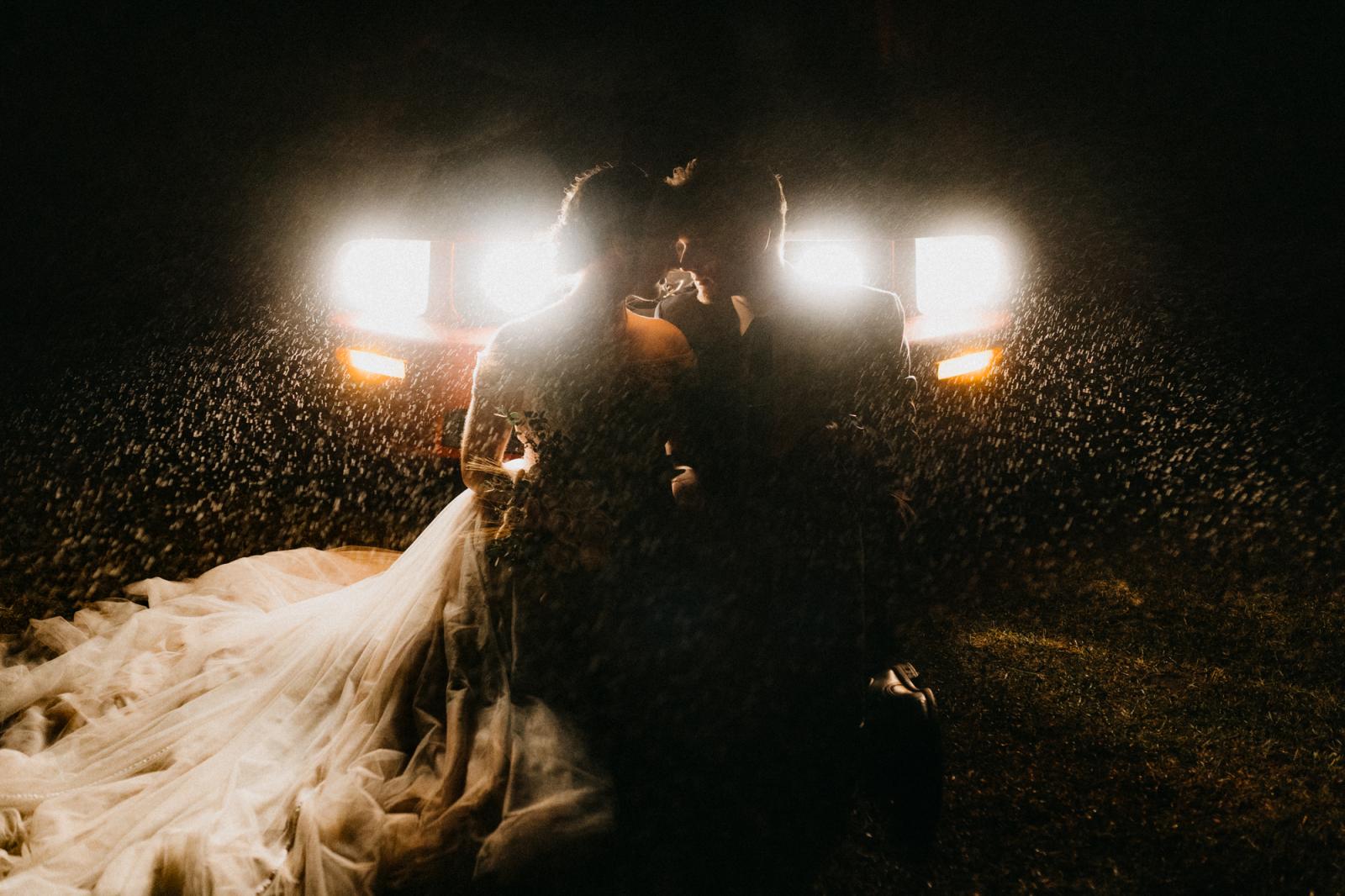
The Trust Dividend
The most immediate benefit of co-creation is trust. A couple who's been part of the creative process trusts the photographer's decisions on the wedding day in a way that a couple who simply hired a vendor does not.
"If you can't get the guard down, there's no trust." Co-creation gets the guard down because it eliminates the adversarial dynamic that the vendor model can create. The couple isn't wondering whether the photographer is going to deliver what they want. They already know, because they helped define what "what they want" means.
This trust manifests in specific, practical ways. The couple is more relaxed during portraits — because they trust the photographer's direction and know it's rooted in their shared conversation. They give the photographer more creative freedom — because they've experienced the photographer's taste and judgment during the planning process and believe in it. They're more forgiving of the inevitable imperfections of a wedding day — because they understand the photographer's process and know that the final result will reflect their shared priorities.
How to Create the Collaborative Framework
The co-creation model requires structure. Without it, "collaboration" can devolve into the couple directing the photography (which undermines the photographer's expertise) or the photographer seeking approval at every stage (which creates decision fatigue and communicates insecurity).
The framework: the photographer leads the creative direction, and the couple provides input at defined points. The photographer proposes; the couple reacts, refines, and confirms. This preserves the photographer's creative authority while giving the couple genuine influence over the outcome.
Defined input points include: the initial consultation (where the vision is established), the engagement session (where the creative dynamic is tested in practice), the pre-wedding planning call (where the wedding-day approach is finalized), and the gallery delivery (where the couple's response informs future interactions, including album design).
Between these input points, the photographer executes without seeking approval. The wedding day itself is not a collaborative process in real time — the photographer needs full creative autonomy to respond to conditions as they happen. But the decisions they make are informed by the collaborative groundwork laid in the months before.
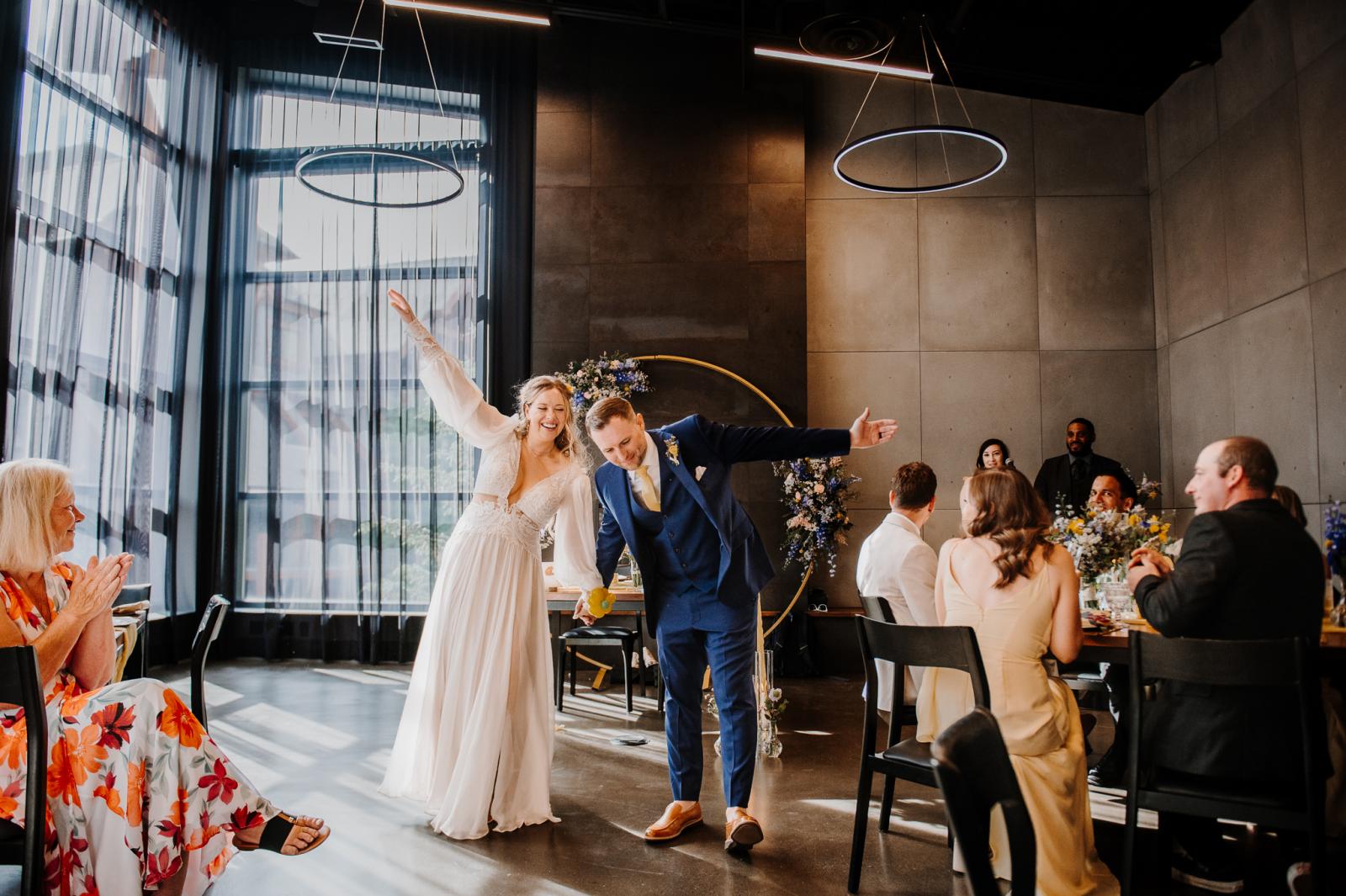
The Engagement Session as Collaboration Lab
The engagement session is the most valuable tool in the co-creation model, because it's the first time the photographer and couple work together creatively. It's a rehearsal for the wedding day — not just technically, but relationally.
During the engagement session, the couple experiences the photographer's direction for the first time. They learn how the photographer communicates, how they read light, how they create moments. And the photographer learns how the couple responds to direction, what makes them comfortable, what makes them laugh, and how they interact when they're relaxed.
The collaborative element: after the engagement session, the photographer shares the images and the couple identifies their favourites. This conversation reveals their aesthetic preferences in a way that no Pinterest board can — because they're responding to images of themselves, not images of strangers. The photographer can then calibrate their wedding-day approach based on what the couple responded to most.
The Client's Voice in the Gallery
The final stage of co-creation is the gallery delivery. In the traditional model, the photographer delivers the finished gallery and the client accepts it. In the co-creation model, the gallery is presented as the culmination of a shared process — and the couple's response is part of the experience.
Some premium photographers add a step: the gallery reveal. Instead of sending a link in an email, they present the gallery in a way that honours the significance of the images. A scheduled video call where the photographer walks the couple through the gallery, or a preview selection of twenty images sent before the full gallery, creates a moment rather than a transaction.
During this reveal, the couple's emotional response — the images they react to most, the moments they didn't expect to see, the compositions that make them cry — completes the creative loop. The photographer sees the impact of the shared vision, and the couple experiences the payoff of the collaboration.
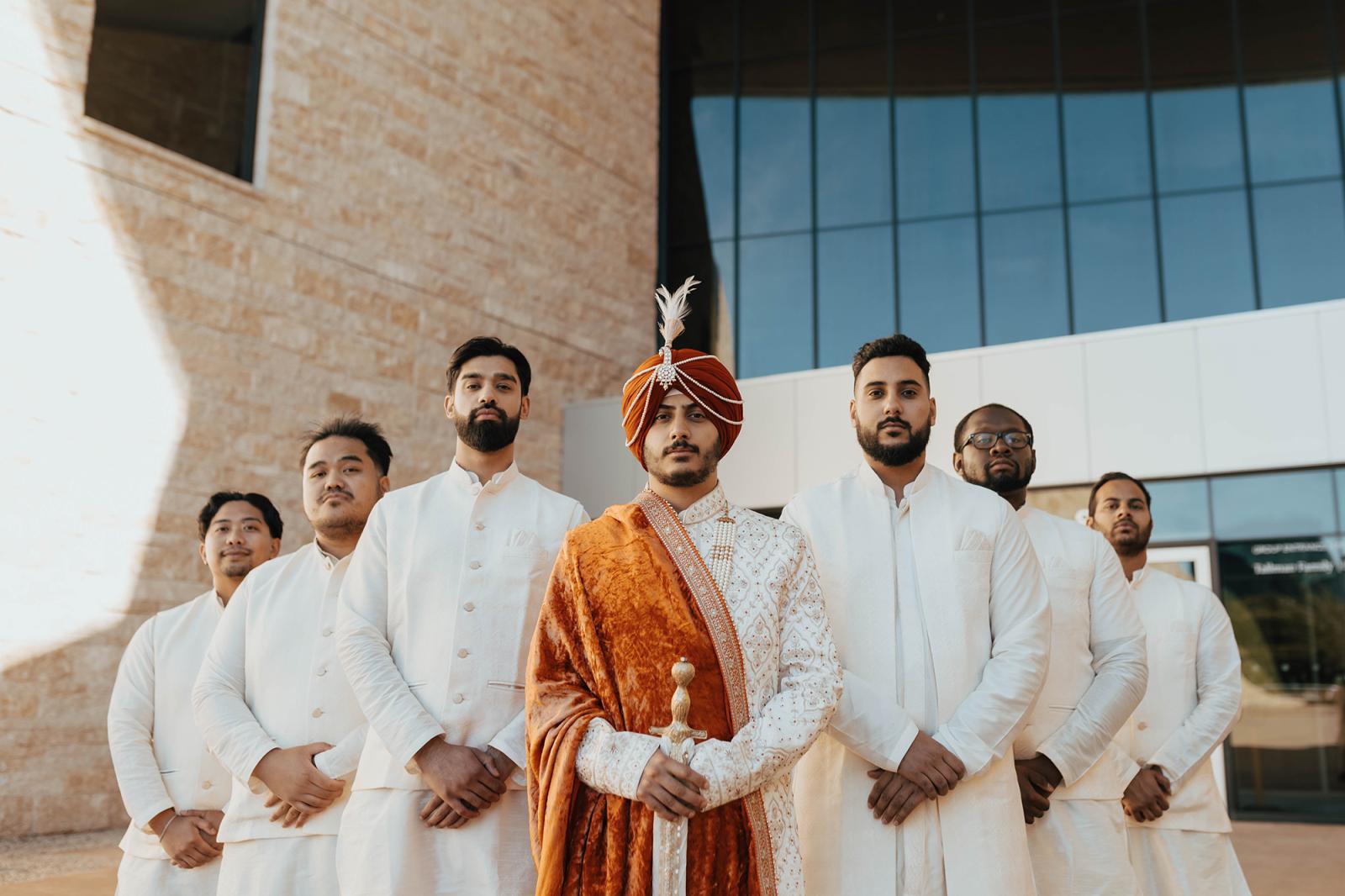
When Co-Creation Doesn't Work
Not every client wants to collaborate. Some couples want to hire a professional, trust them completely, and receive the results without participating in the creative process. That's legitimate, and the premium photographer should be able to operate in both modes.
The signal is usually clear at the consultation. Couples who ask lots of questions, share Pinterest boards, and describe their vision in detail are natural collaborators. Couples who say "we trust you completely, just do your thing" are delegators. Both can be premium clients. The photographer's skill is reading which mode each couple prefers and adjusting accordingly — without forcing collaboration on a couple who'd rather not, or withholding it from a couple who'd thrive on it.
"I'm their friend, not the enemy behind the camera." Whether the couple is a collaborator or a delegator, the relationship should feel like partnership, not performance. The co-creation model is one path to that partnership. Authentic confidence and warmth is another. The destination is the same: a couple who trusts the photographer completely and images that reflect that trust.
Continue the series
This is the fourth article in The Luxury Client Experience series. Next: Through Their Eyes: Making Your Portfolio Aspirational and Relatable at the Same Time.