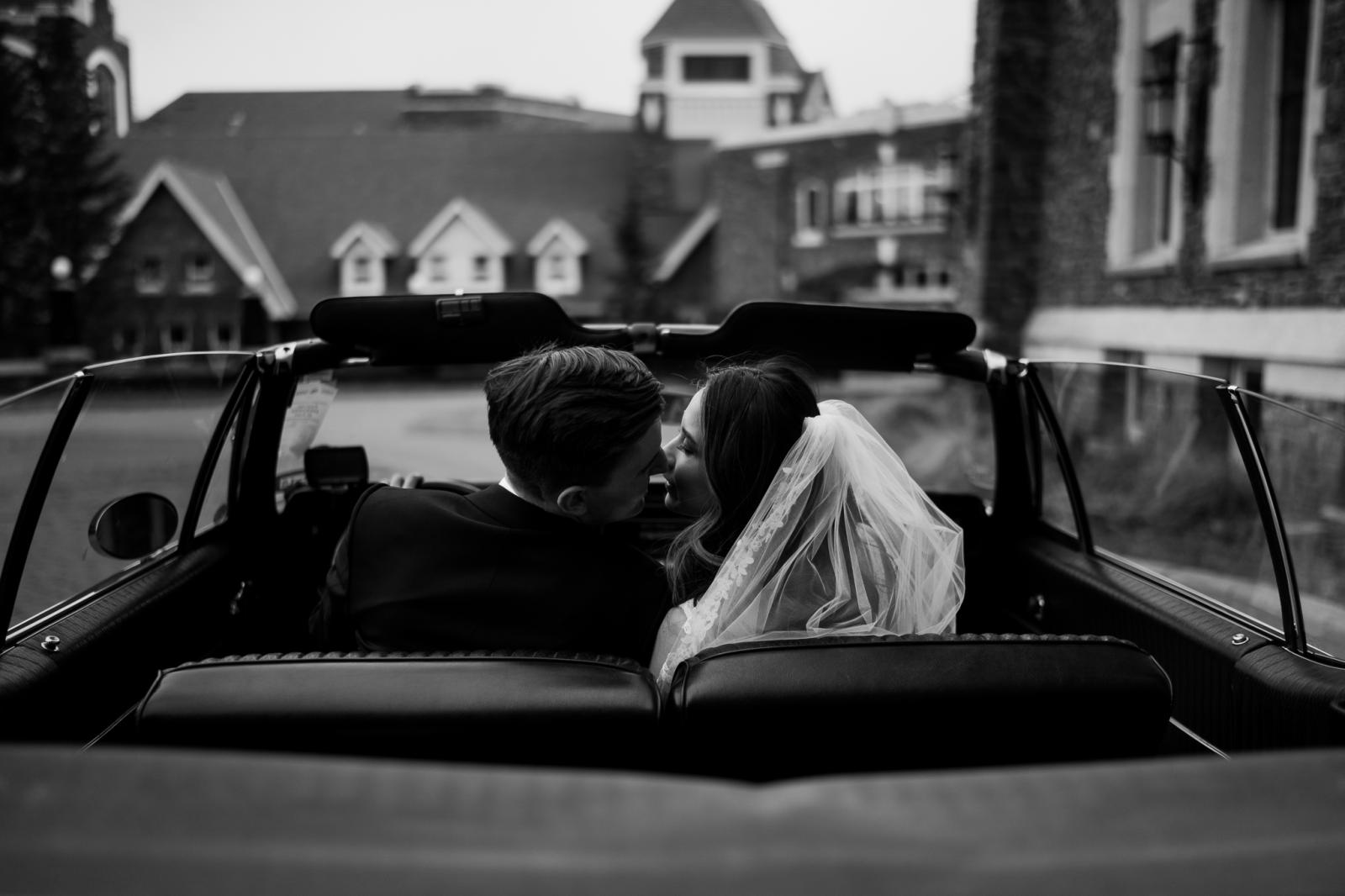
Documentary vs. Editorial: Two Philosophies, One Wedding Day
Walk into any wedding photographer's portfolio and you'll see one of two dominant approaches — or, increasingly, a deliberate blend of both. The documentary photographer observes. The editorial photographer constructs. One prioritizes truth. The other prioritizes beauty. And the conversation about which one is "better" has been going on as long as wedding photography has existed.
The honest answer is that neither is better. They're different tools for different jobs, and the most skilled wedding photographers are fluent in both. Understanding the distinction — what each approach values, what it sacrifices, and when to deploy it — is one of the most important creative decisions a photographer makes.
This is the ninth article in our Art of Wedding Photography series.
The Documentary Approach: Observation as Art
Documentary wedding photography borrows its philosophy from photojournalism. The photographer is a witness, not a director. They don't arrange subjects, stage moments, or intervene in what's happening. They observe, anticipate, and capture.
The strengths of this approach are authenticity and emotional truth. Documentary images feel real because they are real. Nobody was asked to stand there, look that way, or hold that expression. The father's tears during the vows are genuine because the photographer captured them as they happened, from across the room, without the father ever knowing the camera was there.
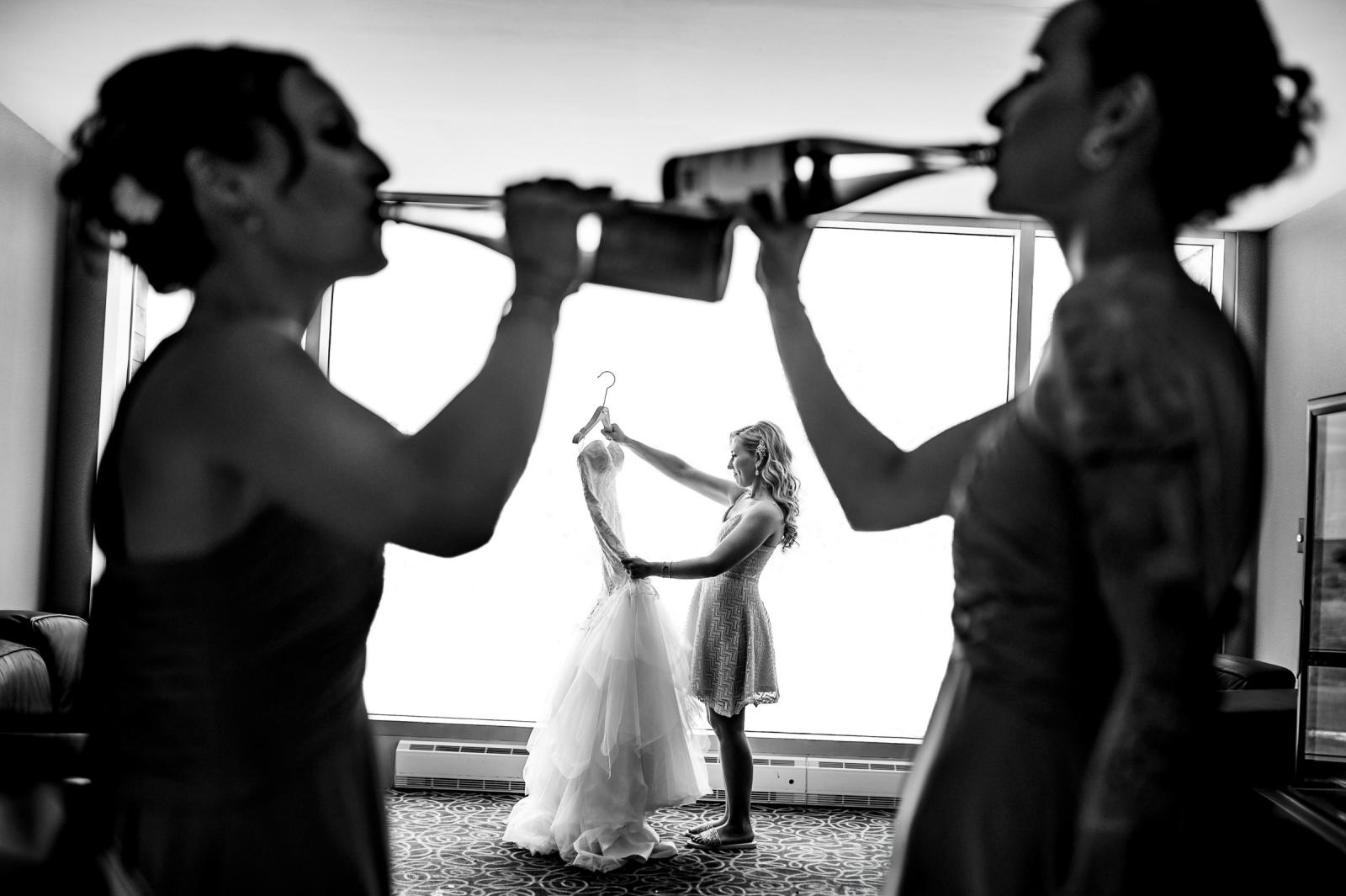
Documentary photography excels in moments of high emotion and spontaneous action. The ceremony. The speeches. The dance floor. The getting-ready chaos. These are environments where staging would be not just unnecessary but counterproductive — any intervention would destroy the thing you're trying to capture.
The discipline required is significant. A documentary photographer can't ask for a second take. They can't reposition someone who moved out of the light. They have to be in the right place at the right time, every time, and they have to accept that some moments will be technically imperfect because the conditions weren't ideal. The trade-off is worth it: the images have a vitality that constructed images can't replicate.
The Editorial Approach: Construction as Art
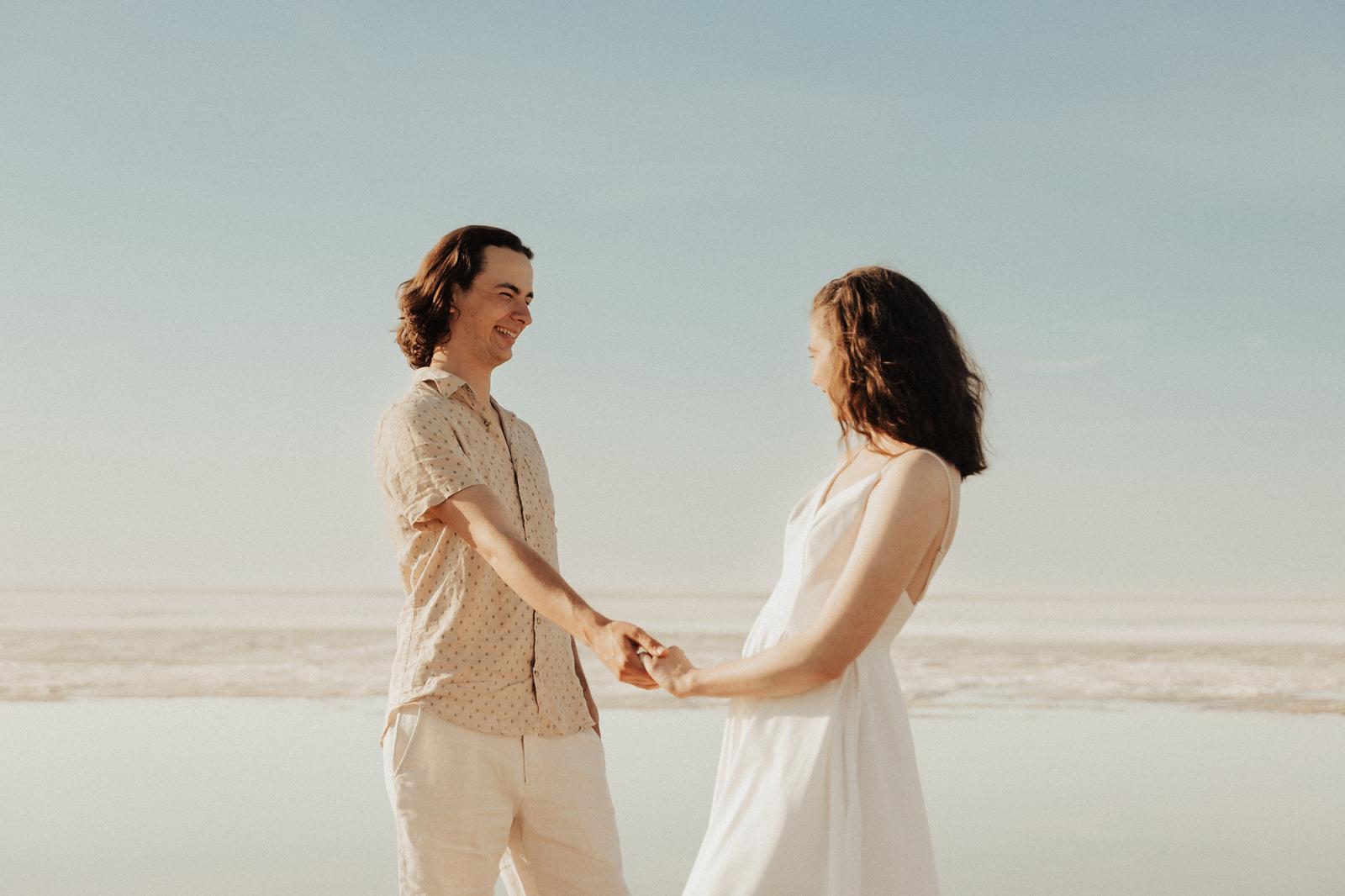
Editorial wedding photography borrows its philosophy from fashion and magazine work. The photographer is a director. They choose locations, arrange compositions, control lighting, and guide the subjects into positions that serve the visual story they're building.
The strengths of this approach are beauty, consistency, and visual impact. Editorial images are striking. The light is perfect because the photographer placed a reflector or waited for the exact moment of golden hour. The composition is balanced because the photographer chose the angle. The couple looks extraordinary because the photographer directed them into a position that flatters both of them.
Editorial photography excels in portrait sessions, detail shots, and any moment where the photographer has time to construct the image. The golden hour session. The bridal portraits. The flat-lay of the invitation suite. These are environments where construction isn't just acceptable — it's expected. The couple set aside this time specifically for the photographer to make something beautiful.
The risk of editorial work is sterility. When construction overshadows feeling, the images become more about the photographer's vision than the couple's experience. A perfectly composed, beautifully lit portrait of a couple who look uncomfortable is a failure, regardless of how technically impressive it is.
Where They Overlap
The binary is useful for understanding the spectrum, but most real wedding photography lives in the grey area between the two poles.
Consider a first look. A pure documentary approach would position you at a distance, capturing the moment as it unfolds without influence. A pure editorial approach would choose the location, position the couple precisely, control the background, and direct the reveal for maximum visual impact.
Most photographers do something in between. They choose the location (editorial decision) but then let the moment unfold naturally (documentary instinct). They might position the couple to ensure good light (editorial) but capture the genuine emotional reaction without interruption (documentary). The result is an image that's beautiful AND real — constructed in its conditions but authentic in its content.
This hybrid approach is where most of the best wedding photography happens. The photographer creates the conditions for a great image and then lets the human moment fill those conditions with something they couldn't have planned.
Choosing Your Dominant Mode
Most photographers develop a natural lean toward one end of the spectrum. Some are watchers by temperament — they're most comfortable observing, and they find intervention uncomfortable. Others are builders — they see compositions in their head and want to create them, and pure observation feels passive.
Neither lean is wrong, but knowing yours helps you understand your strengths and gaps. The natural documentary shooter needs to develop their editorial skills for the portrait session portions of the day. The natural editorial shooter needs to develop their observation instincts for the ceremony and reception, where intervention isn't appropriate.
The career trajectory for many photographers involves starting at one extreme and gradually incorporating the other. A photographer who began as a documentary purist may discover that a small amount of direction during portraits produces dramatically better results without sacrificing authenticity. A photographer who started in the editorial mode may discover that loosening control during the reception produces images with far more emotional impact than anything they could construct.
What Clients Are Actually Looking For
Most couples don't think in terms of "documentary" or "editorial." They think in terms of how they want their wedding to feel in photographs. When they say "natural and candid," they're asking for documentary-dominant work. When they say "magazine-quality" or "timeless and elegant," they're asking for editorial-dominant work. When they say "I want it to feel real but look amazing" — which is what most couples actually say — they're asking for the hybrid.
Understanding client language and translating it into a photographic approach is a skill in itself. The photographer who can look at a couple's Pinterest board and recognize whether they're drawn to documentary or editorial images — and then deliver accordingly — is providing a level of service that goes beyond technical competence.
The CWP member directory allows couples to browse photographers by style, and many CWP members identify their approach in their profiles. For couples, this self-identification is one of the most useful filters in choosing a photographer whose vision matches their own.
The Case for Fluency in Both
The strongest argument for developing both skillsets is simple: a wedding requires both. The ceremony demands documentary instincts. The portrait session benefits from editorial construction. The reception starts editorial (first dance, cake cutting — these are partially staged events) and ends documentary (the late-night dance floor is pure observation territory).
A photographer who can only work in one mode will deliver a gallery that's strong in some sections and weak in others. A photographer who's fluent in both delivers a gallery that's strong throughout, because they're using the right tool for each moment.
This fluency takes time to develop. It requires comfort with both observation and control, with both spontaneity and planning, with both the messy, grain-heavy emotion of a candid moment and the clean, deliberate beauty of a constructed portrait. But it's the fluency that separates the professional from the enthusiast, and it's what the Canadian Wedding Photography Awards recognize across categories — the Photojournalism category honours documentary mastery, while the Couple and Still Life categories honour editorial construction.
Both philosophies. One wedding day. The best photographers speak both languages.
Continue the series
This is the ninth article in The Art of Wedding Photography series. Next: Shooting the Room: How to Photograph Ceremonies, Receptions, and Everything Between.