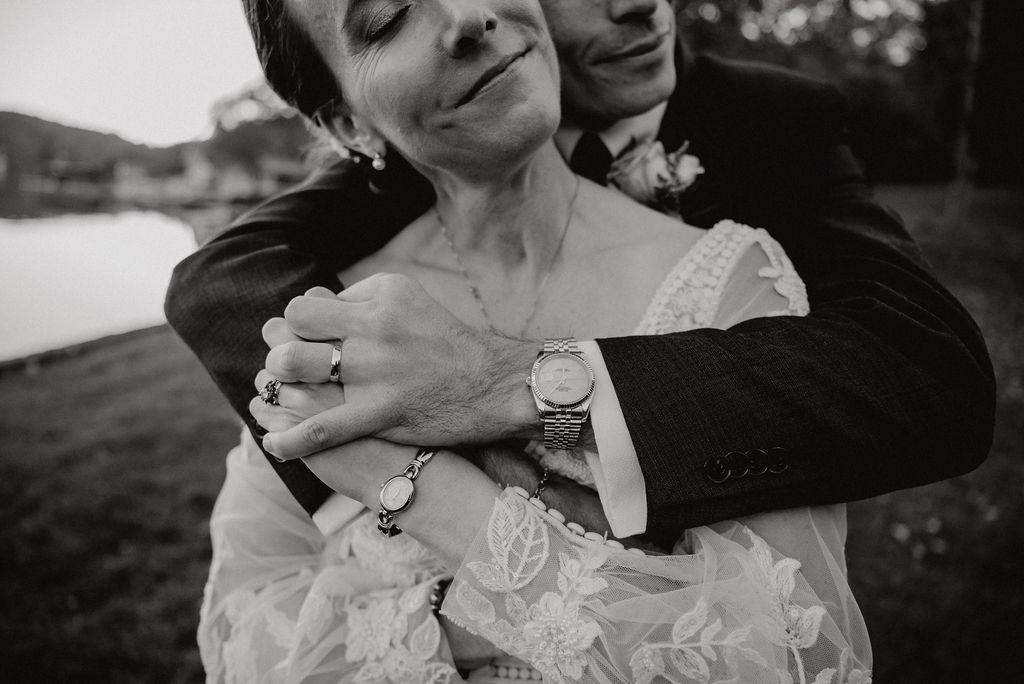
Customizing the Experience: Why One-Size Packages Don't Work at the Premium Level
"Every client is unique — and that's your greatest opportunity."
The three-tier package model has been the default in wedding photography for decades. Package A: six hours, one photographer. Package B: eight hours, two photographers, engagement session. Package C: ten hours, two photographers, engagement session, album. The names change — Silver, Gold, Platinum; Essential, Classic, Luxe — but the structure is the same: three fixed bundles at three price points, and the couple picks the one that's closest to what they want.
This model works well for the mid-range market. It simplifies the decision, reduces the negotiation, and gives the photographer operational predictability. For most couples, one of the three options is close enough.
But premium clients aren't looking for close enough. They're looking for exactly right. And "exactly right" is different for every couple, which means the fixed package model — by definition — can't deliver it.
The premium alternative is customization: building each couple's photography experience around their specific wedding, their specific priorities, and their specific vision. Not infinite flexibility with no structure. Not à la carte pricing where every element is negotiated separately. A guided customization process that feels bespoke to the client and manageable for the photographer.
This is the sixth article in our Luxury Client Experience series.
Why Fixed Packages Fail at the Premium Level
The premium couple planning a three-day destination wedding with fifty guests doesn't fit into the same package as the premium couple planning a four-hour city hall ceremony with their parents. Both are premium clients. Both are willing to invest significantly in photography. But their needs are so different that any fixed package designed for one will feel wrong for the other.
Fixed packages also create an uncomfortable dynamic in the premium consultation. Instead of discussing the couple's vision and building a plan around it, the conversation becomes a menu selection. The photographer presents options. The couple evaluates them. The interaction feels commercial rather than creative — which contradicts the co-creation model that premium relationships thrive on.
The worst outcome is the couple who wants something between Package B and Package C. They want the album from C but don't need the extra coverage hours. The photographer either says "I can do that for this price" (creating an ad-hoc custom package on the spot, which feels unprofessional) or says "these are the options" (creating a take-it-or-leave-it dynamic that premium clients resist).
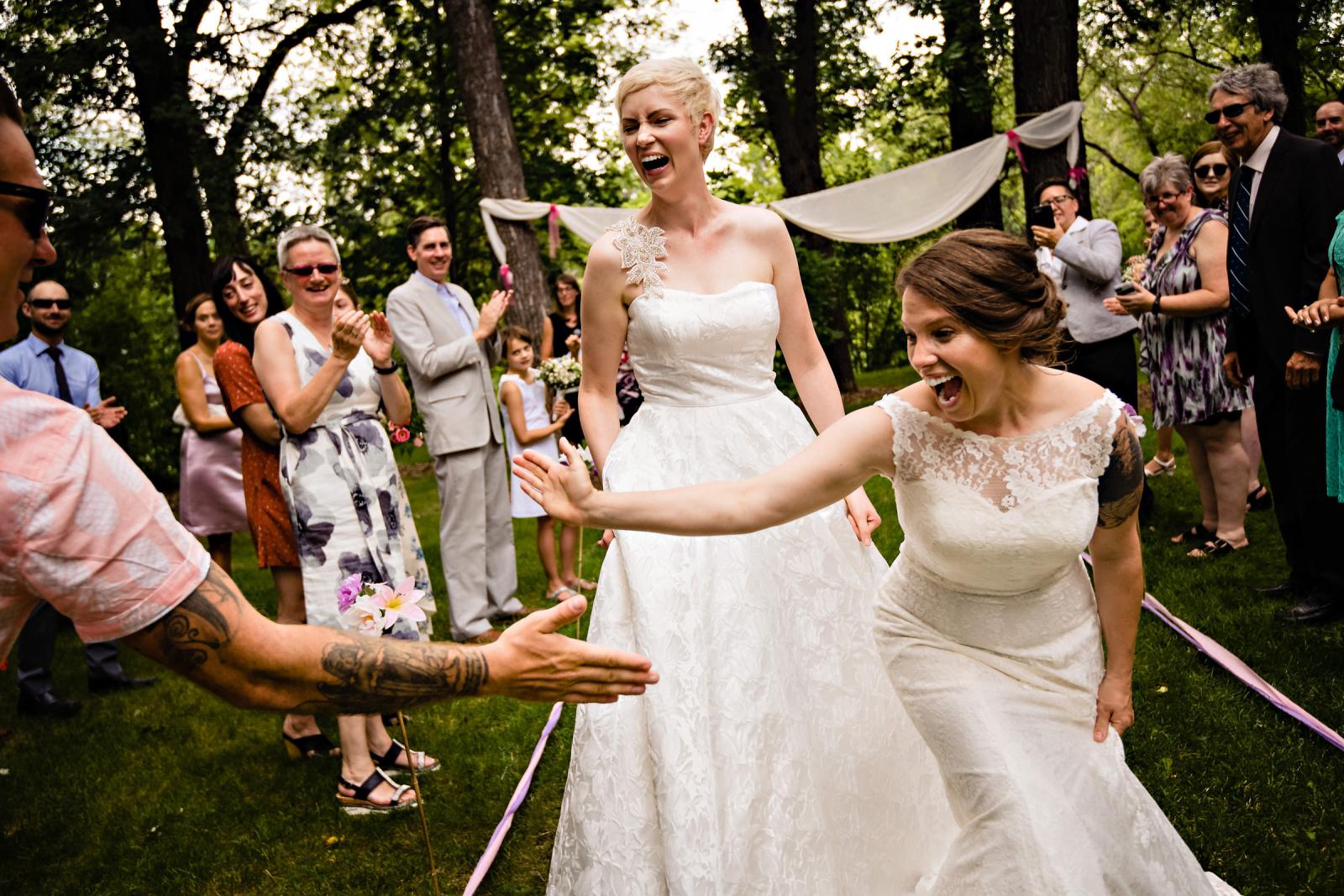
The Customization Framework
The solution isn't to eliminate structure. It's to build a framework that guides the customization process while maintaining pricing integrity and operational sustainability.
Start with a base. Every wedding booking includes a baseline: a minimum number of coverage hours, one photographer, professional editing, and an online gallery. This baseline has a price. It's the starting point, not one of several options.
Add layers based on the couple's priorities. Additional coverage hours. A second photographer. An engagement session. Album design and production. Day-after or bridal portraits. Each of these additions has a defined price, but they're presented as enhancements to the base, not as package tiers. The couple adds what matters to them and skips what doesn't.
Discuss before presenting. The pricing conversation should follow the vision conversation, not precede it. Once the photographer understands the couple's wedding — the timeline, the scale, the priorities, the emotional emphasis — they can present a recommendation that's tailored to those specifics. "Based on everything you've described, here's what I'd recommend and why" is fundamentally different from "here are your three options."
Present the recommendation as a proposal, not a quote. The language matters. A quote lists services and prices. A proposal describes an experience. The proposal connects each element to the couple's specific needs: "Given that your ceremony and reception are at different venues, I'd recommend an additional hour of coverage to ensure we have time for the transition and don't feel rushed during portraits."
Pricing Integrity in a Custom Model
The concern with customization is pricing consistency — the worry that every couple will negotiate a different deal, creating an unsustainable patchwork of pricing.
The solution is standardized components with customized assembly. Each component (coverage hour, second photographer, album, engagement session) has a fixed price. The customization is in which components the couple selects, not in the price of each component. This gives the couple genuine flexibility while maintaining the photographer's pricing structure.
Transparency about component pricing also prevents the awkward negotiation dynamic. When the couple can see that each additional hour costs X and an album costs Y, the conversation shifts from "can you do a deal?" to "which elements matter most to us?" The photographer isn't negotiating — they're advising.
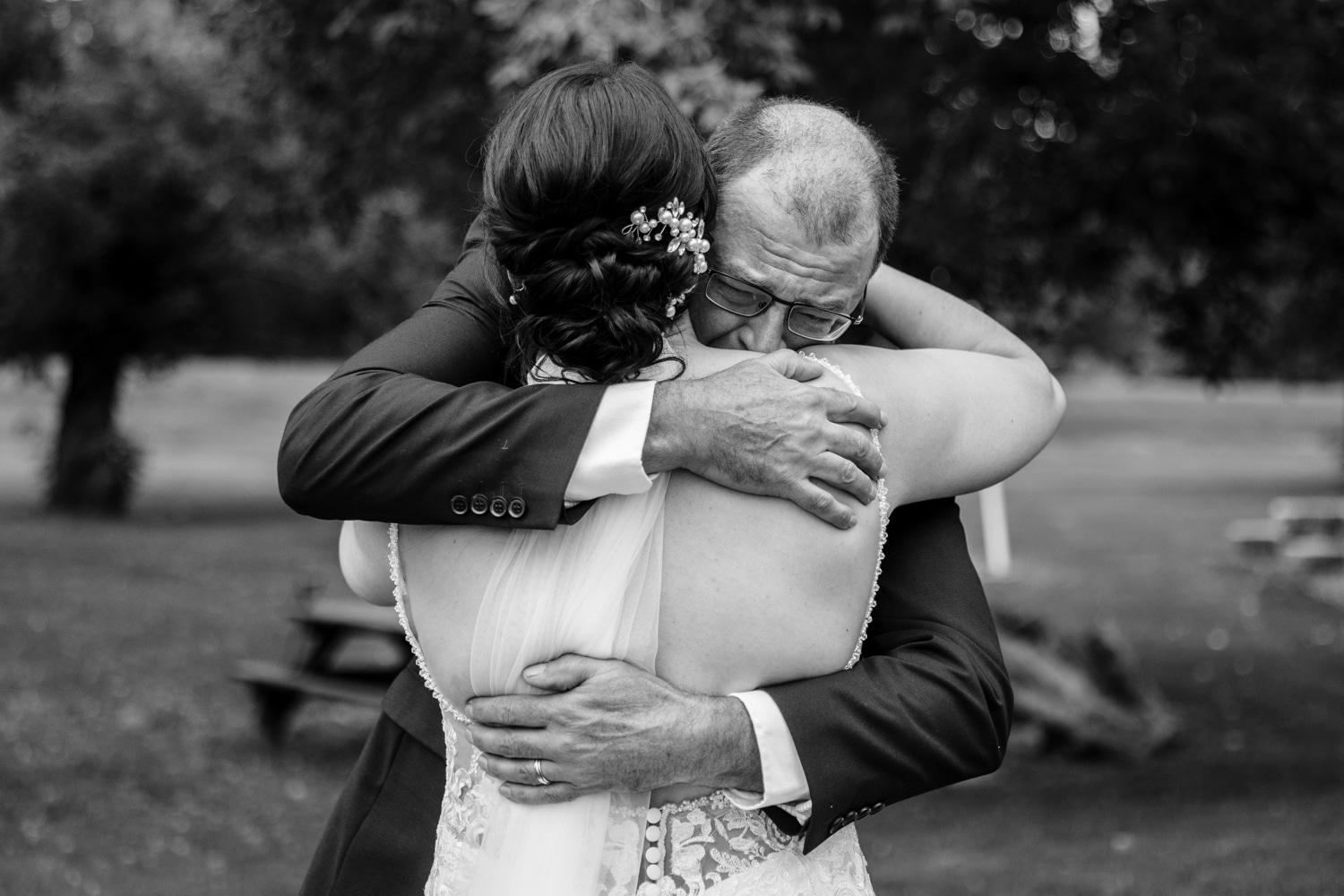
The Consultation Flow
The customization model changes the consultation from a presentation to a conversation.
The photographer opens by learning about the couple's wedding: logistics, priorities, vision. This is the discovery phase, and it should comprise the majority of the consultation time.
Based on what they've learned, the photographer presents a recommended configuration. Not options — a recommendation. "For your wedding, I'd suggest..." This positions the photographer as an advisor making a professional judgment call, not a salesperson offering a menu.
The couple responds. They might want everything recommended. They might want to adjust — add the album but skip the engagement session, or extend coverage but reduce the second photographer's hours. The photographer adjusts the configuration and the price follows mathematically.
The couple leaves the consultation with a proposal that was built for them — that reflects their priorities, their wedding, and their budget. They didn't pick Package B. They co-designed an experience.
Managing Operational Complexity
Customization adds operational complexity that the photographer needs to manage deliberately.
Each booking needs clear documentation of exactly what's included. The proposal should specify every element: hours, photographers, sessions, deliverables, timeline. This documentation becomes the contract addendum and the reference point for the entire production process.
The photographer also needs to understand their own capacity constraints. A fully customized model where every wedding has a different scope makes workload planning harder than a fixed-package model. The solution is to set minimum and maximum parameters: a minimum booking value below which the customization effort isn't worthwhile, and a maximum scope beyond which the photographer's capacity is exceeded.
These parameters aren't communicated to the couple. They're internal guidelines that keep the customization framework sustainable.

The Premium Client's Perspective
From the premium client's perspective, the customization experience communicates something essential: this photographer sees me as an individual, not as a slot in a calendar.
The couple who co-designs their photography experience feels invested in it. They understand what's included and why. They chose each element deliberately. When the wedding day arrives, they're not wondering whether they bought enough coverage or whether they should have added the engagement session. They built the plan with the photographer, and they're confident in it.
This confidence reduces the post-booking anxiety that erodes client satisfaction. It reduces the scope-creep conversations that strain photographer-client relationships. And it creates the kind of client who, when asked by a friend for a photographer recommendation, doesn't just say "they were great" — they say "the whole experience was incredible, starting with the way they built our package around exactly what we needed."
That's the recommendation that books premium weddings. Not a review of the images. A review of the experience.
Continue the series
This is the sixth article in The Luxury Client Experience series. Next: The Pre-Wedding Experience: Engagement Sessions, Planning Calls, and Building Trust Before the Big Day.