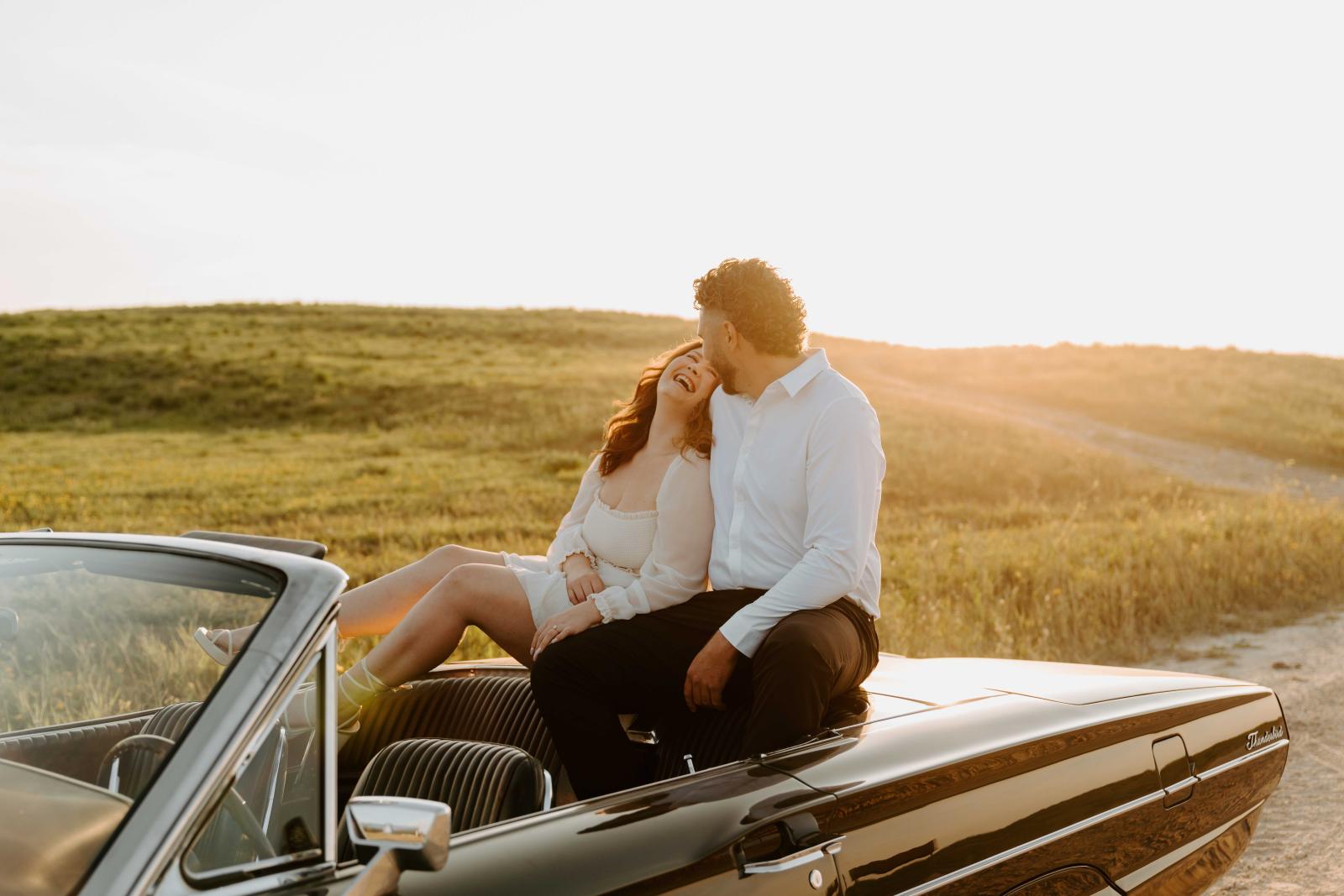
The Pre-Wedding Experience: Engagement Sessions, Planning Calls, and Building Trust Before the Big Day
The wedding day is a performance. Not in the theatrical sense — in the musical sense. The photographer needs to be technically prepared, creatively sharp, and emotionally attuned to a fast-moving, high-stakes, unrepeatable event. And like any performance, the quality is largely determined by what happens during the rehearsal period.
The pre-wedding experience — the engagement session, the planning calls, the venue walk-throughs, the casual check-ins — is that rehearsal period. It's where the photographer and couple build the relationship that produces trust, and trust is the single most important ingredient in wedding photography. A couple who trusts their photographer relaxes in front of the camera. They follow creative direction. They let their guard down during the moments that matter most. And the images reflect it.
A photographer who treats the pre-wedding months as administrative — contract signed, deposit received, see you at the wedding — is skipping the rehearsal and hoping the performance goes well. Sometimes it does. But the photographer who invests in the pre-wedding relationship stacks the odds dramatically in their favour.
This is the seventh article in our Luxury Client Experience series.
The Engagement Session as Foundation
The engagement session is the single most valuable pre-wedding touchpoint, and it should be positioned as essential rather than optional in a premium photography experience.
Its purpose isn't to produce pretty images of the couple in a park — though that's a nice byproduct. Its purpose is to establish the creative dynamic that will operate on the wedding day. During the engagement session, the couple learns how the photographer directs, communicates, and creates. The photographer learns how the couple responds to direction, how they interact with each other, what makes them laugh, what makes them uncomfortable, and how they look in different light.
This mutual learning is irreplaceable. A photographer who arrives at a wedding having never worked with the couple is starting from zero: no established rapport, no understanding of the couple's comfort level, no calibration of creative approach. A photographer who's already completed an engagement session arrives with all of this pre-built. The first portrait on the wedding day feels like a continuation, not a cold start.
The engagement session also builds confidence. Couples who've never been professionally photographed are often nervous about the wedding day portraits. The engagement session demystifies the process. They've done it once. They know what to expect. They know the photographer is going to direct them without making them feel awkward. That confidence translates directly into better images on the wedding day.
The Planning Call
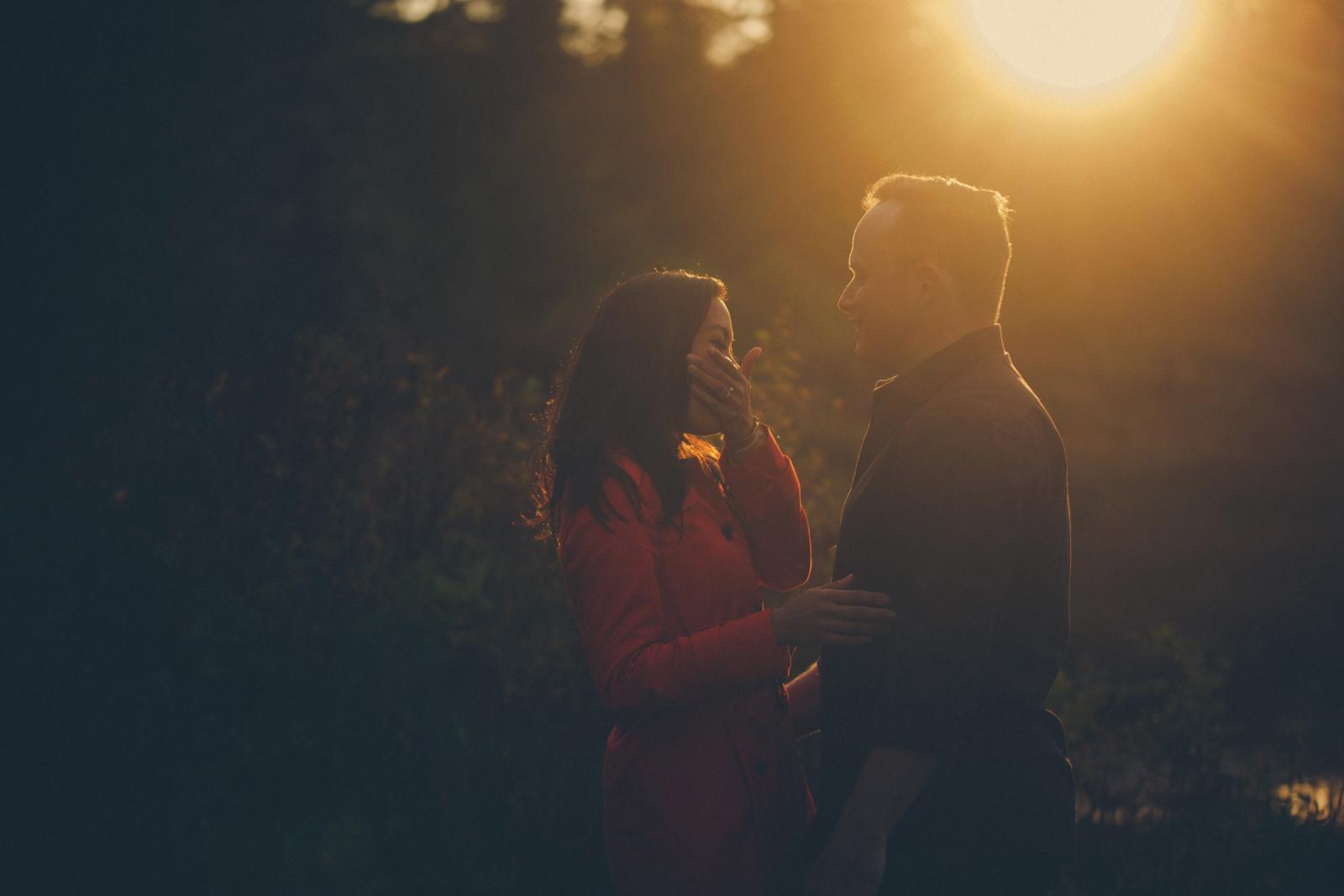
Six to eight weeks before the wedding, a dedicated planning call is worth more than any email exchange. This is the conversation where logistics and creativity converge.
The planning call covers the practical details: timeline review, location specifics, family dynamics that the photographer should be aware of, vendor contacts, and any logistical constraints. But more importantly, it's where the photographer and couple revisit the creative vision established during the initial consultation and refine it based on everything that's been finalized since.
The venue is now confirmed — what does the photographer know about the light there? The timeline has crystallized — where are the portrait windows, and how does the photographer plan to use them? The couple's priorities may have shifted during planning — are there moments or details they're now more focused on than they were six months ago?
This call also surfaces anxieties. The couple who's been worried about family group photos for six months but hasn't mentioned it. The bride who's nervous about rain. The groom who hates having his photo taken. These anxieties are manageable if they're voiced in advance. They become problems if they surface for the first time on the wedding day.
The Venue Walk-Through
For a premium photographer, the venue walk-through is a non-negotiable investment — not a luxury but a baseline expectation. Arriving at a venue cold on the wedding day, without having scouted it in person, is a creative liability.
The walk-through serves practical purposes: identifying the best light at different times of day, planning portrait locations and ceremony angles, noting logistical constraints (where can the photographer move during the ceremony, where are the power outlets for charging, where's the best vantage point for the first dance).
But it also serves the relationship. Inviting the couple to join the walk-through — or sharing photos and ideas from a solo scout — demonstrates an investment of time and attention that the couple notices. The photographer who's already thinking about their specific wedding at their specific venue, weeks before the day arrives, is providing an experience that the photographer who shows up and figures it out on the day simply isn't.
Between-Touchpoint Communication
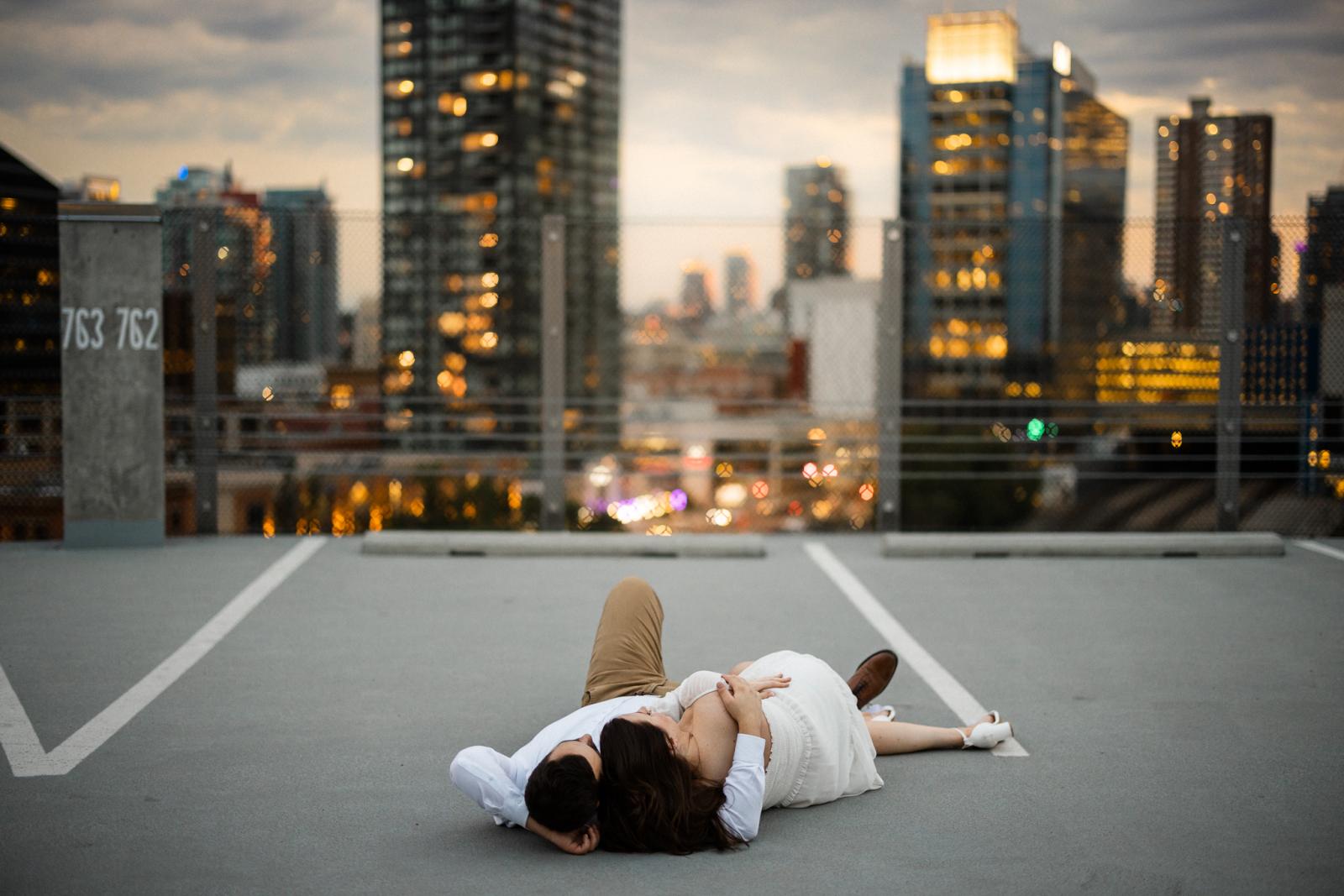
The pre-wedding experience isn't defined only by the scheduled events (engagement session, planning call, walk-through). It's also defined by the communication between them.
A quick message after reading about the couple's venue in a magazine. A link to a recent wedding at a similar location. A note acknowledging an anniversary or milestone the couple mentioned. These between-touchpoint communications are small investments of time — five minutes each — that maintain the relationship's momentum across the months between booking and wedding day.
The frequency should be calibrated to the couple's communication style. Some couples love regular updates and creative check-ins. Others prefer minimal contact until the planning call. Reading the couple's preference and matching it is itself part of the luxury experience — the sense that the photographer is attuned to them as individuals, not running them through a standardized communication sequence.
The Trust That Produces Great Images
The culmination of the pre-wedding investment is a specific quality on the wedding day: ease. The couple is at ease with the photographer because they know them. The photographer is at ease with the couple because they understand them. And that mutual ease produces images that neither party could achieve without it.
"If you can't get the guard down, there's no trust." The pre-wedding experience is the process of getting the guard down — gradually, through repeated positive interactions, through demonstrated care and competence, through the accumulation of small moments that build confidence.
The guard-down couple is the couple who forgets the camera during their first look. Who laughs freely during portraits. Who cries during the vows without worrying about how it looks. Who dances without self-consciousness. Every one of these moments produces better images, and every one of them is more likely when the couple trusts the person behind the camera.
That trust doesn't happen on the wedding day. It's built in the months before. The pre-wedding experience isn't preparation for the photography. It is the photography — the invisible foundation that everything visible is built on.
Continue the series
This is the seventh article in The Luxury Client Experience series. Next: Day-Of Presence: How the Best Photographers Make Couples Forget There's a Camera in the Room.