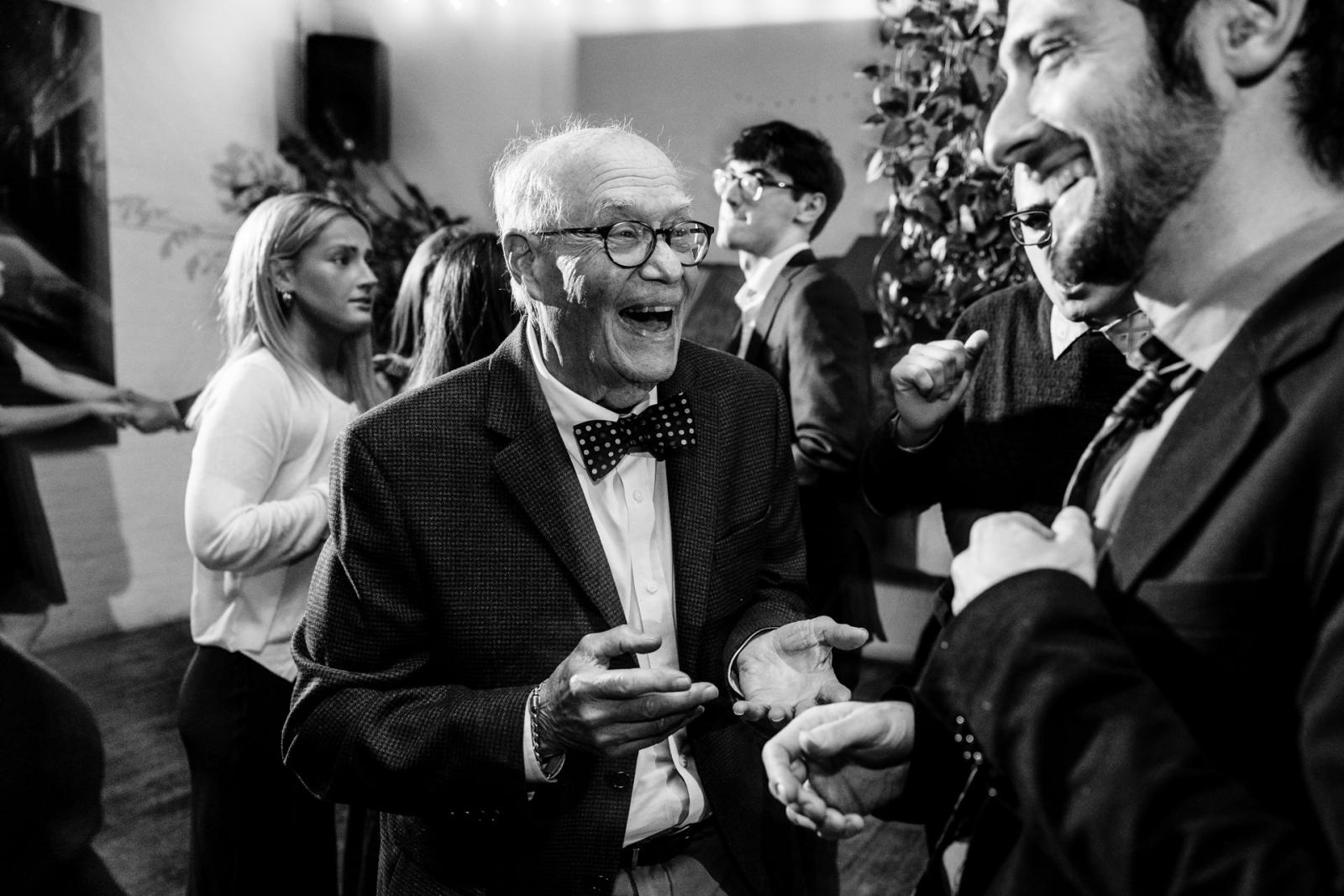
Day-Of Presence: How the Best Photographers Make Couples Forget There's a Camera in the Room
Everything in this series — the branding, the consultation, the customization, the pre-wedding relationship — leads to this: the wedding day. And on the wedding day, the photographer's most important tool isn't the camera. It's their presence.
Presence is how the photographer occupies space. How they move through a room without disrupting it. How they direct without commanding. How they manage their own energy so that it adds to the day rather than drawing from it. How they make the couple feel, in their most significant and most vulnerable moments, that the photographer is a trusted companion rather than an observer with a job to do.
"I'm their friend, not the enemy behind the camera."
This quality — this specific way of being present — is invisible in a portfolio. You can't see it in an Instagram feed. But couples feel it immediately, and it's one of the primary reasons premium clients choose one photographer over another who might have an equally strong portfolio. The images are the deliverable. The presence is the experience.
This is the eighth article in our Luxury Client Experience series.
The Energy You Bring
A photographer arrives at a wedding carrying energy. Nervous energy, confident energy, frantic energy, calm energy — whatever state the photographer is in, the couple and the people around them absorb it. This energy transfer is constant and largely unconscious. The couple doesn't decide to feel anxious because the photographer seems stressed. They just do.
The premium photographer understands this and manages their energy deliberately. They arrive early — not just for logistical preparation, but for emotional preparation. They take the time to ground themselves before the day begins. They've already handled the logistical details (gear check, timeline review, location scouting) so that when the couple sees them for the first time, there's no visible stress, no rushing, no sense that the photographer is still figuring things out.
The first interaction sets the tone. A calm greeting. A genuine compliment. A brief, confident review of the day's plan. The couple's takeaway from this first moment should be: "our photographer is here, they're ready, and everything is under control." That impression allows the couple to release whatever anxiety they're carrying about the photography and focus on their wedding.
Moving Through Spaces
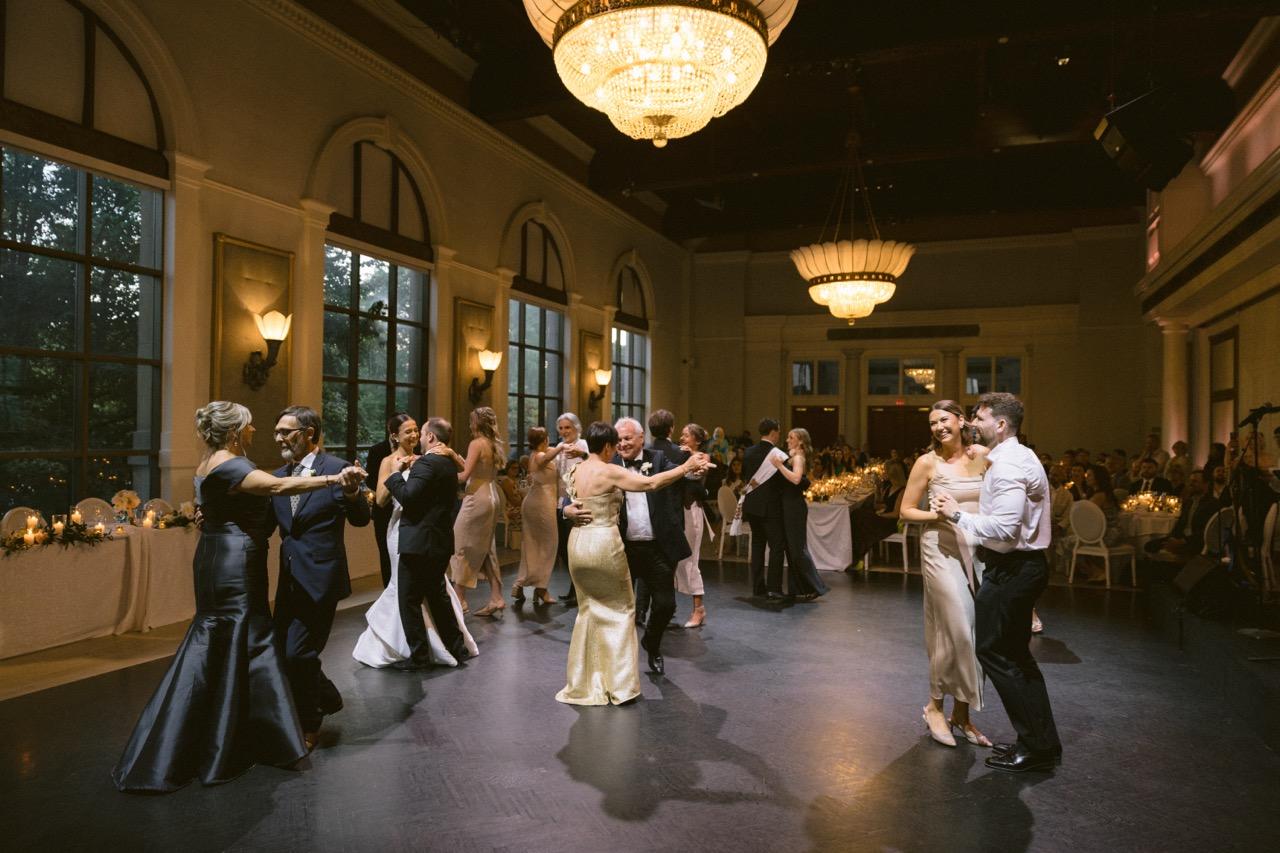
The way a photographer moves through a wedding tells everyone present — couple, guests, vendors — how to feel about the photographer's presence.
A photographer who moves confidently and quietly through spaces communicates professionalism. They know where to be. They arrive at positions before the moments happen, not after. They transition between rooms and events without creating disturbance. Guests barely notice them, which is exactly right — the photographer's movement should be invisible to everyone except the couple, who feels their presence as reassuring rather than intrusive.
The physical mechanics matter. Shoes that don't click on hard floors. A camera bag that's organized for silent access. Lenses changed during transitions, not during moments. Movement that's deliberate rather than reactive — the photographer isn't chasing moments, they're anticipating them, positioning in advance because they've read the room and know what's coming.
During the ceremony, this discipline is critical. The photographer's movement — or stillness — is noticed by the couple, the officiant, and the guests. A photographer who shifts positions frequently, who walks up the aisle during vows, who audibly adjusts equipment during a prayer, breaks the spell of the ceremony. A photographer who finds their position, stays there, and captures the moment without contributing to the awareness that a camera is present — that's premium presence.
Direction as Encouragement
On the wedding day, the photographer's direction should feel like encouragement, not instruction. This is especially true during portraits, where the couple is most aware of the camera and most vulnerable to self-consciousness.
The language of direction matters. "Stand there" is an instruction. "Come over here — the light is incredible, you're going to love this" is an encouragement. "Look at each other" is a command. "Tell her the thing you said this morning that made her laugh" is an invitation. The first version creates compliance. The second creates connection.
The premium photographer has already established this dynamic during the engagement session and the pre-wedding relationship. The couple knows the photographer's direction style. They know it's going to feel natural. They trust it. This trust means the direction happens faster, the transitions between setups are smoother, and the resulting images have an ease that directed portraits often lack.
The best portrait sessions don't feel like portrait sessions to the couple. They feel like a few minutes of walking together in a beautiful place while someone they trust happens to be making images. That feeling — that absence of self-consciousness — is what produces the portraits that premium clients value most.
Managing the Unexpected
Every wedding produces unexpected moments: timeline shifts, weather changes, vendor complications, family dynamics, technical challenges. The photographer's response to these moments is a defining feature of their day-of presence.
The premium photographer manages problems without involving the couple. If the timeline shifts, they adjust their plan and communicate it to the planner, not to the couple. If the weather changes, they have a contingency ready before the couple needs to ask. If a vendor isn't cooperating, they handle it directly and professionally, without creating a scene.
The couple's experience of the day should be that everything went smoothly. If problems were solved behind the scenes, the couple doesn't need to know. The only evidence of problem-solving should be beautiful images that were produced despite conditions the couple never realized were challenging.
"Every time I go into a shoot thinking I'm going to try this, it derails everything." The photographer who's prepared for disaster handles the unexpected without visible stress. That calm, adaptable response is itself a luxury service — the assurance that whatever happens, the photographer has it covered.
The Emotional Attunement
The subtlest dimension of day-of presence is emotional attunement — the photographer's ability to read the couple's emotional state and respond appropriately.
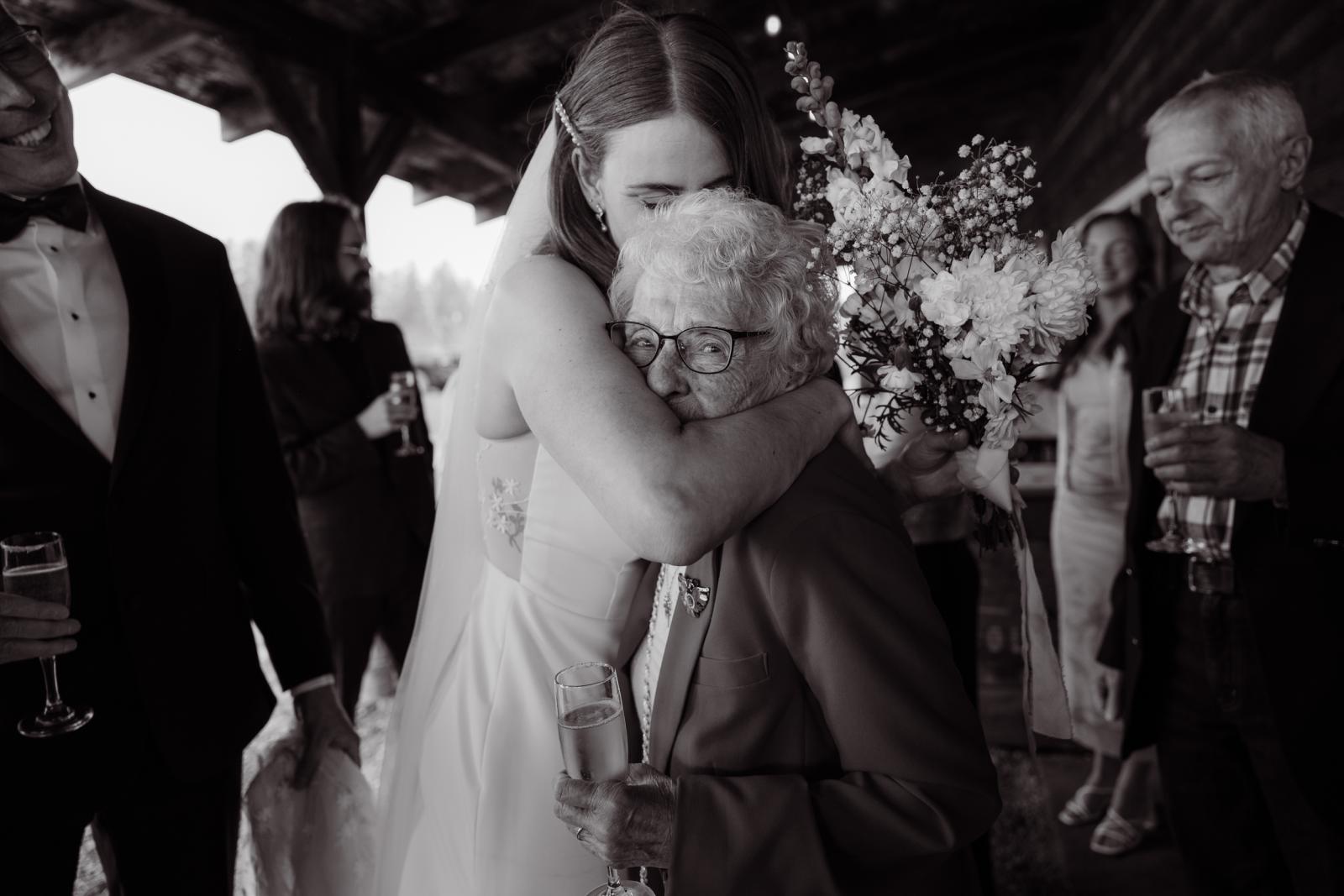
A couple who's overwhelmed during getting-ready needs a photographer who provides calm, steady presence without adding to the stimulation. A couple who's giddy and energetic during the first look needs a photographer who matches their energy and feeds it. A couple who becomes unexpectedly emotional during the toasts needs a photographer who captures the moment from a respectful distance, without making the couple feel observed during a vulnerable moment.
This attunement can't be faked. It requires genuine empathy — the ability to feel what the couple is feeling and adjust accordingly. It's a skill that develops over years of working with people in high-emotional-stakes situations, and it's one of the things that separates the premium photographer from the merely competent one.
"I'm looking for energy and vibes and emotion." The photographer who's attuned to the emotional register of each moment is the photographer who captures the images that make couples cry when they see their gallery. Not because the images are technically perfect, but because they feel exactly right — because the photographer was present in exactly the right way at exactly the right moment.
The Farewell
How the photographer leaves the wedding is the last impression the couple carries until they receive their gallery. A gracious, warm farewell — a genuine expression of how much the day meant, a brief mention of a moment that was particularly special, a reassurance about what happens next — closes the day-of experience with the same care that opened it.
The premium photographer doesn't slip away unnoticed. They find the couple, even briefly, and close the loop. "Today was extraordinary — I can't wait for you to see these images. I'll be in touch this week about what to expect." Thirty seconds. A handshake or a hug. A final moment of connection before the photographer becomes the editor, and the couple becomes the audience for the story that was created together.
Continue the series
This is the eighth article in The Luxury Client Experience series. Next: The Delivery Experience: Galleries, Albums, and the Art of the Reveal.